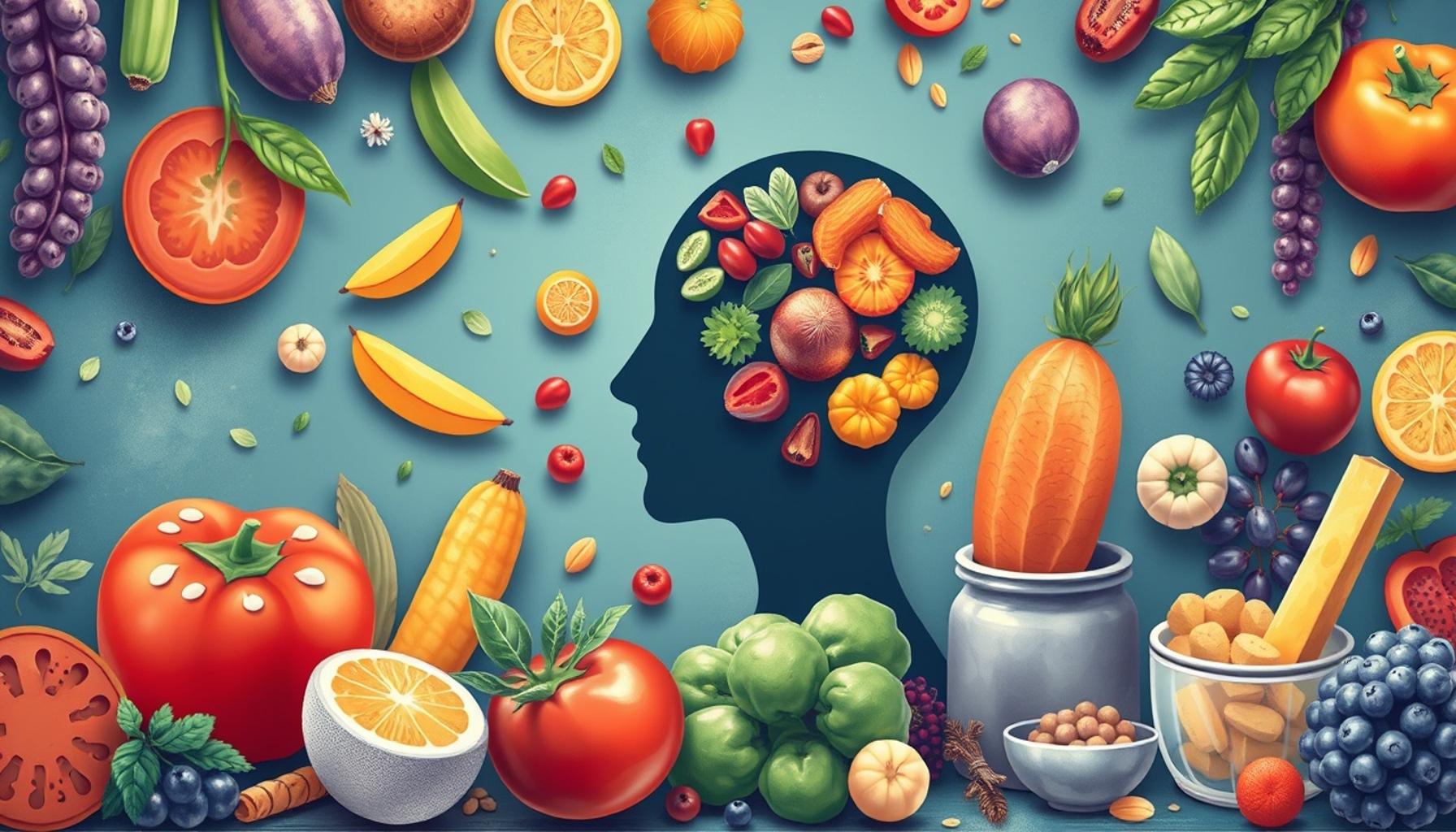
Meal Planning Strategies to Optimize Nutrition in Daily Life

Understanding Meal Planning
In an era where fast food and convenience meals dominate dining choices, meal planning emerges as a beacon for those wishing to reclaim their health and eating habits. The art of meal planning involves curating what you eat in advance, which not only fosters healthier food choices but also cultivates a sense of control over your diet. For many, embracing meal planning can be the first step towards a nutritionally enriched lifestyle.
Health Benefits of Meal Planning
One of the most significant advantages of effective meal planning is improved health. By selecting a variety of nutrient-dense foods, you ensure your meals are rich in essential vitamins and minerals. For instance, incorporating foods such as leafy greens, nuts, whole grains, and legumes can enhance your energy levels and promote overall well-being. Research shows that a diet rich in fruits and vegetables can lower the risk of chronic diseases, including cardiovascular issues and diabetes.
Furthermore, planning meals can lead to better food choices. When you take the time to plan, you’re less likely to rely on processed, high-sugar snacks purchased on a whim. Instead, you might prepare snacks like carrot sticks with hummus or Greek yogurt with berries, both of which are not only healthy but delicious.
Saving Time and Money
Additionally, the allure of meal planning lies in its time-saving capabilities. Imagine spending just a couple of hours each week prepping your meals, which can significantly cut down on daily kitchen time. By batch cooking staples like rice or quinoa, roasting vegetables in a single session, or marinating proteins, you’ll streamline weekday cooking. This strategy allows for quick assembly of meals, ensuring that after a long day, preparing dinner doesn’t feel like an insurmountable chore.
Meal planning is also budget-friendly, as it minimizes food waste and unnecessary purchases. Keeping a well-organized shopping list and sticking to it helps you avoid those impulse buys at the grocery store. Moreover, buying in bulk, particularly for pantry staples, often leads to substantial savings over time. For example, purchasing a sack of quinoa and freezing portions of fresh vegetables can stretch your dollar while providing the nutrients your body craves.
Essential Tools and Resources
To maximize your meal-planning experience, consider using a combination of tools. Meal prep containers are invaluable for easy storage and portion control. Many people find that digital meal-planning apps simplify the process even further, offering features such as recipe suggestions, shopping lists, and nutritional tracking, which can keep you on the path to healthy eating.
Becoming familiar with nutritional guidelines is also key. For example, a balanced plate typically consists of half fruits and vegetables, one-quarter whole grains, and one-quarter protein. Understanding these components will empower you to build meals that not only satisfy hunger but also fulfill your dietary needs.
Maintaining Meal Variety
Lastly, to avoid the monotony of repetitive meals, it is crucial to maintain variety in your meal planning. Experiment with different cuisines or try a new ingredient each week. For example, if you typically prepare chicken breast, consider swapping it out for lentils or tofu for a plant-based option. This not only keeps your palate engaged but also introduces a wider array of nutrients into your diet.
Implementing structured meal planning can certainly lead to a transformation in how you approach nutrition. By embracing these strategies, you’ll find that managing your diet becomes not only easier but also a rewarding part of your lifestyle.
Effective Meal Planning Techniques
Meal planning might seem like a daunting task, but it can be broken down into manageable strategies that cater to your individual lifestyle and dietary preferences. To truly optimize nutrition in daily life, the following techniques can enhance your meal planning efforts and help you create a balanced, fulfilling diet.
Choosing the Right Ingredients
The foundation of any successful meal plan lies in ingredient selection. Start by determining which foods are both nourishing and appealing to you. Consider the following guidelines when selecting your ingredients:
- Prioritize whole foods: Fresh fruits, vegetables, whole grains, lean proteins, and healthy fats should form the core of your diet. These foods are nutrient-dense and can provide significant health benefits.
- Incorporate a rainbow of produce: Eating a variety of colorful fruits and vegetables ensures a wide range of vitamins and minerals. Aim to fill your plate with reds, greens, yellows, and purples to maximize nutrient intake.
- Limit processed foods: While convenient, processed foods often contain high levels of sugars, unhealthy fats, and preservatives. Opt for natural, minimally processed alternatives when possible.
Strategic Planning Techniques
Once you’ve selected your ingredients, it’s time to dive into strategizing your meal plan. Here are some effective planning techniques:
- Batch cooking: Dedicate a few hours each week to prepare larger quantities of meals or components, such as grains, proteins, and vegetables. Cooked quinoa, roasted sweet potatoes, or grilled chicken can easily be mixed and matched throughout the week.
- Theme nights: Designate certain days for specific types of cuisine or meal types—like Taco Tuesday or Meatless Monday—to keep your planning exciting and varied.
- Snack prep: Prepare healthy snacks in advance to avoid reaching for less nutritious options during the day. Options like homemade energy bars, cut veggies with dip, or mixed nuts can go a long way.
Building a Flexible Meal Plan
Flexibility is crucial in meal planning. Life can be unpredictable, and your meal plan should adapt to your schedule. Consider the following tips for creating a flexible plan:
- Plan for leftovers: Design meals that can easily transition into lunch the next day. This not only saves time but also reduces food waste.
- Keep it simple: Maintain a few go-to recipes that are quick to prepare, allowing for easy adjustments if your schedule changes unexpectedly.
- Use a meal calendar: Create a calendar or planner to map out meals while leaving spaces open for any last-minute changes, making it easier to stick to your food goals.
By focusing on these foundational meal planning strategies, you set the stage for a diverse and healthful diet that not only meets your nutritional needs but also enhances your culinary enjoyment. Discovering new ingredients and techniques can transform your relationship with food, leading to a more conscious and rewarding approach to eating.
| Category | Key Features |
|---|---|
| Meal Prep Techniques | Prepping meals in advance to save time and ensure balanced nutrition. |
| Cost-Effective | Reduces food waste and allows for bulk purchasing of ingredients, ultimately lowering grocery bills. |
The selection of appropriate meal prep techniques can be a game changer in how individuals approach their nutrition every day. By preparing meals in advance, not only do individuals save valuable time, but they also ensure that they have nutritious options readily available. This strategy simplifies weeknight cooking, minimizes the temptation of unhealthy last-minute choices, and provides an avenue for maintaining portion control. Moreover, being cost-effective is a crucial consideration for many. Developing a meal plan allows for strategic shopping, ultimately helping to reduce food waste and enabling the purchase of ingredients in bulk. This budget-friendly approach is particularly appealing as it aligns with healthier eating habits without straining finances. In addition, optimized meal planning can enhance family nutrition, as it ensures that everyone has access to a balanced diet each day. Through these methods, meal planning strategies are not only beneficial for individual health but also empower individuals to take charge of their overall well-being.
Leveraging Technology for Meal Planning
In today’s digital age, taking advantage of technology can significantly enhance your meal planning efforts. Numerous applications and platforms offer features that help streamline the process while ensuring you maintain a balanced diet. Here are some ways technology can serve as your meal planning ally:
Meal Planning Apps
Various meal planning apps are available that cater to different dietary needs and preferences. These tools can help you create, customize, and organize your meal plans effortlessly. Many apps come with built-in databases of recipes, allowing users to search for meals based on specific ingredients, cuisine types, and nutritional requirements. Consider exploring popular choices such as:
- MyFitnessPal: This app not only tracks your meals but also provides a comprehensive food database that helps you keep an eye on your calorie intake and nutritional goals.
- Plan to Eat: This tool allows you to save recipes from the web, create meal plans, and generate shopping lists, making the entire process seamless.
- Yummly: With a focus on personalized recommendations, Yummly offers tailored meal suggestions based on your dietary restrictions and preferences, helping diversify your weekly meals.
Grocery Shopping Tools
Efficient meal planning extends beyond the kitchen to how you shop for groceries. Utilizing grocery shopping tools can save you time and ensure you stick to your meal plan when you hit the store:
- Digital Grocery Lists: Create lists using apps like AnyList or Google Keep. These platforms allow you to categorize items, making your shopping experience quicker and more organized.
- Online Grocery Shopping: Many grocery stores now offer online shopping platforms. Consider using grocery delivery services like Instacart or Amazon Fresh, which allow you to order ingredients directly and save time.
Meal Prep Delivery Services
If you find yourself overwhelmed by the idea of preparing healthy meals from scratch, meal prep delivery services can be a great alternative. Services like Blue Apron, HelloFresh, or Snap Kitchen provide pre-portioned ingredients and simple recipes that allow you to create nutritious meals without the hassle of planning each component:
- Convenience: With meal kits delivered straight to your door, grocery shopping becomes less of a chore and each meal is already portioned for you.
- Nutritional Balance: Many of these services work with nutritionists to create meals that balance macronutrients, ensuring you get a wholesome mix of proteins, fats, and carbohydrates without extensive research.
Tracking and Analytics
To truly optimize your nutrition, it’s important to track your progress. Keeping a food journal or utilizing a tracking app can help you analyze your dietary habits and make adjustments where necessary:
- Assessing Nutrient Intake: Tracking allows you to see which nutrients you may be lacking or consuming in excess, and you can use this data to modify your meal plans accordingly.
- Recognizing Patterns: By documenting your meals regularly, you can identify trends in your eating behavior, helping you avoid triggers for unhealthy choices.
By integrating technology into your meal planning routine, you can streamline your efforts while reinforcing a commitment to nutrition. As you begin to explore these digital resources, you’ll find that efficient meal planning has never been easier, setting you up for success in sustaining a healthy lifestyle.
Final Thoughts on Meal Planning Strategies
In conclusion, meal planning strategies play a pivotal role in leading a healthier lifestyle by optimizing nutrition in our daily routines. By implementing a structured approach to meal preparation, individuals can ensure they make informed choices about what they eat, significantly improving their overall well-being. The multifaceted approach discussed throughout this article highlights the importance of not only planning meals but also making the most of technological advancements available today.
With the rise of meal planning apps, grocery shopping tools, and meal prep delivery services, it has never been easier to stay organized and focused on nutrition. As you explore these tools, remember the significance of tracking your progress. Keeping tabs on your dietary habits allows for real-time adjustments and fosters a deeper understanding of your nutritional needs.
Furthermore, consider incorporating meal planning into your lifestyle as an opportunity for creativity and exploration in the kitchen. Diverse recipes and culinary practices can introduce you to ingredients you may not have considered, igniting a passion for cooking and healthy eating.
As you embark on your journey towards a more nutritious lifestyle, remember that meal planning is not just a task—it’s a lifestyle choice that benefits not only your health but also your overall quality of life. Embrace these strategies with an open mind, and you may find it leads to discoveries that transform your approach to food.