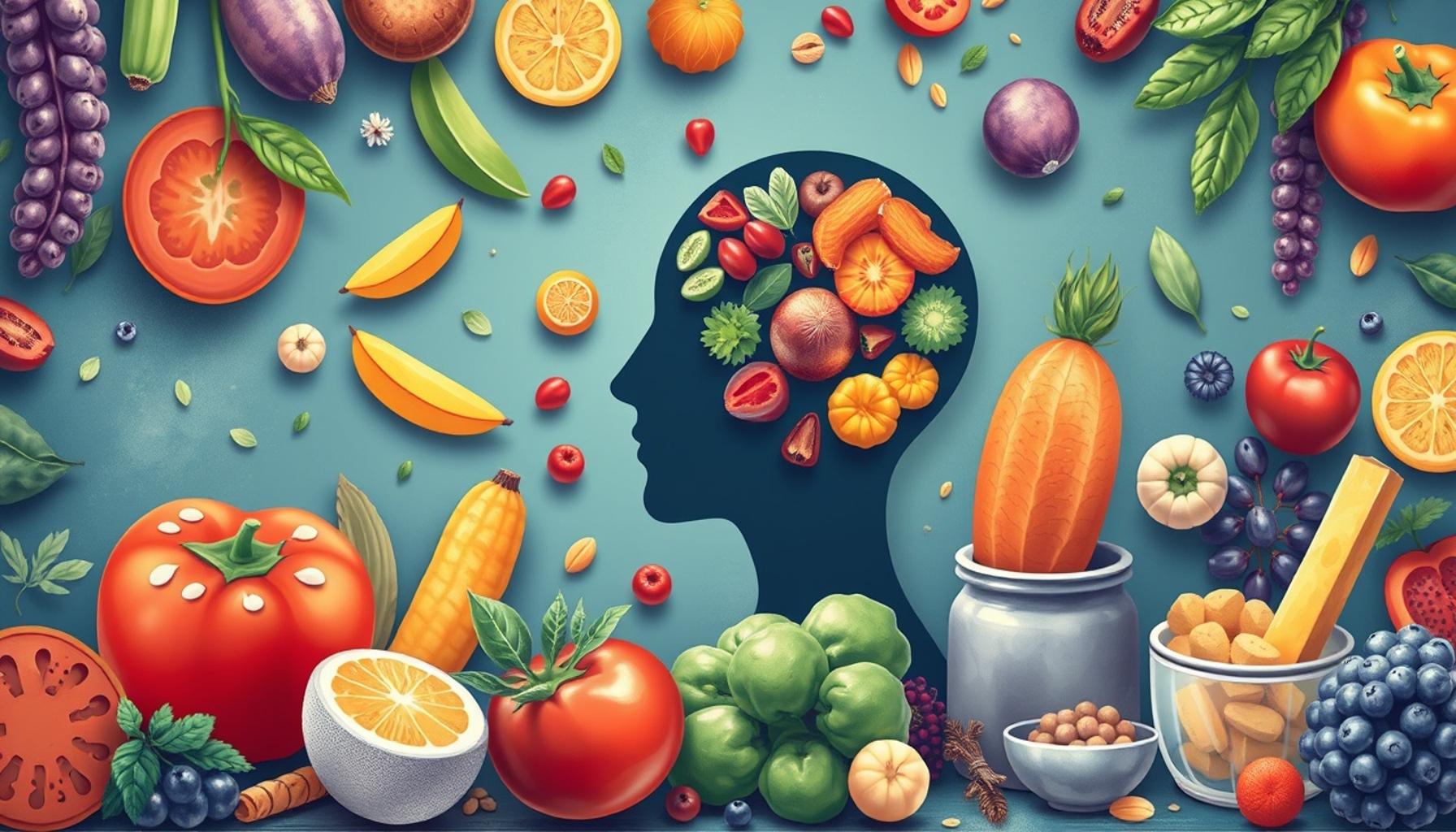
How Affective Nutrition Can Improve Your Eating Habits and Well-Being

Understanding Affective Nutrition
Navigating the world of nutrition can be overwhelming. With countless diets and food trends bombarding us daily, many people struggle to develop healthy eating habits. Yet, the concept of affective nutrition offers a transformative approach that bridges the gap between our emotional well-being and food choices.
Affective nutrition focuses on the emotional aspects of eating, integrating psychology with dietary habits. This innovative approach encourages individuals to consider how their food choices impact not just their physical health but also their mood and overall well-being. By examining how feelings influence cravings and choices, we can cultivate a healthier relationship with food.
Key Features of Affective Nutrition
Several essential elements define affective nutrition:
- Emotional Connections: Understanding how feelings influence cravings and choices is crucial. For instance, stress or anxiety might lead someone to crave comfort foods high in sugar or fat. Recognizing these patterns enables individuals to create strategies that replace emotional eating with healthier alternatives.
- Mindful Eating: This concept promotes awareness of food intake, encouraging individuals to savor each bite and truly engage with their meals. Mindful eating not only enhances the satisfaction derived from food but also minimizes overeating, as individuals become more attuned to their hunger and fullness signals.
- Nutrient-Dense Foods: Favoring foods that nurture both body and mind is a cornerstone of affective nutrition. For example, foods rich in omega-3 fatty acids, such as salmon and walnuts, can improve mood and cognitive function, creating a symbiotic relationship between nutritional choices and emotional health.
Benefits of Affective Nutrition
Incorporating affective nutrition into daily life can yield numerous benefits, which can significantly enhance the quality of life:
- Improving Mood: Certain foods, like bananas and dark chocolate, can boost serotonin levels, stabilizing mood swings. Integrating these food choices into a regular diet can provide a natural way to improve emotional well-being.
- Enhancing Energy Levels: The right nutrients, such as complex carbohydrates from whole grains and protein from lean meats, fuel sustained energy throughout the day. This not only enhances physical stamina but can also improve mental clarity and focus.
- Promoting Healthier Choices: A deeper understanding of emotional triggers can lead to better food selections. By recognizing that feelings often drive our food choices, individuals can proactively choose snacks and meals that support both their health and mood.
As we delve deeper into this topic, we will uncover how adopting affective nutrition can not only improve your eating habits but also enhance your overall well-being. The journey towards affective nutrition starts with understanding the intricate relationship between food and feelings, paving the way for a more balanced and fulfilling lifestyle.
The Emotional Connection to Food
The relationship between emotions and eating habits is complex and nuanced. Research has shown that many individuals often turn to food as a source of comfort, especially during times of stress or emotional turmoil. This tendency can lead to the consumption of unhealthy food choices, often referred to as “emotional eating.” Understanding this phenomenon is a crucial step toward developing a healthier approach to nutrition.
Many people have experienced a craving for comfort foods like ice cream or pizza after a long day at work. These foods typically trigger feelings of happiness or nostalgia, creating an emotional connection that can become a coping mechanism. By acknowledging these behaviors, individuals can begin to identify when they are eating for emotional reasons versus when they are eating to meet their physical needs.
Emotional Triggers and Food Choices
Identifying emotional triggers can be transformative. Individuals can implement it by keeping a food diary that not only tracks what they eat but also the feelings associated with those meals. Over time, this practice can reveal patterns that contribute to unhealthy eating habits such as:
- Stress and Anxiety: High-pressure environments can lead to cravings for high-calorie, low-nutrient foods that provide a quick sense of relief but ultimately detract from overall well-being.
- Depression: Some may turn to food as a source of pleasure during emotional lows, possibly leading to overeating and furthering feelings of guilt or shame.
- Boredom: Eating out of boredom or habit can lead to mindless snacking, which not only impacts waistlines but can compromise the nutritional value of one’s diet.
Addressing these emotional triggers offers the potential for significant change. By recognizing the connection between feelings and eating, one can begin to form healthier habits that prioritize nutritional choices that are conducive to improved physical and emotional health.
Strategies for Affective Nutrition
Adopting affective nutrition involves a series of conscious choices aimed at promoting well-being. Here are a few strategies that can help:
- Mindful Eating Practices: Take time to enjoy meals without distractions. This allows individuals to connect more deeply with their food, enhancing satisfaction and reducing the likelihood of overeating.
- Healthy Swaps: When craving comfort foods, consider making healthier alternatives. For instance, making a homemade pizza with whole wheat crust and vegetable toppings can not only satisfy cravings but also serve as a nutritious option.
- Emotional Outlets: Instead of turning to food in times of stress, explore alternative coping strategies such as journaling, exercising, or practicing meditation, which can provide better emotional relief and improve mental health.
By implementing these strategies, individuals can gradually reshape their eating habits, transforming the emotional connection to food into a more positive and health-focused relationship. The journey toward affective nutrition is not just about the food we consume, but also about fostering overall well-being through mindful and informed choices.
| Nutrition Aspect | Impact on Well-Being |
|---|---|
| Balanced Diet | A balanced diet helps in maintaining healthy body weight and reduces the risk of chronic diseases. |
| Mindful Eating | Engaging in mindful eating promotes better digestion and improves your relationship with food. |
| Nutrient-Dense Foods | Integrating nutrient-dense foods increases energy levels, enhancing day-to-day functionality. |
| Hydration | Proper hydration is crucial for cognitive functions and emotional health. |
Exploring the concept of affective nutrition leads to an understanding of how these various aspects contribute uniquely to overall well-being. For instance, a balanced diet ensures that your body receives necessary vitamins and minerals, which can promote longevity and vitality. Mindful eating encourages a connection between the eater and the food, resulting in greater satisfaction and improved health outcomes. These routines can transform daily eating habits into mindful rituals, fostering a sense of control and empowerment.Furthermore, incorporating more nutrient-dense foods into meals doesn’t just support a healthy weight but also provides the body with the energy it needs to remain active. It’s essential to recognize the significant role hydration plays; staying adequately hydrated aids in everything from cognitive clarity to mood stabilization. Research consistently highlights the profound effects of nutrition on mental health, showcasing how dietary choices can influence feelings of anxiety and depression.By delving into the science behind affective nutrition, readers can uncover pathways to enhance their physical and mental health through informed dietary choices.
The Role of Nutrition Education in Affective Nutrition
Understanding the principles of nutrition is vital in fostering a positive relationship with food. Affective nutrition emphasizes the importance of being informed about how different foods affect our bodies and emotions. With a growing number of resources available, individuals can access information through various platforms, including community programs, workshops, and online resources. This accessibility plays a crucial role in reshaping one’s approach to eating.
Increasing Nutritional Literacy
Nutritional literacy refers to the ability to obtain, process, and understand basic nutrition information needed to make informed food choices. Many Americans lack this key knowledge, which can lead to confusion about healthy eating. A recent study conducted by the USDA found that nearly 60% of consumers struggle with understanding food labels, leading to poor nutritional choices. By increasing nutritional literacy, individuals can become more aware of the contents of their food choices, helping them to identify nutrient-dense options that align with their emotional and physical needs.
- Food Label Education: Learning how to read and interpret food labels helps consumers make informed choices. Awareness of serving sizes, ingredient lists, and nutritional values can reduce reliance on highly processed foods that might provide short-term comfort but lack essential nutrients.
- Understanding Macronutrients: A focus on macronutrients—carbohydrates, proteins, and fats—allows individuals to understand how these components interact with their energy levels and mood. Incorporating a balanced approach to macronutrient ratios can significantly influence emotional health.
- The Impact of Micronutrients: Vitamins and minerals play a vital role in brain function and mood regulation. Nutrients such as omega-3 fatty acids found in fish, B vitamins from whole grains, and magnesium in leafy greens can enhance emotional well-being, making awareness of dietary sources of these essential micronutrients essential.
Community Support and Resources
Engaging with community resources can further enhance affective nutrition efforts. Many local organizations provide nutrition education programs, workshops, and cooking classes that encourage healthier eating habits. Such initiatives have proven effective in transforming eating behaviors by fostering a sense of belonging and accountability.
- Support Groups: Joining support groups focused on healthy eating can provide encouragement from individuals with similar goals. Sharing personal experiences and success stories can inspire participants to stay committed to their nutritional journey.
- Cooking Classes: Participating in cooking classes can demystify the process of preparing healthy meals. Learning how to cook from scratch can empower individuals to make better choices and experiment with various flavors and ingredients.
- Online Resources and Apps: Utilizing technology can aid in accessing nutrition information and tracking eating habits. Numerous apps help individuals log their meals, providing instant feedback on nutritional choices while promoting healthier habits.
As individuals become more informed and aware of the emotional connections to their eating habits, they can navigate the complexities of their relationship with food. A proactive approach towards nutritional education not only aids in improving food choices but also enhances overall well-being, paving the way for a healthier lifestyle. Emphasizing the importance of community involvement and educational resources can reinforce this positive shift, guiding people toward achieving their nutritional goals while cultivating mindfulness in their eating practices.
Conclusion: Embracing Affective Nutrition for a Healthier You
In conclusion, affective nutrition provides a refreshing approach to understanding and improving our eating habits, ultimately enhancing our overall well-being. By focusing on the emotional connections we form with food, we can transform our relationships with what we consume. The journey toward better eating habits begins with increasing nutritional literacy, empowering individuals to decode food labels, understand macronutrients, and recognize the vital role of micronutrients in mood regulation.
Moreover, the integration of community support and educational resources plays an essential role in fostering this transformation. Collaboration with like-minded individuals and engaging in local initiatives can reinforce commitment to healthier choices. Support groups inspire accountability, while cooking classes demystify the art of meal preparation, ultimately encouraging creative experimentation with nourishing ingredients.
As we continue to explore the positive impact of affective nutrition, it is critical to recognize that food is not merely sustenance but a means of emotional expression and connection. By cultivating awareness of our eating patterns and fostering emotional intelligence around food, we can pave the way for lasting change. Embracing affective nutrition is a call to invest in our health, develop a deeper understanding of ourselves, and create a fulfilling and mindful approach to eating. With these tools and insights at our disposal, we can embark on a path toward enhanced well-being for ourselves and our communities.