
The importance of optimized nutrition for mental and emotional health
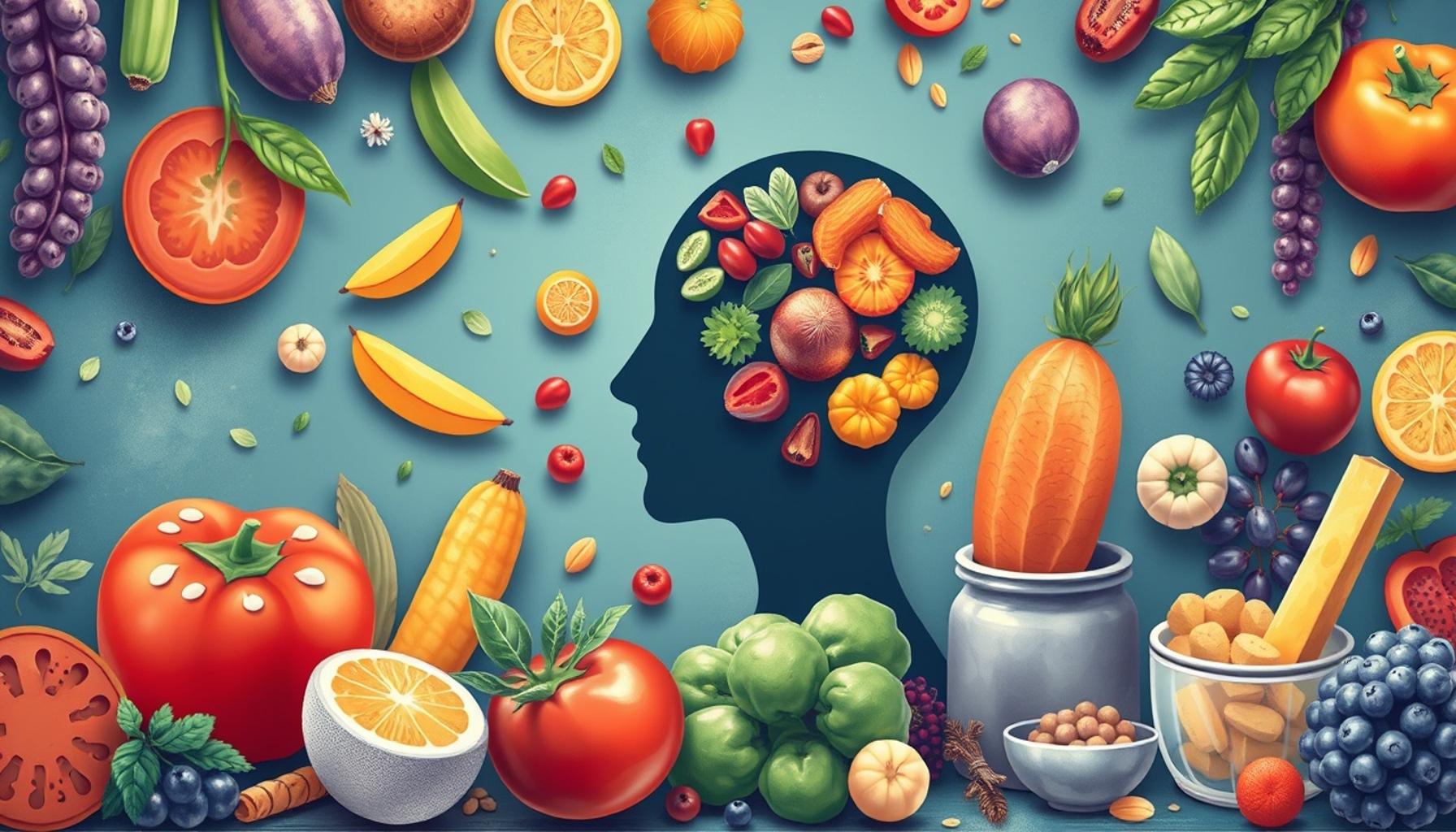
The Profound Impact of Nutrition on Mental Well-Being
In recent years, there has been a growing acknowledgment of the relationship between nutrition and mental health, yet many individuals still overlook the profound effects that dietary choices can have on their emotional and psychological state. Our brains, the epicenters of thought and feelings, require a specific array of nutrients to thrive. These nutrients do not just fuel our bodies; they play pivotal roles in hormone regulation, neurotransmitter production, and overall cognitive function.
Research has increasingly highlighted correlations between dietary habits and mental health outcomes. For example, studies suggest that individuals who consume diets high in processed foods tend to report higher levels of anxiety and depression. This contrasts sharply with those who embrace diets rich in whole, unprocessed foods. A deeper exploration reveals several key nutrients that are crucial for mental wellness:
- Omega-3 Fatty Acids: Found abundantly in fatty fish like salmon and mackerel, as well as in plant sources like flaxseeds and walnuts, these fats have been linked to lower rates of depression and anxiety. Research indicates that populations consuming higher amounts of omega-3s may experience mood stability and resilience against depressive symptoms.
- Antioxidants: Foods high in antioxidants, such as blueberries, spinach, and nuts, play a critical role in mitigating oxidative stress—a factor linked to accelerated mental decline and mood disorders. Antioxidants help protect brain cells from damage, thus promoting cognitive function and emotional regulation.
- Whole Grains: Foods like brown rice, quinoa, and whole wheat bread are essential for stabilizing blood sugar levels. Fluctuating blood sugar can lead to mood swings and irritability, while consistent energy levels contribute to improved concentration and emotional balance.
Integrating a wide variety of nutrient-dense foods into one’s diet can significantly enhance not only physical health but also mental clarity and resilience. The emerging field of nutritional psychology emphasizes psychological principles in diet changes, fostering a deeper understanding of how food choices influence our mood and behavior. By utilizing this knowledge, individuals can make informed dietary choices leading to improved emotional health.
As mental health issues become increasingly prevalent across the United States, prioritizing optimized nutrition should be regarded as a vital aspect of comprehensive health care. For those looking to chase away the clouds of anxiety or depression, food may offer a powerful, natural remedy. Exploring how specific dietary changes can improve emotional well-being paves the way for a more holistic approach to mental health. Engaging with these insights encourages individuals to reassess their eating habits and explore the potential rewards of smarter food choices.
Nourishing the Mind: Key Nutrients for Emotional Resilience
Understanding the intricate relationship between nutrition and mental health is crucial for enhancing emotional resilience and overall psychological well-being. The brain, despite its small size, consumes a significant portion of the body’s energy and requires a wide variety of nutrients to maintain optimal functioning. A well-balanced diet can play a transformative role in stabilizing mood, improving cognitive functions, and even ameliorating symptoms of mental health disorders. Here are several essential nutrients that have proven effective in fostering emotional health:
- B Vitamins: Vital for energy production and neurotransmitter synthesis, B vitamins, particularly B6, B12, and folate, are fundamental in regulating mood. Studies indicate that individuals with low levels of these vitamins are at a higher risk for depressive symptoms. Foods rich in B vitamins include leafy greens, eggs, legumes, and fortified cereals.
- Vitamin D: Often referred to as the “sunshine vitamin,” Vitamin D is synthesized through sunlight exposure but can also be found in fatty fish, egg yolks, and fortified dairy products. Deficiency in Vitamin D has been linked to mood disorders, and adequate levels are crucial for brain health, particularly during the winter months when sun exposure decreases.
- Magnesium: This essential mineral plays a vital role in nerve function and mood regulation. Research has shown that magnesium deficiency may be associated with increased feelings of anxiety and depression. Sources of magnesium include nuts, seeds, whole grains, and spinach.
Moreover, the gut-brain axis—a direct line of communication between the gut and the brain—has emerged as a significant contributor to mental health. An imbalance in gut bacteria can influence mood, thanks in part to the production of neurotransmitters like serotonin, which is often referred to as the “feel-good” hormone. Therefore, incorporating probiotics through yogurt, kefir, and fermented foods can enhance gut health and, by extension, improve emotional regulation.
The importance of optimized nutrition extends beyond just the intake of specific nutrients; it encompasses a holistic approach to dietary habits. Consuming a balanced diet rich in whole, unprocessed foods not only aids in physical health but also establishes a strong foundation for mental wellness. By shifting focus from unhealthy, processed foods toward nutrient-dense options, individuals can create a significant positive impact on their mental and emotional health.
As the understanding of mental health continues to evolve, it becomes increasingly clear that nutrition is a valuable tool in managing emotional well-being. With mental health issues on the rise in the United States, integrating these dietary shifts into routine practices could offer an accessible pathway to recovery and resilience.
| Nutrition Factor | Impact on Well-Being |
|---|---|
| Omega-3 Fatty Acids | Essential for brain health, these nutrients improve mood and cognitive functions. |
| B Vitamins | Vital for energy production and neurotransmitter function, helping reduce anxiety and depression symptoms. |
| Antioxidants | Fight oxidative stress, which is linked to mental decline and emotional disorders, promoting overall brain health. |
| Magnesium | Aids in stress management and enhances mood balance, preventing the impact of anxiety. |
Optimal nutrition is fundamental to mental and emotional health. The brain relies on various nutrients to function correctly, impacting mood, cognition, and overall well-being. For instance, consumption of omega-3 fatty acids, found in fish and flaxseeds, has been shown to significantly improve mood and reduce symptoms associated with depression and anxiety. B vitamins, including folic acid and B12, are crucial for energy production and the synthesis of neurotransmitters such as serotonin, which is essential for maintaining a stable mood. Inadequate levels of these vitamins can lead to increased feelings of fatigue and emotional instability.Additionally, antioxidants, found in fruits and vegetables, combat oxidative stress that affects brain cells. This oxidative damage has been associated with emotional disorders and cognitive decline. Incorporating foods rich in antioxidants can promote brain health and emotional resilience.Furthermore, magnesium plays an essential role in stress management. This mineral aids in regulating neurotransmitters and ensuring proper brain function, allowing for improved mood balance and emotion regulation. This underscores the critical link between what we eat and how we feel emotionally. Exploring these nutritional aspects may lead to better mental health outcomes and emotional stability, engaging the reader to delve deeper into the essential relationship between nutrition and mental wellness.
Building a Balanced Plate: The Role of Macronutrients
While the spotlight often shines on micronutrients such as vitamins and minerals, macronutrients—carbohydrates, proteins, and fats—are equally vital for mental and emotional health. Each macronutrient serves a distinct function in the body and influences brain health through different mechanisms. By understanding how these components come together to affect our mental resiliency, individuals can make more informed dietary choices.
- Carbohydrates: Carbohydrates are the brain’s primary fuel source, and they play a crucial role in the production of serotonin. This neurotransmitter not only contributes to feelings of happiness and well-being but also helps regulate mood. Consuming complex carbohydrates—like whole grains, fruits, and vegetables—ensures a steady release of glucose into the bloodstream, providing a consistent energy supply for the brain. On the other hand, simple sugars found in processed foods can lead to spikes and crashes in blood sugar levels, which may evoke feelings of irritability and anxiety.
- Proteins: Proteins are made up of amino acids, the building blocks that form neurotransmitters. For example, tryptophan is an amino acid found in turkey and bananas that the body uses to produce serotonin. Including a variety of protein sources such as lean meats, beans, and legumes can help support neurotransmitter balance, directly influencing mood and cognitive function. Moreover, consuming protein-rich foods can lead to a more stable metabolism, positively affecting energy levels and emotional health.
- Healthy Fats: Essential fatty acids, especially omega-3 fatty acids, have gained much attention for their beneficial impact on brain health. Found in fatty fish such as salmon, walnuts, and flaxseeds, these fats have been linked to reduced symptoms of depression and anxiety. Omega-3s are crucial for maintaining the integrity of neuronal membranes and promoting healthy brain plasticity, essential for emotional regulation and cognitive behavior.
Beyond individual macronutrients, the overall dietary pattern significantly impacts mental health. The Mediterranean diet, characterized by an abundance of fruits, vegetables, whole grains, lean proteins, and healthy fats, has been consistently associated with improved mental health outcomes. This dietary approach not only provides vital nutrients but also emphasizes mindful eating practices, reducing the likelihood of emotional eating—a common coping mechanism for stress and anxiety.
Additionally, the timing of meals can also influence mental well-being. Irregular eating patterns may disrupt circadian rhythms, which can exacerbate emotional disturbances. Regular meal times help stabilize blood sugar levels and support consistent energy for the brain, enhancing focus and mood throughout the day. Incorporating snacks that combine healthy fats with proteins, such as nuts and yogurt, can further optimize mental performance and emotional stability.
As the dialogue surrounding mental health continues to evolve, it is essential to recognize that optimal nutrition is a foundational pillar. The interplay of macronutrients and their impact on brain chemistry underscores the importance of making informed dietary choices, empowering individuals to take charge of their mental and emotional health through optimized nutrition.
Conclusion: Nourishing the Mind and Soul
In conclusion, the intricate relationship between nutrition and mental health cannot be overstated. A balanced diet rich in macronutrients and micronutrients plays a fundamental role in shaping our mood, cognitive function, and emotional resilience. By prioritizing foods that fuel our brains—such as complex carbohydrates, protein sources rich in amino acids, and healthy fats like omega-3s—we can help mitigate symptoms of anxiety and depression while enhancing overall mental clarity.
The evidence supporting the impacts of nutrition on mental health is compelling. The Mediterranean diet, with its abundant offerings of fruits, vegetables, lean proteins, and healthy fats, emerges as a testament to the potential of dietary patterns in improving mental well-being. Moreover, adopting mindful eating practices can facilitate better emotional regulation, reducing the urge for unhealthy coping mechanisms like emotional eating.
Nonetheless, it’s important to recognize that nutrition is just one piece of the complex puzzle of mental and emotional health. Stress management, physical activity, and social interactions are equally essential components in fostering a healthier mind. Therefore, individuals should view optimized nutrition as a foundational tool in their broader mental health strategy.
As the conversation around mental health continues to develop, integrating knowledge about optimized nutrition into everyday life is vital. Those seeking to enhance their mental and emotional well-being should explore the powerful connection between what we eat and how we feel, paving the way for a balanced and fulfilling life.