Trends in Alternative Investments: Exploring Cryptocurrencies, Art, and Real Estate
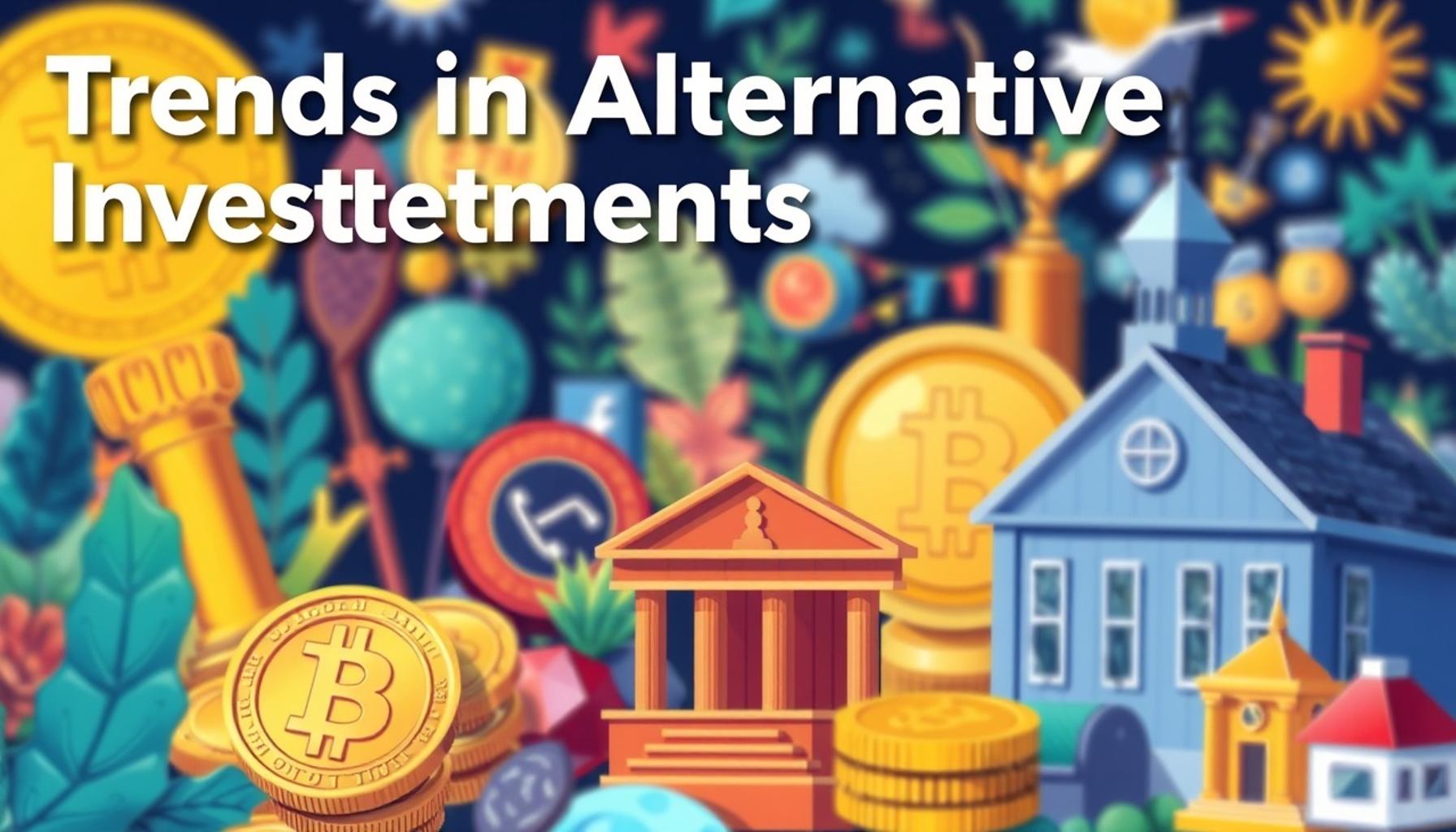
Discovering New Avenues in Alternative Investments
In recent years, the world of investing has been evolving rapidly, with alternative investments gaining significant traction. Investors are increasingly drawn to options beyond traditional stocks and bonds, exploring unique assets that promise both security and potential for high returns. This shift reflects a desire among investors to diversify their portfolios and tap into new growth opportunities that are often less correlated with the volatility of traditional markets.
Exploring the Leading Alternative Investments
Among the top contenders in this space are:
- Cryptocurrencies – These digital assets represent a revolutionary shift in the way value is stored and transferred. With Bitcoin, Ethereum, and a plethora of altcoins gaining attention, investors are intrigued by their potential to deliver substantial returns. For example, Bitcoin saw an approximate 300% increase in value from 2020 to 2021, appealing to those willing to accept the high volatility. However, it’s essential to navigate the regulatory landscape, which varies from state to state in the United States, affecting everything from transaction taxes to legality.
- Art – Art as an investment vehicle has gained momentum over the past decade. The rise of online platforms such as Artsy and Saatchi Art has made it easier for collectors to buy and sell artwork. Notably, the market for contemporary art has shown remarkable resilience, with certain pieces appreciating in value consistently. For instance, a painting by Jean-Michel Basquiat sold for $110.5 million at auction in 2017, exemplifying the potential for significant returns in this sector. Art investing not only caters to aesthetic enjoyment but also provides a hedge against inflation, enriching the investment portfolio.
- Real Estate – A classic yet perpetually evolving investment, real estate continues to attract those seeking tangible assets with both appreciation and income potential. In the post-pandemic era, certain sectors, such as suburban residential properties and industrial real estate, have surged in demand. Investors can also consider Real Estate Investment Trusts (REITs), which allow them to profit from real estate without needing to manage the properties directly. Properties in up-and-coming neighborhoods often yield high returns and are viewed as a stable investment, making real estate a compelling option for diversifying one’s assets.
Key Considerations for Investors
Understanding the characteristics and market dynamics of these alternatives is crucial. Investors should consider:
- The volatility and regulatory landscape of cryptocurrencies, as prices can fluctuate widely based on market sentiment and regulatory news. It’s also important to stay informed about developments that could impact the legality of cryptocurrency transactions.
- The potential for high returns in art investments through auction trends, where a knowledgeable collector might capitalize on emerging artists before they achieve broader recognition.
- The diversification benefits and passive income opportunities from real estate, where rental properties can provide a steady stream of income while the property itself appreciates in value over time.
As we delve deeper into these trending investment avenues, it’s essential to grasp how each option aligns with your financial goals. The intersection of modern technology and classic assets presents a fascinating landscape for today’s investors, encouraging a more creative and informed approach to asset allocation. Whether you are an experienced investor or a newcomer to the market, exploring alternative investments could open doors to unprecedented financial opportunities and help achieve a well-rounded investment strategy.
Understanding Cryptocurrencies: A Digital Frontier
As the realm of alternative investments expands, cryptocurrencies have emerged as a leading force, captivating investors with their promise of decentralization and high potential returns. Bitcoin, known as the pioneer of this digital currency era, remains the flagship asset, but the landscape is now dotted with thousands of contenders, including Ethereum, Ripple, and Cardano. The meteoric rise of these digital currencies can be attributed to multiple factors, including increased institutional adoption, technological innovations like smart contracts, and a growing acceptance of blockchain technology in various sectors.
The benefits of investing in cryptocurrencies go beyond mere portfolio diversification; they offer a hedge against inflation in an era marked by fiat currency debasement. However, potential investors should remain aware of the inherent volatility that characterizes this marketplace. Dramatic price swings are not out of the ordinary, making it essential for investors to carefully consider their risk tolerance before diving into this asset class.
Navigating the Challenges and Opportunities
While the allure of high returns is tempting, navigating the cryptocurrency landscape requires vigilance and a keen understanding of market dynamics. Here are some vital considerations:
- Regulatory Challenges: The legal status of cryptocurrencies varies significantly from one jurisdiction to another, especially in the United States. Investors should stay informed about evolving regulations that could impact their investments, including potential tax implications and the legality of certain transactions.
- Security Risks: As digital assets, cryptocurrencies are vulnerable to hacks and scams. Ensuring proper security measures, such as utilizing hardware wallets and two-factor authentication, is critical for safeguarding investments.
- Market Sentiment: Cryptocurrency prices are often influenced by public sentiment and news cycles. Keeping abreast of market trends, technological advancements, and media coverage can help investors make informed decisions.
The world of cryptocurrencies is dynamic and requires a thorough understanding to capitalize on its growth potential. Those who choose to invest should approach it as not just a financial opportunity but also a technological revolution that has the potential to redefine transaction and storage systems globally.
Art Investments: Beauty Meets Financial Potential
Parallel to the rise of digital assets, art has captured the attention of investors searching for both aesthetic appreciation and financial value. As the market for fine art expands, innovative online platforms have made it easier than ever for investors to engage with artists and collectors across the globe. Investing in art represents a fascinating blend of culture and commerce; artworks not only offer pleasure and inspiration but can also serve as significant financial assets.
Historically, artworks have shown resilience during market downturns, often appreciating in value over time. Artwork is not merely an indulgence; it can serve as a hedge against inflation and economic uncertainty. Just like any investment, however, art comes with its own set of risks and considerations. Investors must navigate authenticity challenges, market fluctuations, and the requisite expertise to identify value.
The Evolving Art Market
The growth of online auction houses and art marketplaces has democratized access to art investment opportunities. As fine art becomes more accessible, younger investors are diving in, often to access works from emerging artists before they achieve mainstream recognition. Key factors to consider when investing include:
- Authentication and Provenance: Ensuring the legitimacy and provenance of an artwork is critical. Investing in pieces with documented history can mitigate risks associated with forgery.
- Market Trends: Staying informed about emerging artists and trends in the art world can provide insight into potential future value. Tracking auction results and gallery exhibitions may guide investment decisions.
- Insurance and Storage: Unlike traditional assets, art requires physical care. Investors need to consider costs associated with insurance, storage, and conservation to protect their investment.
As art investment gains traction among both seasoned and novice investors, it presents a unique opportunity to merge personal passion with financial strategy. Understanding the nuances of this market can further enhance the potential return on investment while adding a cherished layer of cultural enrichment.
Expanding Horizons in Alternative Investments
As the landscape of traditional investing continues to evolve, alternative investments are gaining traction among savvy investors. Two of the most notable categories in this realm are cryptocurrencies and real estate, both of which offer unique opportunities and risks. Each has its own set of characteristics that can significantly impact portfolio diversification and profitability.
Cryptocurrencies have revolutionized the way people perceive and engage with currency and investment. Investing in digital currencies such as Bitcoin and Ethereum opens up possibilities for significant returns, particularly in a time characterized by inflation and economic uncertainty. The decentralized nature of cryptocurrencies provides an intriguing alternative to traditional banking systems, attracting tech-savvy investors eager for innovation.
On the other hand, investing in real estate continues to be a reliable and tangible option. With property values steadily increasing in many urban environments, real estate investment trusts (REITs) have become an attractive prospect for income generation and long-term appreciation. Real estate not only acts as a hedge against inflation, but it also offers the potential for passive income through rental yields.
Both trends are paving the way for a more dynamic investment strategy. As they become more integrated into mainstream investment portfolios, understanding their nuances will be essential for maximizing returns.
| Category | Advantages |
|---|---|
| Cryptocurrencies | High potential for significant returns, decentralized access, and liquidity. |
| Real Estate | Tangible asset, hedge against inflation, and potential for consistent cash flow through rentals. |
As we delve deeper into these innovative investment avenues, it’s crucial to stay informed about market trends and regulatory changes that could influence their performance. The world of alternative investments continues to shift, encouraging investors to adapt and evolve simultaneously. A broad understanding of both cryptocurrencies and real estate will not only enhance investment resilience but will also provide a pathway for future growth.
Exploring Real Estate: A Tangible Investment Avenue
As alternative investments evolve, real estate has emerged as a stable and tangible option attractive to both seasoned investors and newcomers. Historically regarded as a robust investment, the real estate market offers numerous avenues, such as residential, commercial, and industrial properties. With the advent of platforms that facilitate real estate crowdfunding and Real Estate Investment Trusts (REITs), a wider array of investors can now partake in property ownership without the need for substantial capital.
The appeal of real estate as an investment is multifaceted. One of the primary draws is the prospect of appreciation; property values tend to rise over time, serving as a long-term wealth-building strategy. Additionally, rental income produces a consistent cash flow, providing returns to investors even when property values fluctuate. As inflation persists, real estate is also considered a solid hedge, as rents and property values often increase with rising prices.
Understanding the Current Real Estate Landscape
Despite its advantages, real estate investment is not devoid of complexities and challenges. Investors should consider several vital aspects of the current market climate:
- Market Dynamics: The real estate market is subject to local and national trends, influenced by interest rates, economic conditions, and demographic shifts. Understanding these dynamics can provide insight into the best investment opportunities.
- Property Management: Depending on the type of investment, managing real estate can require substantial effort. Investors should either be prepared to take on management duties or allocate additional funds for property management services, which can affect overall profitability.
- Financing Options: With interest rates fluctuating, securing favorable financing can significantly impact profitability. Investors must be savvy in navigating mortgage options and understanding how leverage might affect their investment strategy.
Real estate investment also extends beyond traditional models; innovative concepts such as co-living spaces and short-term rentals via platforms like Airbnb have transformed the landscape. These models have appealed to young professionals and tourists seeking unique living experiences while providing investors with lucrative opportunities.
Moreover, the rise of sustainable real estate practices is gaining traction, appealing to environmentally conscious investors. This includes eco-friendly building materials, energy-efficient appliances, and sustainable land development. By investing in properties that prioritize sustainability, investors can tap into a growing market while promoting responsible consumerism.
Diving Deeper into Investment Strategies
As investors consider incorporating alternative assets like cryptocurrencies, art, and real estate into their portfolios, understanding various investment strategies becomes essential. For instance, diversifying across these asset classes can mitigate risks associated with market volatility. A balanced portfolio that includes digital assets, high-value artworks, and tangible properties allows investors to hedge against fluctuations in any one category.
Furthermore, keeping abreast of technological advancements and trends in these markets is crucial. The impact of technology not only enables more accessible investment opportunities but also fosters transparency and efficiency. Tools for data analysis, property assessment, and art valuation are increasingly becoming vital components of an informed investment strategy.
As the landscape of alternative investments continues to evolve, maintaining an adaptable and informed approach can enhance investors’ chances of success. Understanding the complexities of each asset class and capitalizing on emerging trends will pave the way for smarter investment decisions, ultimately contributing to financial growth and prosperity.
Closing Thoughts on Alternative Investments
As we navigate the complex landscape of alternative investments, it is evident that cryptocurrencies, art, and real estate represent not only unique investment opportunities but also reflect shifting societal values and technological advancements. The rise of cryptocurrencies showcases a progressive shift towards digital assets that promise accessibility and decentralization, attracting both risk-averse investors and those willing to embrace the volatility of this burgeoning market.
Simultaneously, the art market has opened doors to a diverse range of investors, with the growth of digital platforms that democratize access to art ownership, allowing individuals to invest in pieces that were previously out of reach. The increasing popularity of non-fungible tokens (NFTs) further exemplifies the intersection of art and technology, inviting an exciting dialogue about value, ownership, and creativity in the digital sphere.
Meanwhile, the real estate sector continues to offer investors a solid foundation, bolstered by sustainable practices and innovative investment models that cater to evolving consumer preferences. The introduction of co-living spaces and eco-conscious developments demonstrates a commitment to addressing pressing environmental concerns while capitalizing on market demand.
Ultimately, an informed, adaptive approach is essential for investors pursuing alternative assets. By diversifying portfolios across these dynamic sectors and leveraging technological advancements, investors can navigate market fluctuations more effectively. Staying attuned to trends and embracing new perspectives will not only enhance financial resilience but also pave the way for success in the ever-evolving investment landscape. The future of alternative investments is bright, rich with opportunities waiting to be explored.