

Understanding Bias in AI Algorithms
Artificial Intelligence (AI) is reshaping numerous facets of daily life, from healthcare to law enforcement. However, inherent bias in AI algorithms poses significant challenges to social justice. The implications of these biases extend beyond individual decisions and can influence systemic inequalities, affecting how public services are delivered and how individuals are treated within the system.
Key Areas of Concern
AI systems often reflect or amplify societal prejudices, creating unfair advantages or disadvantages based on sensitive attributes such as:
- Race: Data derived from historical injustices can lead to discriminatory outcomes. For example, predictive policing algorithms may disproportionately target minority communities because they rely on historical crime data that reflect previous biases in law enforcement practices.
- Gender: AI tools may perpetuate stereotypes that negatively impact hiring practices and professional progression. Research has shown that some recruitment algorithms favor male candidates, as they are trained on datasets that predominantly feature successful male applicants, often overlooking talented female candidates.
- Socioeconomic Status: Algorithms can disproportionately affect marginalized communities, widening the gap of inequality. In loan approval processes, for instance, AI systems may prioritize applicants from higher socioeconomic backgrounds, thereby denying families in lower-income brackets access to vital financial resources.
The repercussions of biased AI are immense and multifaceted. Decisions informed by these prejudiced algorithms can reinforce pre-existing societal divides, leading to significant consequences in various domains:
- Increased Surveillance: Targeted law enforcement practices can unfairly focus on certain demographics, leading to over-policing in specific neighborhoods and fostering distrust between communities and law enforcement.
- Healthcare Disparities: Biased algorithms may misdiagnose or under-treat individuals based on race or gender. For instance, studies have shown that AI-driven diagnostic tools can misinterpret symptoms in women or minorities, leading to inadequate treatment plans.
- Job Discrimination: Recruitment tools might overlook qualified candidates due to flawed criteria. Algorithms that skim resumes based on historical hiring data may inadvertently exclude individuals with non-traditional career paths or backgrounds, perpetuating job market inequalities.
This reality calls for a deep examination of AI’s impact on our social structures. As AI technologies continue to evolve, it is crucial to address the biases embedded within them to ensure equitable outcomes for all. Stakeholders, including developers, companies, and policymakers, must engage in a thorough dialogue about creating more inclusive and fair AI systems. This could involve diversifying training datasets, implementing more transparent algorithmic processes, and regularly auditing AI outcomes to identify and mitigate bias. The road ahead requires a committed effort to harness AI’s potential while safeguarding social justice for every individual.
DIVE DEEPER: Click here to explore the impact of neural networks
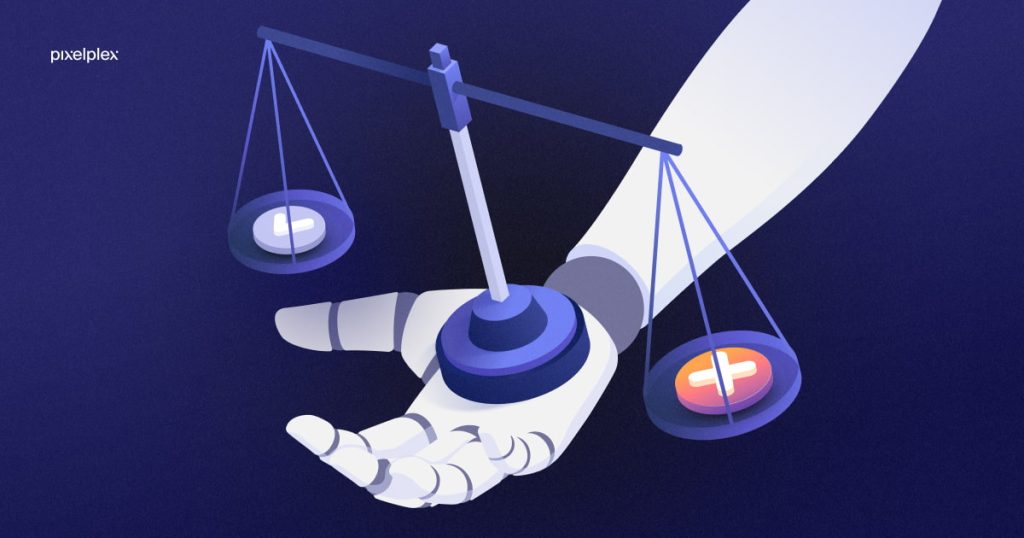
The Broader Implications of Biased AI
As AI algorithms become increasingly embedded in various sectors of society, the ramifications of bias in these systems cannot be underestimated. The decisions that stem from these algorithms are often perceived as objective, yet they can reproduce inequities that stem from historical injustices and existing societal structures. Understanding the consequences of biased AI necessitates a closer look at its influence across key areas of public life.
Legal and Criminal Justice Systems
The legal and criminal justice systems are among the most affected by biased AI algorithms. These systems are increasingly utilizing AI for tasks such as risk assessment in sentencing and offender rehabilitation. For example, algorithms used to predict recidivism may yield skewed results that disproportionately classify individuals from underrepresented communities as higher risks based solely on biased historical data. Such practices can lead to longer sentences and heightened surveillance for certain groups, exacerbating existing disparities.
Education Sector Challenges
The education sector is not immune to biased AI impacts either. AI systems are often employed to streamline admissions processes and personalize learning experiences. However, algorithms may inadvertently disadvantage students from marginalized backgrounds. Predictive analytics used in admissions decisions can rely heavily on factors like past academic performance, which can be influenced by socioeconomic status. This reliance perpetuates a cycle where students from low-income families are less likely to be admitted to prestigious institutions, ultimately impacting their future opportunities.
Financial Services and Credit Access
Financial institutions are increasingly leaning on AI to assess creditworthiness through algorithms that analyze vast amounts of consumer data. However, this reliance comes with risks. Algorithms might inadvertently discriminate against applicants based on race or residence patterns that correlate with socioeconomic status. For instance, a study found that black applicants were more likely to be denied mortgages compared to their white counterparts, even when controlling for income and credit history. This situation highlights how biased AI can deepen existing systemic barriers to wealth accumulation.
- Problematic Lending Practices: Algorithms may prioritize applicants with traditional financial profiles, disadvantaging those without established credit histories or unconventional income sources.
- Insurance Market Inequities: AI used in underwriting insurance can use data points that disadvantage specific demographics, leading to higher premiums or denial of coverage for those in marginalized communities.
- Job Opportunities: Algorithms that analyze past employment data may reinforce negative stereotypes and biases prevalent in industries, negatively impacting candidates from diverse backgrounds.
The stakes of AI bias extend well beyond individual experiences; they can catalyze systemic inequities that alter the fabric of society. As these technologies proliferate, the necessity for vigilant scrutiny and reform grows more urgent. Ensuring equitable outcomes demands robust dialogue and comprehensive strategies to challenge the biases nestled within AI algorithms. Addressing these issues is not merely a technical endeavor, but a critical step toward achieving social justice in the digital age.
The Effects of Bias in AI Algorithms on Marginalized Communities
The influence of biased AI algorithms extends far beyond technical inaccuracies; it profoundly affects social justice and equity. Biased algorithms can lead to systemic inequalities, especially for marginalized communities who are often misrepresented or underrepresented in data sets. When AI systems are trained on historical data that reflects societal prejudices, they can perpetuate these injustices, resulting in discriminatory outcomes. For example, in the realm of hiring, AI tools designed to screen resumes may unintentionally favor candidates from certain demographics, thereby sidelining qualified applicants from minority backgrounds.Moreover, these biases can significantly impact law enforcement practices. Predictive policing algorithms, which analyze historical crime data to forecast future incidents, may disproportionately target neighborhoods with high minority populations due to skewed data inputs. This creates a feedback loop of increased surveillance and policing in these areas, exacerbating existing tensions and inequalities.Additionally, the deployment of biased AI in areas like healthcare can compound disparities. For instance, algorithms used to allocate medical resources may overlook the needs of certain groups based on skewed data, leading to unequal treatment and healthcare access. Such examples illustrate the urgent need for awareness and action in addressing bias within AI systems, ensuring that they promote rather than hinder social justice.In light of these critical issues, it is essential to demand transparent AI practices and advocate for continuous monitoring of algorithmic effects. Understanding the implications of bias in AI is crucial for fostering equitable outcomes and safeguarding the rights of all individuals, especially those in vulnerable positions. As society increasingly relies on AI, we must hold these systems accountable to uphold principles of fairness and justice.
| Category | Impact |
|---|---|
| Employment Discrimination | Algorithms that favor specific demographics can worsen job inequality. |
| Criminal Justice | Predictive policing can entrench biases against marginalized communities. |
The conversation around the intersection of AI and social justice is critical as we strive for a more fair and equitable future. Each advancement in AI technology brings with it the responsibility to ensure that it is used to uplift all communities rather than deepen existing divides.
DIVE DEEPER: Click here to learn more
The Societal Ramifications of Biased AI Algorithms
Beyond the immediate implications in legal, educational, and financial spheres, the broader societal fallout of biased AI algorithms further complicates the quest for social justice. As automated systems increasingly dictate individual experiences and opportunities, it becomes essential to evaluate their far-reaching impacts on marginalized communities and societal cohesion as a whole.
Healthcare Disparities
The healthcare sector is another critical area where biased AI can have severe negative outcomes. Algorithms are being utilized for predictive analytics in patient care, disease diagnosis, and treatment recommendations. However, if these systems are trained on datasets that underrepresent certain demographics, they may fail to accurately recognize symptoms and conditions that more frequently affect those populations. For instance, research indicates that AI algorithms used in diagnostics may overlook heart disease risk in women, as they have predominantly been developed and validated using male-centric data. Consequently, this oversight can lead to delayed diagnoses and inadequate treatment for women, perpetuating health inequities.
Influence on Public Opinion and Misinformation
AI-driven platforms also play a significant role in shaping public opinion, especially through social media algorithms that curate news feeds based on users’ preferences. These algorithms can create echo chambers, amplifying biases and misinformation. For example, misinformation related to minority communities can circulate widely, influencing perceptions and fostering social divisions. Furthermore, propaganda or hate speech tailored by algorithmic amplification may incite violence or discrimination against marginalized groups, thus threatening social harmony and public safety.
The Environment of Job Displacement
The introduction of AI in the workforce raises critical concerns regarding job displacement, particularly within industries employing a high percentage of marginalized workers. As automation often prioritizes efficiency, lower-skilled jobs that are commonly held by individuals from disadvantaged backgrounds are at greater risk of being eliminated. A poignant example involves the retail sector, where AI technologies have begun replacing cashiers and stock clerks. This transition could exacerbate existing levels of unemployment or underemployment in already vulnerable populations.
- Negative Feedback Loop: The combined effects of biased hiring algorithms and job displacement can create a feedback loop where marginalized individuals face increasing barriers to employment, further entrenching socioeconomic disparities.
- Undervaluation of Soft Skills: Many AI systems focus heavily on technical skills, often undervaluing interpersonal skills that are inherently more prevalent among diverse workers.
- Lack of Representation: The underrepresentation of diverse voices in the tech industry can perpetuate biases in AI system design, exacerbating their negative impacts on those who already experience systemic inequalities.
Each of these dimensions underscores how the ramifications of biased AI systems extend far beyond individual experiences, ultimately affecting societal structures, community dynamics, and the pursuit of equity. As the conversation surrounding AI bias continues to evolve, the importance of cross-disciplinary collaboration grows—bringing together technologists, ethicists, and community advocates dedicated to forging pathways toward more just and equitable AI applications.
LEARN MORE: Click here to dive deeper
Conclusion: Navigating the Future of AI with Equity in Mind
The pervasive impact of bias in AI algorithms on social justice highlights the urgent need for introspection and reform within the tech industry. As we have explored, biased algorithms can lead to critical disparities in sectors such as healthcare, employment, and public perception, ultimately reinforcing existing inequalities faced by marginalized communities. The innovative potential of AI, if not checked and aligned with equitable principles, risks deepening systemic injustices rather than alleviating them.
It is paramount for stakeholders—from technologists to policymakers—to adopt an inclusive approach when developing AI systems. Diverse datasets and perspectives should guide the creation of algorithms to mitigate bias effectively. Moreover, increasing awareness about the implications of AI bias can empower public discourse, urging communities to advocate for transparency and accountability. Community engagement is also central in identifying the unique challenges faced by different demographics, ensuring that technological advancements serve all sectors of society.
As we move forward into an era increasingly dominated by AI technologies, a collective commitment to justice and fairness must be at the forefront. Addressing the biases embedded in our AI systems not only supports the integrity of these tools but also paves the way for a more equitable society. By embracing a model of collaboration that includes ethicists, local advocates, and technologists, we can strive for AI solutions that uplift rather than oppress, promoting social justice in an interconnected world.
Ultimately, the call to action is clear: confront the challenges posed by biased AI with courage and creativity, and champion the cause of equity for all.