
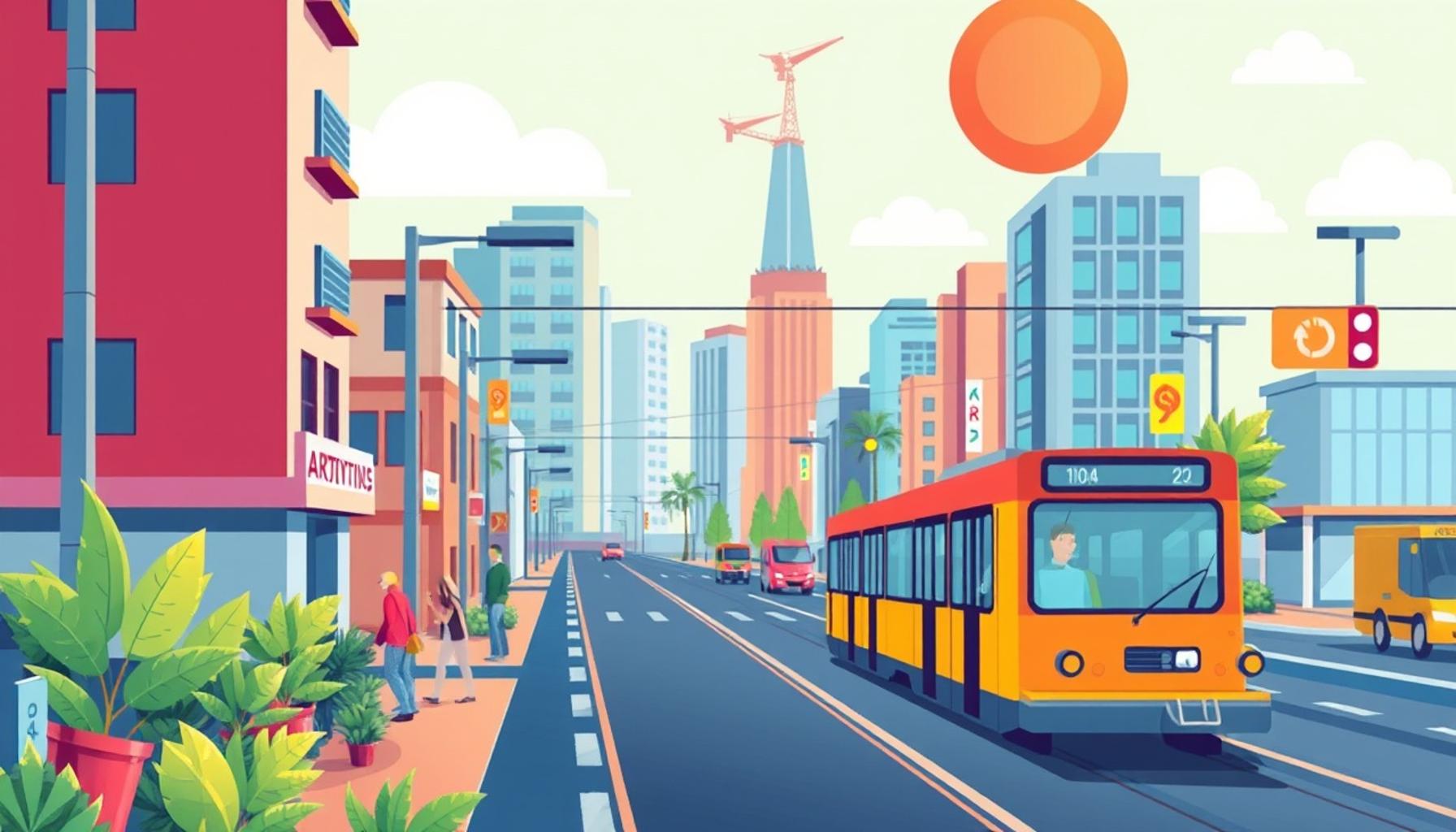
The Growing Importance of Machine Learning in Urban Environments
As cities around the globe experience an unprecedented surge in population, balancing efficiency and sustainability in transportation and resource management has become paramount. In this context, machine learning emerges as a transformative force, revolutionizing how we navigate urban landscapes. Machine learning not only makes daily commutes smoother but also elevates the overall living experience within smart cities.
Traffic Management Innovations
One significant area of machine learning application is traffic management. City planners and engineers utilize advanced algorithms to analyze real-time traffic patterns and historical data. For instance, cities like Los Angeles have implemented systems that adjust traffic signal timings dynamically based on current congestion levels. This approach helps minimize gridlock during peak hours and improve commute times, leading to less frustration for countless drivers. By decreasing waiting times at intersections, municipalities can greatly enhance road safety and air quality.
Enhancements in Public Transportation
Another vital sector benefiting from machine learning is public transportation. Through predictive analytics, transportation agencies can optimize bus and train schedules. A notable example is the Chicago Transit Authority, which uses machine learning to predict bus arrival times more accurately. By integrating real-time data from various sources, including commuter feedback and traffic conditions, authorities can adjust routes and frequencies to match passenger demand, thus ensuring a more reliable service.
Effective Resource Allocation
Machine learning also plays a crucial role in efficient resource allocation. Urban areas face immense challenges in distributing resources such as energy, water, and waste management. Machine learning models help cities like San Francisco implement smart grids that analyze consumption patterns and forecast energy needs. This predictive capability allows for optimal energy distribution, reducing waste and promoting sustainability. In waste management, smart bins equipped with sensors collect data on fill levels, enabling city services to schedule pickups only when necessary, thus conserving resources and reducing operational costs.
According to the Smart Cities Council, a staggering 50% of the world’s population now resides in urban settings, underscoring the urgency of integrating technological solutions for sustainable urban living. As we move deeper into this exploration, it becomes crucial to examine not only the existing implementations but also the potential future innovations that machine learning can usher into our urban experience. The implications are vast—and they promise to redefine life in cities for generations to come.
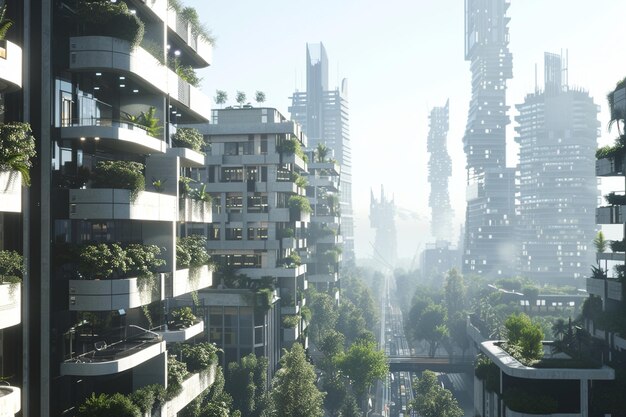
The marriage of technology and urban planning offers a glimpse into a future where smart cities can thrive amidst the challenges posed by rapid urbanization. The journey is just beginning, and the innovations on the horizon are bound to enhance convenience, efficiency, and the overall quality of life for urban dwellers across the United States and the world.
DISCOVER MORE: Click here to learn about future opportunities
Revolutionizing Urban Mobility and Sustainability
In the face of continuous urban growth, the integration of machine learning into smart city frameworks stands to redefine not only how we navigate through bustling infrastructure but also how cities manage their resources more intelligently. With a focus on transportation and urban resource optimization, machine learning technologies provide significant opportunities to create more efficient, responsive, and sustainable urban environments.
Data-Driven Decision Making
At the core of machine learning’s impact on smart cities is its ability to process vast amounts of data from various sources. By employing data analytics, city officials can make informed decisions about infrastructure improvements and service delivery. This data can include everything from traffic volume counts to environmental sensor readings. For instance, cities can utilize data from connected vehicles, public transport systems, and even social media feedback to gauge the effectiveness of current services and make real-time improvements. These data-driven insights not only facilitate better traffic and public transit management but also ensure that city resources are allocated where they are needed most.
Real-Time Monitoring and Adaptive Solutions
Machine learning enables cities to deploy real-time monitoring systems that can automatically adjust to changing conditions. Smart traffic lights that utilize algorithms have been successfully implemented in cities like San Francisco and New York, adjusting their cycles based on real-time traffic flow. These innovations lead to:
- Reduced Congestion: Cities can decrease peak-hour traffic by timing signals to avoid bottlenecks.
- Improved Pedestrian Safety: Adaptive systems can extend crossing times during busy periods.
- Enhanced Emergency Response: Prioritizing traffic for emergency vehicles can significantly improve response times during critical situations.
Public transportation systems are also reaping the benefits of machine learning. As cities work to encourage the use of buses, trams, and trains, predictive models can assess passenger behaviors and needs, allowing for optimal scheduling and capacity management. Los Angeles, for example, leverages machine learning algorithms to forecast demand for its Metro transit system, ensuring buses and trains operate at peak efficiency. This means that fewer resources are wasted on underutilized services while providing commuters with reliable transport options.
Sustainability Through Intelligent Resource Management
One of the most significant challenges faced by urban centers is managing essential resources such as energy, water, and waste efficiently. With machine learning, cities can achieve remarkable advancements in sustainability. By analyzing usage patterns, cities can implement smart water management systems that detect leaks and monitor water quality in real time. These systems not only save water but also reduce costs associated with excessive consumption or damage caused by undetected leaks.
Furthermore, initiatives like predictive waste management employ machine learning algorithms to monitor the fill levels of rubbish bins across urban environments. By scheduling pickups only when necessary, cities can cut down on unnecessary fuel consumption and optimize waste collection routes, enhancing operational efficiency.
As we delve deeper into the integration of machine learning within smart cities, the potential for innovative, sustainable solutions becomes increasingly apparent. The strong trajectory of these technologies offers hope for urban areas striving to meet the demands of growing populations while enhancing residents’ quality of life.
Machine Learning in Urban Planning
Machine Learning (ML) has emerged as a transformative force in the realm of urban planning, enabling cities to utilize data-driven predictions to enhance the efficiency of their transportation systems. By analyzing historical traffic patterns, weather conditions, and public transport usage, cities can better forecast and manage peak traffic times, optimizing routes and reducing congestion. This predictive capability not only improves commuter experiences but also significantly minimizes the environmental impact of traffic congestion.Moreover, ML algorithms can dynamically adjust traffic signals based on real-time traffic flow data, ensuring smoother transitions for vehicles and pedestrians alike. This intelligent traffic management system not only reduces waiting times but also enhances safety on city streets. For instance, studies demonstrate that cities employing ML to optimize traffic signals have seen a reduction in traffic delays by up to 30%, showcasing how advanced technology can create tangible benefits for urban inhabitants.
Enhancing Public Transport with Machine Learning
Another critical aspect of using Machine Learning in smart cities involves the optimization of public transportation systems. By leveraging passenger data, ML can forecast demand on different routes and at various times, enabling transit agencies to deploy resources more effectively. This leads to improved service frequency and reliability, as well as enhanced user satisfaction.For example, predictive analytics assist in adjusting bus schedules dynamically based on real-time ridership patterns, ensuring that buses arrive when they are needed most. A study indicated that this approach can lead to a 20% increase in public transport usage, as commuters experience less waiting time and more dependable services. Furthermore, cities can analyze patterns in delayed or overcrowded services, allowing for timely interventions to manage resources better. With these advancements, city planners are not only enhancing the efficiency of transportation networks but also contributing to the overall economic vitality by ensuring smoother mobility for both individuals and goods within urban areas. As cities continue to grow, integrating machine learning into urban transportation systems will be crucial for sustainable development.
| Category | Advantages |
|---|---|
| Traffic Management | Optimizes traffic flow and reduces congestion |
| Public Transport Efficiency | Enhances service frequency based on passenger demand |
Drawing on these insights, urban centers stand at the precipice of a new era in transportation management, making Machine Learning a pivotal component of their strategies for a smarter, more efficient future.
DISCOVER MORE: Click here to dive deeper into AI creativity
Empowering Urban Planning with Predictive Analytics
As machine learning technologies continue to advance, their role in urban planning becomes increasingly critical. Urban planners are challenged with predicting future growth and understanding the implications of new policies on traffic patterns and resource distribution. Machine learning models can analyze historical data coupled with demographic trends and socioeconomic factors to forecast the demand for transportation services, residential areas, and commercial hubs. For example, cities like Atlanta have begun using machine learning to map out urban sprawl, allowing city planners to make informed decisions that support sustainable development while addressing congestion and resource allocation challenges.
Integration of Autonomous Vehicles
The advent of autonomous vehicles (AVs) presents both opportunities and challenges for smart cities striving for optimized transportation systems. Machine learning algorithms enhance the safety and efficiency of AVs by processing real-time data from their environments, including traffic signals, pedestrian movements, and other vehicles. This constant influx of information allows autonomous systems to make split-second decisions, reducing the likelihood of accidents and improving traffic flow. Cities such as San Francisco are at the forefront of AV integration, working closely with tech companies to create frameworks that support the coexistence of traditional vehicles and AVs on urban roadways.
Enhancing Mobility with Shared Services
Shared mobility services, including ride-sharing and bike-sharing programs, benefit enormously from machine learning applications. By analyzing user data, cities can optimize the locations of shared vehicles and bikes to ensure they are readily available when and where residents need them. Programs like those seen in Chicago, where bike-sharing stations are dynamically adjusted based on usage patterns, demonstrate how machine learning can enhance accessibility and reduce the reliance on personal vehicles. By deploying predictive algorithms, shared mobility services can not only improve customer satisfaction but also help alleviate urban traffic problems and encourage the use of more sustainable transport options.
Predictive Maintenance for Urban Infrastructure
Maintenance of urban infrastructure is often reactive, leading to significant costs and disruptions. Machine learning can shift this paradigm by facilitating predictive maintenance. By analyzing data from sensors embedded in infrastructure such as roadways, bridges, and public transportation systems, cities can identify degradation patterns and potential failures before they occur. For instance, the Massachusetts Bay Transportation Authority employs machine learning to assess subway track conditions, allowing for maintenance work to be scheduled during off-peak hours to minimize service disruptions. This proactive approach not only extends the lifespan of urban infrastructure but also reduces the financial burden on city budgets.
Engagement through Smart Platforms
Citizen engagement is vital for the successful implementation of smart city initiatives. Machine learning can enhance public participation in urban development decisions through smart platforms that allow residents to provide real-time feedback on transportation amenities and resource distribution. Applications that leverage social sentiment analysis can gauge community reactions to new infrastructure projects or policy changes, empowering local governments to respond quickly and effectively. Cities such as Seattle are utilizing these platforms to foster a collaborative approach to urban development, making residents partners rather than just stakeholders in city planning.
As the evolution of machine learning continues to unfold within smart cities, it catalyzes innovative transformations in urban mobility, resource management, and community engagement. The implications of these technologies are profound, offering new ways to maximize efficiency, promote sustainability, and enhance the quality of urban life.
DIVE DEEPER: Click here to discover the magic of AI in art and music
Conclusion: The Future of Urban Living through Machine Learning
In an era where cities are expanding at an unprecedented pace, the need for sustainable and efficient urban resource management has never been more critical. Machine learning serves as a transformative force in smart cities, optimizing transportation systems and enhancing the management of urban resources. By harnessing vast amounts of data, cities can unlock insights that streamline traffic flow, predict maintenance needs, and improve service accessibility. From autonomous vehicles enhancing safety and efficiency on our roads to smart platforms fostering community engagement, the integration of these technologies is redefining urban living.
The remarkable advances in predictive analytics empower urban planners to make informed decisions that accommodate growth while minimizing congestion. Programs that offer shared mobility options leverage machine learning to enhance convenience and reduce environmental impact. Moreover, predictive maintenance shifts cities from reactive to proactive infrastructure management, saving costs and ensuring the longevity of essential services.
However, the successful implementation of these technologies hinges on continuous collaboration among city officials, tech innovators, and citizens. By prioritizing public engagement and transparency, smart cities can harness machine learning’s full potential to create urban environments that amplify quality of life and foster sustainability. As we look ahead, embracing these digital advancements may well hold the key to overcoming urban challenges and realizing a vision of cities that are not only smart but also inclusive and vibrant.