
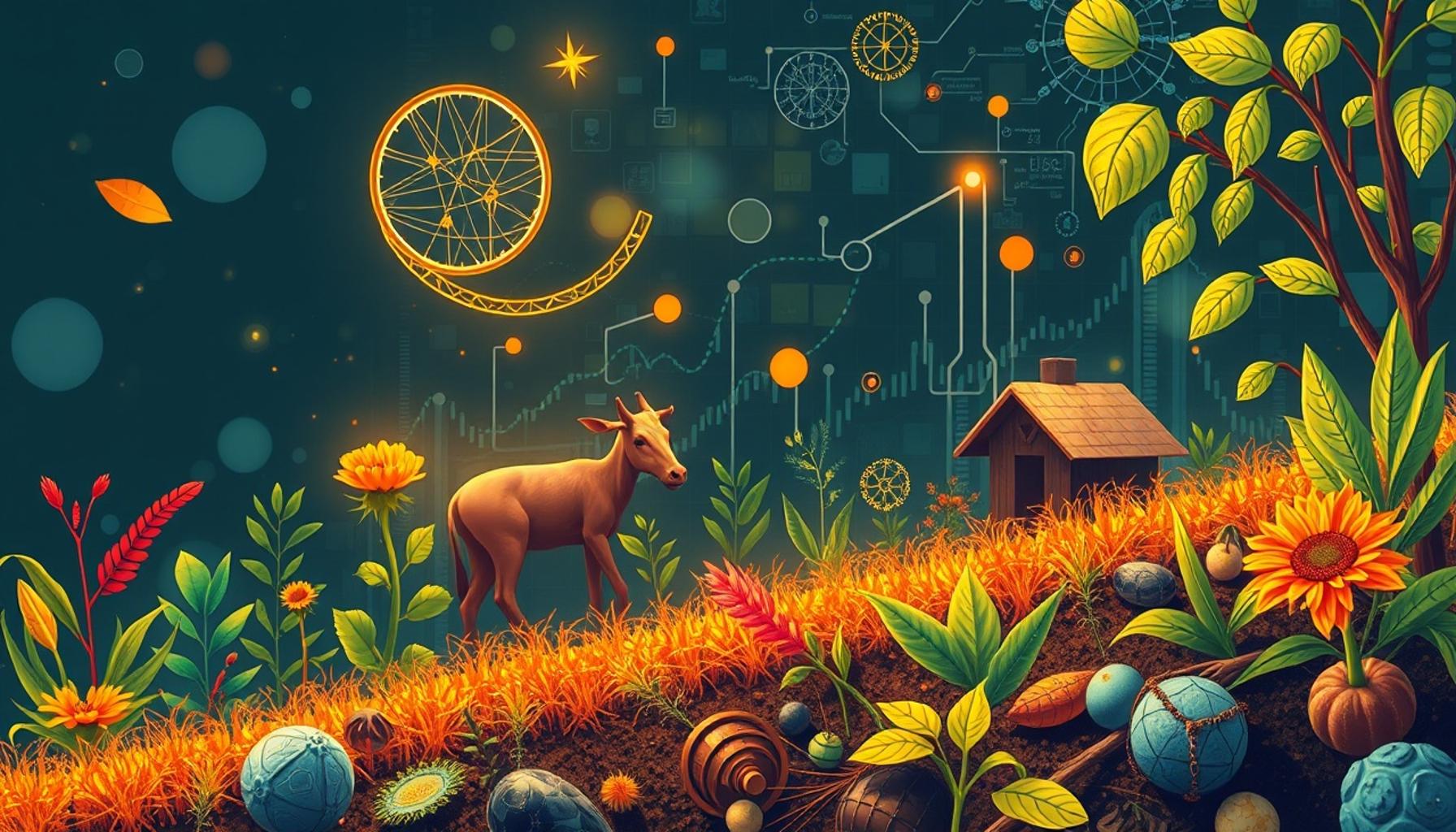
The Intersection of Technology and Traditional Farming
In an era where technology continuously transforms various sectors, the agricultural field stands at the forefront of this revolution, with machine learning emerging as a critical force. By harnessing intelligent systems, farmers can achieve remarkable gains in both productivity and sustainability. As the global population increases and climate change poses new challenges, the adoption of high-tech solutions becomes not just beneficial but necessary for modern agriculture.
Key Benefits of Machine Learning in Agriculture
- Precision Farming: This approach tailors farming practices to specific field conditions, which helps in optimizing water and fertilizer use. For instance, using satellite imagery and data analytics, farmers can pinpoint which areas of a field require more nutrients, thus saving on costs and reducing environmental impact.
- Pest and Disease Prediction: Machine learning algorithms analyze vast amounts of data, including weather patterns and historical pest outbreaks, to predict potential threats to crops. By identifying at-risk areas, farmers can apply proactive measures, such as targeted pesticide application, rather than resorting to blanket treatments.
- Soil Health Monitoring: Advanced sensors and artificial intelligence work together to assess soil conditions in real time. This data allows farmers to tailor their crop selections and interventions, ensuring optimal growth conditions. For example, knowing the pH and nutrient levels of the soil enables adjustments that promote better yields.
- Yield Forecasting: By analyzing historical data and current growing conditions, machine learning can help forecast crop yields more accurately. This information is crucial for farmers as it informs their decisions on resource allocation, sales strategies, and market timing.
These techniques are not theoretical ideals; they have a practical application that a growing number of farms across the United States are embracing. For example, large agricultural operations in states like California and Iowa are already leveraging sophisticated algorithms for crop management and utilizing drones for real-time monitoring of field conditions. This combination of technologically driven practices is reshaping the agricultural landscape.
Farmers equipped with machine learning technologies can expect not only enhanced efficiency but also a substantial improvement in sustainability. Implementing these high-tech strategies can help cultivate crops in a manner that conserves water, reduces chemical runoff, and decreases carbon footprints. As we look to the future of food production, the exploration of these innovative technologies invites further investigation into their transformative effects on food security and sustainable practices.
DISCOVER MORE: Click here to delve deeper
Harnessing Data for Smarter Agriculture
As the agricultural sector looks to modernize, machine learning provides unparalleled opportunities to utilize data in ways that were previously unimaginable. By analyzing historical data alongside real-time inputs, farmers can make informed decisions that drive efficiency and sustainability. The essence of this transformation lies in understanding the complex interactions between climate, soil types, and crop performance, paving the way for a more refined approach to farming.
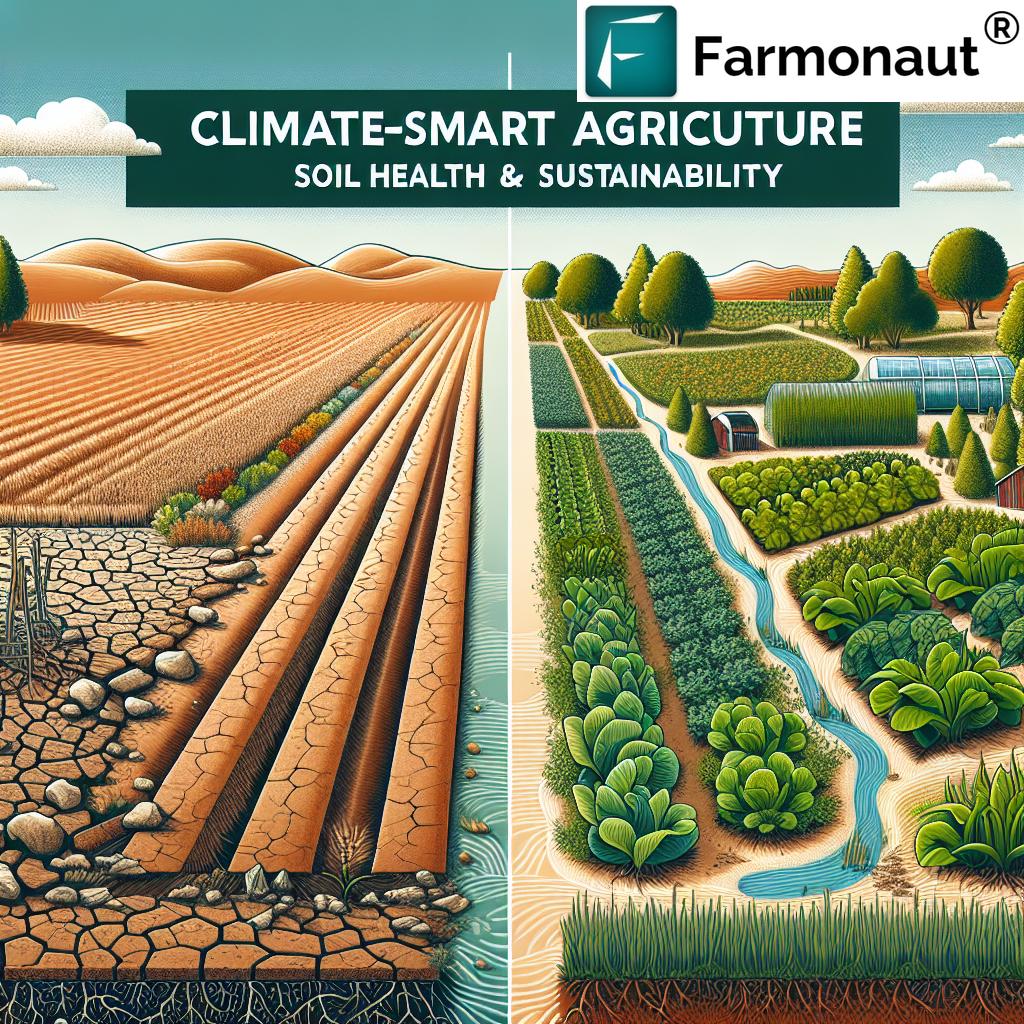
Advanced Analytics and Big Data in Agriculture
The use of big data is vital in agriculture, where the collection and analysis of large sets of information play a crucial role in optimizing farm operations. Farmers can now access various data sources—from weather forecasts and soil moisture levels to crop health metrics—creating a comprehensive dataset that enhances decision-making processes. With machine learning algorithms able to process this data at remarkable speeds, forecasts on yield and resource needs become highly accurate, ultimately leading to better profitability and reduced wastage.
Growing Adoption Across the United States
Farmers across the United States are progressively implementing these high-tech solutions, evidenced by the growing trend of precision agriculture. According to a recent report from the U.S. Department of Agriculture (USDA), nearly 70% of farmers are planning to invest in smart farming technologies over the next few years. Equipment manufacturers have also responded by integrating machine learning capabilities into their products, making it easier for farmers to adopt new technologies.
As the industry embraces this shift, the benefits are already visible:
- Resource Efficiency: With machine learning, farmers can identify which crops yield the best with the least inputs, leading to reductions in water, fertilizer, and pesticide use.
- Informed Planting Strategies: Through predictive analytics, growers can determine the best planting schedules based on weather predictions and soil conditions, which can significantly enhance crop performance.
- Data-Driven Decision Making: By integrating machine learning models into everyday operations, farmers can make quick decisions based on real-time data instead of relying solely on intuition or historical practices.
- Minimizing Environmental Impact: Efficient farming techniques supported by data-driven insights lead to sustainable agriculture that minimizes negative impacts on the environment.
With the promise of machine learning wrapped in data analytics, the agricultural industry stands on the cusp of a transformation that not only enhances productivity but also champions the principles of sustainability. As the conversation around sustainable practices and food security advances, the intersection of technology and traditional farming will undoubtedly continue to evolve, further enriching the dialogue on how to feed a growing population while preserving the planet’s resources.
| Advantage | Description |
|---|---|
| Enhanced Decision Making | Machine learning algorithms analyze vast amounts of historical and real-time data to offer precise recommendations for crop management. |
| Resource Optimization | These techniques allow for optimal resource allocation, ensuring that water, fertilizers, and pesticides are used efficiently to minimize waste. |
As we delve deeper into the role of machine learning in agriculture, it’s crucial to understand its capacity for enhanced decision making. By analyzing a multitude of variables, such as soil conditions, weather patterns, and crop health indicators, machine learning systems can recommend the best practices tailored to specific farming situations. This capability not only enhances yield but also reduces the environmental footprint.Another significant advantage is resource optimization. Utilizing machine learning, farmers can manage inputs with remarkable precision. This includes the smart application of water and fertilizers, using data-driven insights to determine the ideal quantity needed for each segment of a field. Such optimization is vital in today’s climate-conscious world, as it directly contributes to sustainability in agricultural practices, allowing for productive farming without depleting natural resources.As we explore more, the integration of these technologies signifies not just an evolution in farming methods but also a necessary revolution for the future of sustainable agriculture.
DISCOVER MORE: Click here to dive deeper
Empowering Farmers with Precision Technology
The integration of machine learning extends beyond mere data analysis; it actively empowers farmers with tools that enhance their operational prowess. Central to this transformation is the emergence of precision farming technologies, which leverage GPS mapping, drone assessments, and satellite imagery to provide a holistic view of agricultural fields. These technologies enable growers to understand variances within their fields, allowing them to apply resources more strategically and efficiently.
Drones and Imaging Technology in Crop Monitoring
Drones equipped with multispectral cameras are rapidly becoming a staple in the agriculture toolkit. These unmanned aerial vehicles provide insights that are impossible to glean from ground-level inspection alone. For instance, farmers can monitor crop health by capturing images that reveal stress indicators, enabling them to target areas needing attention. This proactive approach not only enhances crop yields but also reduces the use of fertilizers and pesticides, ultimately leading to a more sustainable farming method.
Data collected from drones can be processed using machine learning algorithms to create predictive models that forecast crop yields and disease outbreaks. A study from the American Society of Agronomy noted that farmers utilizing drones could increase yields by an average of 8-10% due to timely interventions, evidencing the technology’s remarkable capabilities.
Climate Resilience through Data-Driven Insights
With climate change posing significant challenges to agriculture, machine learning models can analyze extensive datasets to enhance climate resilience. These models take into account various climatic parameters—such as temperature fluctuations, rainfall patterns, and extreme weather events—to provide farmers with tailored recommendations for crop selection and management practices.
For example, machine learning can assist farmers in identifying which crops are most adaptable in a changing climate, factoring in historical climate data and projecting future shifts based on current trends. This adaptability is critical in regions prone to erratic weather, allowing farmers to pivot their strategies effectively. In the Midwest, a region often hit by unpredictable droughts, machine learning insights have led to the promotion of drought-resistant crop varieties, significantly enhancing reliability and productivity.
Automated Solutions for Enhanced Productivity
The rise of automation driven by machine learning is another crucial component of modern agriculture. Automated solutions—from planting and irrigation to harvesting—are becoming increasingly sophisticated. Intelligent machinery, powered by real-time data analysis, can optimize the application of water and nutrients on-the-go, ensuring that crops receive precisely what they need, when they need it.
A recent survey from the National Agricultural Statistics Service reported that over 30% of farms in the United States are exploring robotic technologies to streamline labor-intensive processes. This trend is particularly pertinent in a time when agricultural labor shortages are prevalent. By leveraging machine learning for automation, farmers can not only maintain productivity levels but also encourage sustainability through reduced reliance on chemical inputs and manual labor.
As the adoption of these technologies accelerates, the agricultural landscape is poised for a revolution that redefines efficiency and sustainability. The potential for machine learning to transform farming practices—making them smarter, more responsive, and environmentally friendly—opens doors to new paradigms in how food is produced across the United States and beyond.
DISCOVER MORE: Click here to learn how AI is transforming art and music
Conclusion: The Future of Agriculture in a Data-Driven World
The revolution sparked by machine learning in agriculture is not merely a trend, but a transformative force that reshapes the very backbone of food production. As demonstrated throughout this exploration, the adoption of advanced technologies, such as precision farming, drones, and climate analysis models, is empowering farmers to enhance productivity while fostering sustainable practices. By harnessing the power of data, agriculture is stepping into the future—one that promises greater efficiency, reduced environmental impact, and increased yield reliability.
Looking ahead, the integration of automated solutions is set to amplify these benefits even further, addressing labor shortages and enhancing operational efficiency. The potential for real-time adjustments powered by machine learning allows farmers to respond swiftly to changing conditions, whether they stem from climatic shifts or market demands. Moreover, with initiatives focusing on drought-resistant crops and tailored resource applications, it becomes increasingly clear that sustainability and profitability can coexist harmoniously.
As the agricultural sector continues to evolve through innovation, it remains essential for farmers, policymakers, and technologists to collaborate effectively. By sharing knowledge, investing in training, and prioritizing research, we can ensure that the full potential of machine learning is realized. Ultimately, the future of agriculture promises a balance between productivity and sustainability—one that not only feeds a growing population but also preserves our planet for generations to come. With continued advancements, the tapestry of agriculture will be woven with threads of technology, uniting humanity’s age-old practice with the infinite possibilities of modern innovation.