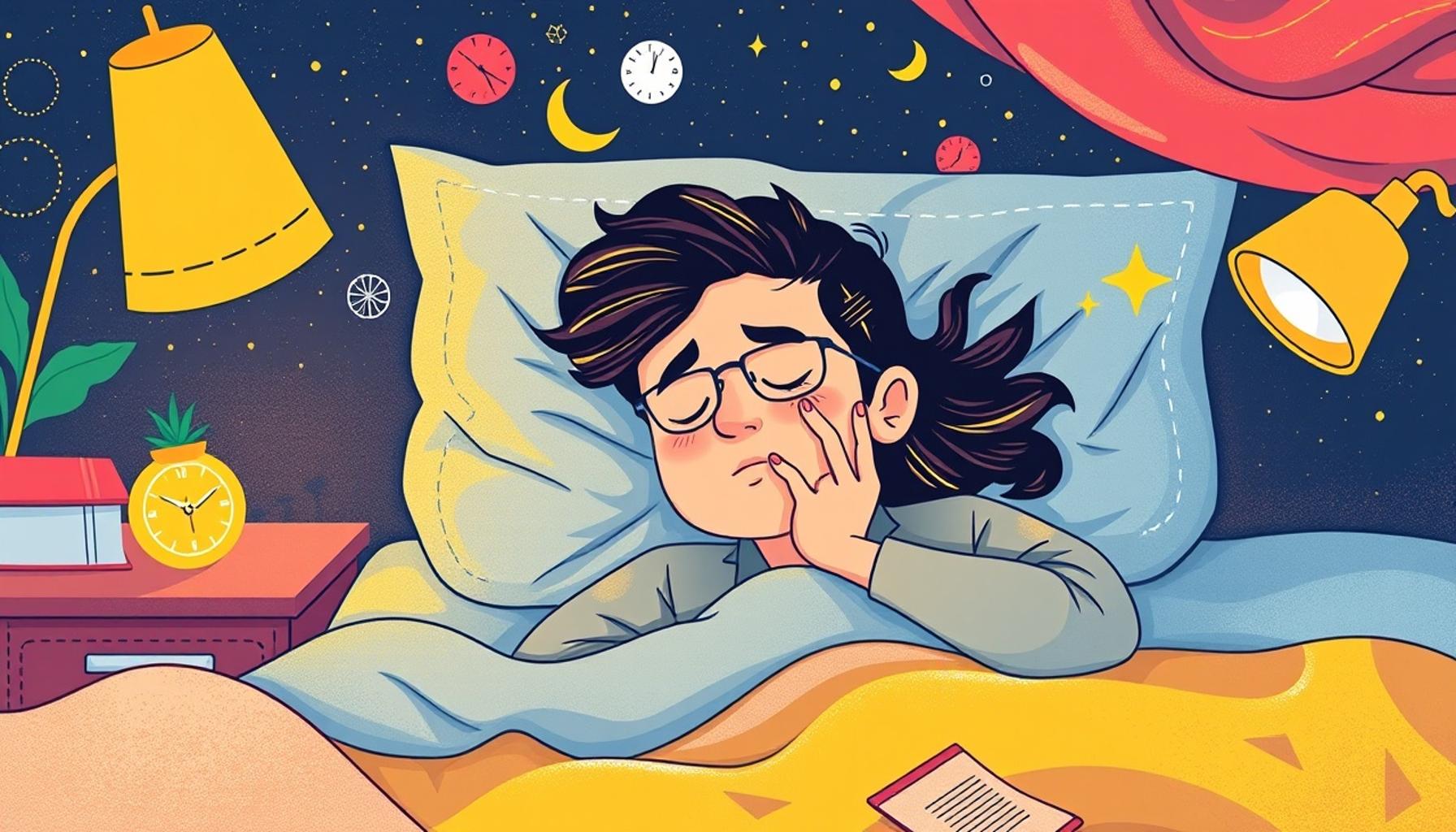
How Stress Affects Sleep: Approaches to Manage Anxiety and Promote Healthy Rest

Exploring the Intricate Relationship Between Stress and Sleep
In today’s fast-paced world, stress has become a common experience for many individuals. From looming deadlines at work to personal crises, each source of stress can have far-reaching implications on overall health. One significant area affected by stress is our quality of sleep, as an increasing number of studies highlight the profound connection between stress levels and sleep disturbances.
When the body is stressed, it activates the fight-or-flight response, which can lead to several physiological changes. Some of these reactions include:
- Increased cortisol levels: This hormone, produced by the adrenal glands, plays a vital role in the body’s stress response. Elevated cortisol can disrupt the circadian rhythm, making it extremely difficult to both fall asleep and maintain a restful sleep cycle. A study from the National Institutes of Health found that high cortisol levels are directly correlated with sleep disturbances.
- Anxiety and racing thoughts: As stress mounts, many individuals find themselves caught in a loop of anxious thoughts that can keep them awake at night. This mental overactivity inhibits the brain from entering the restful state necessary for sleep, thereby prolonging insomnia.
- Restlessness: Stress often manifests physically, leading to symptoms like muscle tension and discomfort, further complicating the ability to relax and drift off to sleep. Physical restlessness can exacerbate feelings of agitation, creating a cycle where poor sleep leads to increased stress levels.
Addressing the intertwining nature of stress and sleep is crucial for improving our quality of life. Here are some promising strategies that have been shown to manage stress and enhance sleep quality:
- Mindfulness practices: Incorporating mindfulness techniques such as meditation, yoga, or deep breathing exercises can significantly lower stress levels. Research suggests that just 10-30 minutes of mindfulness meditation can lead to noticeable improvements in the quality and duration of sleep.
- Sleep hygiene: Establishing good sleep hygiene—such as setting a consistent sleep schedule, creating a relaxing bedtime routine, and limiting screen time before bed—can significantly improve sleep quality. Research indicates that individuals who prioritize sleep hygiene are likelier to report better sleep and lower stress.
- Physical activity: Engaging in regular physical exercise can act as a powerful stress reliever. Activities such as walking, jogging, or practicing yoga can release endorphins, which combat stress and also promote deeper, more restful sleep.
Deciphering the complex relationship between stress and sleep is an essential endeavor. By proactively managing stress through various techniques and lifestyle adjustments, individuals can not only reclaim peaceful nights but also enhance their daytime productivity and overall mental health. The journey to better sleep is a personal one, full of opportunities for exploration and self-discovery.
Understanding the Biopsychosocial Impact of Stress on Sleep Quality
To truly grasp the implications of stress on sleep, one must delve into the biopsychosocial model of health, which encompasses biological, psychological, and social influences. Stress affects more than just our mood; it initiates a series of physiological processes that can interfere with our ability to sleep well. The World Health Organization has linked sleep disturbances to mental health conditions significantly, emphasizing that stress is often at the root of these issues. When under stress, both our physical and mental states undergo changes that can create an environment conducive to poor sleep.
For example, physical symptoms of stress such as an increased heart rate, rapid breathing, and muscle tension can impede relaxation, making winding down at night a challenge. When you layer this with a mind preoccupied with work deadlines, family concerns, or financial worries, it forms a perfect storm for sleep deprivation. A study by the Sleep Foundation indicates that approximately 43% of adults in the U.S. report that stress negatively impacts their sleep quality, leading to heightened incidences of sleep disorders such as insomnia. This statistic is particularly alarming considering the vital role sleep plays in cognitive functioning and emotional resilience.
Understanding the Stress-Sleep Cycle
The connection between stress and sleep is not linear; rather, it is cyclical. Poor sleep often intensifies stress levels, while heightened stress can undermine our sleep, perpetuating a cycle that is hard to break. Key components of this cycle include the following:
- Hyperarousal: Elevated stress levels can induce a state of heightened arousal within the body. This physiological state keeps individuals alert and alertness interferes with the ability to fall asleep at the end of the day, creating a frustrating barrier to achieving restful sleep.
- Increased sensitivity to disturbances: Stress can amplify our awareness of environmental noise and other disturbances, making it harder to maintain uninterrupted slumber. Even minor sounds, like a clock ticking or distant traffic, can lead to frequent awakenings and diminish overall sleep quality.
- Emotional dysregulation: Under stress, individuals often face challenges in managing their emotions. This emotional rollercoaster can lead to increased anxiety or depressive symptoms, further compounding difficulties in achieving a restorative night’s rest.
Recognizing the intricate nature of the relationship between stress and sleep is crucial for improving sleep quality. Addressing stress isn’t just beneficial; it is imperative for achieving restorative sleep. By exploring effective stress management strategies—ranging from mindfulness practices to physical exercises and community engagement—individuals may discover pathways to not only enhance their sleep but also improve their overall quality of life.
In upcoming sections, we will examine various methods and tools designed to alleviate stress and promote healthy sleep patterns. These strategies will empower readers to reclaim their rest and, ultimately, their well-being, as they embark on a journey towards healthier sleep habits.
| Category | Details |
|---|---|
| Stress-Related Sleep Disorders | Conditions such as insomnia and restless leg syndrome often stem from heightened stress levels. |
| Mindfulness Techniques | Practices like meditation can significantly reduce anxiety, leading to better sleep quality. |
| Cognitive Behavioral Therapy (CBT) | CBT helps identify and change negative thought patterns, promoting healthier sleep habits and reducing stress. |
| Physical Activity | Regular exercise has been linked to reduced stress levels and improved sleep quality, making it a powerful approach to manage anxiety. |
| Sleep Hygiene | Maintaining a regular sleep schedule, creating a comfortable sleeping environment, and avoiding screens before bed enhances sleep quality. |
Understanding the profound impact of stress on sleep is crucial for developing effective coping mechanisms. Studies have shown that heightened stress levels can trigger a cascade of physiological responses, disrupting sleep patterns and leading to long-term health issues. This information urges readers to explore various methods for managing stress and improving sleep quality.Approaches such as mindfulness techniques not only alleviate anxiety but also foster a calm mind, making it easier to achieve the restorative sleep needed for optimal functioning. Additionally, implementing Cognitive Behavioral Therapy (CBT) introduces strategies that reshape negative thought processes, allowing for healthier sleeping environments.Moreover, the incorporation of physical activity into daily routines has demonstrated significant benefits, as regular exercise is linked to lower stress and better sleep outcomes. Experts recommend maintaining good sleep hygiene practices that align with natural circadian rhythms to enhance overall well-being.By examining these strategies closely, readers can gain valuable insights into the relationship between stress management and sleep quality, encouraging them to take proactive steps towards healthier rest.
Exploring Effective Strategies to Manage Stress and Improve Sleep
With the knowledge that stress significantly disrupts sleep quality and creates a harmful cycle, it becomes essential to explore actionable strategies for managing stress and promoting a healthy sleep environment. Various approaches, ranging from cognitive behavioral techniques to lifestyle changes, can help mitigate the impact of stress and promote restful sleep.
Mindfulness and Relaxation Techniques
Mindfulness has gained recognition as one of the most effective methods to combat stress and improve sleep. It involves being fully present in the current moment and can include practices such as meditation, yoga, and deep-breathing exercises. Research shows that these practices can reduce levels of the stress hormone cortisol, making it easier to fall asleep and stay asleep. For example, a study published in the Journal of Clinical Psychology found that individuals who practiced mindfulness meditation reported significant improvements in sleep quality and reductions in insomnia symptoms.
Additionally, incorporating a simple evening routine that includes relaxing activities—like reading, taking a warm bath, or practicing gentle stretches—can signal to the body that it’s time to unwind. Establishing a consistent bedtime routine further reinforces the mind-body connection necessary for restful sleep.
Physical Activity and its Sleep Benefits
Regular physical activity is another effective way to manage stress and enhance sleep quality. Engaging in moderate exercise for at least 30 minutes a day can lead to deeper, more restorative sleep. The National Sleep Foundation recommends activities like walking, swimming, or cycling to help alleviate stress and promote better sleep. One compelling study demonstrated that participants who incorporated physical exercise reported improvements in their sleep duration and reduced symptoms of anxiety and depression.
However, timing is essential: exercising too close to bedtime can have the opposite effect. Ideally, aim to complete workouts at least three hours before going to bed. This strategy allows the body sufficient time to transition into a more relaxed state, conducive to sleep.
Building a Sleep-Conducive Environment
Another critical aspect of ensuring quality sleep involves optimizing the sleep environment. Factors such as room temperature, noise levels, and light exposure play a vital role in the ability to fall asleep and stay asleep. The optimal sleeping temperature is generally between 60 and 67 degrees Fahrenheit. Additionally, using blackout curtains to block outside light and utilizing white noise machines to mask disruptive sounds can significantly enhance sleep quality.
The maintenance of a calm and clutter-free bedroom can also contribute to relaxation. According to a survey by the Better Sleep Council, participants who reported clean and organized sleeping spaces were more likely to achieve restful sleep than those living in clutter. Incorporating calming scents, such as lavender or chamomile, through essential oils or candles, can evoke a sense of tranquility and promote relaxation before bedtime.
Therapeutic Approaches: Seeking Professional Help
For some individuals, self-regulation techniques may not suffice, prompting the need to seek professional help. Cognitive-behavioral therapy (CBT) is one highly effective approach for managing stress and insomnia. A range of studies supports the efficacy of CBT in treating sleep disorders, demonstrating that participants often see long-term improvements in both sleep quality and reduction of stress levels.
Therapists specializing in sleep issues can guide individuals through tailored strategies to identify and change negative thought patterns and behaviors affecting sleep. This approach helps break the vicious cycle of stress and poor sleep, paving the way for healthier sleep habits and restored emotional balance.
In summary, although the relationship between stress and sleep is intricate, various effective strategies can be implemented to mitigate the impact of stress on sleep quality. By embracing mindfulness practices, engaging in regular physical exercise, creating a conducive sleep environment, and pursuing professional help when needed, individuals are empowered to reclaim their restful nights. Each of these approaches offers a pathway toward better sleep and enhanced well-being.
Conclusion: Reclaiming Sleep for Better Health
In today’s fast-paced world, it is increasingly evident that stress and sleep share a complex and intertwined relationship. The insights provided about how stress affects sleep highlight the necessity of proactively addressing underlying anxiety to improve the quality of our rest. As we explored, the adoption of mindfulness practices, engaging in regular physical activity, creating a sleep-friendly environment, and seeking professional help when necessary are not just recommendations; they are essential strategies for regaining control over our nightly rest.
To further understand the extent of these solutions, one can delve into research supporting the efficacy of cognitive behavioral techniques or experiment with different relaxation strategies tailored to individual needs. Additionally, recognizing the importance of a personalized bedtime routine and a well-structured sleep environment can equip individuals with the tools needed to combat the negative impacts of stress on sleep. Simple adjustments, such as incorporating calming scents or practicing gratitude journaling, can lead to profound changes in sleep quality.
By taking proactive steps toward managing stress, we can nurture not just our sleep but overall well-being. In conclusion, the journey to improve sleep is deeply interconnected with how we handle stress, creating a virtuous cycle where better sleep fosters improved mental health and lower stress levels. Embracing these strategies can ensure that restful nights become a regular part of life, allowing us to wake up rejuvenated and ready to take on the day. Ultimately, understanding and improving the dynamic between stress and sleep is fundamental for achieving a more balanced and healthy lifestyle.