
Unlocking Creative Potential Through Technology
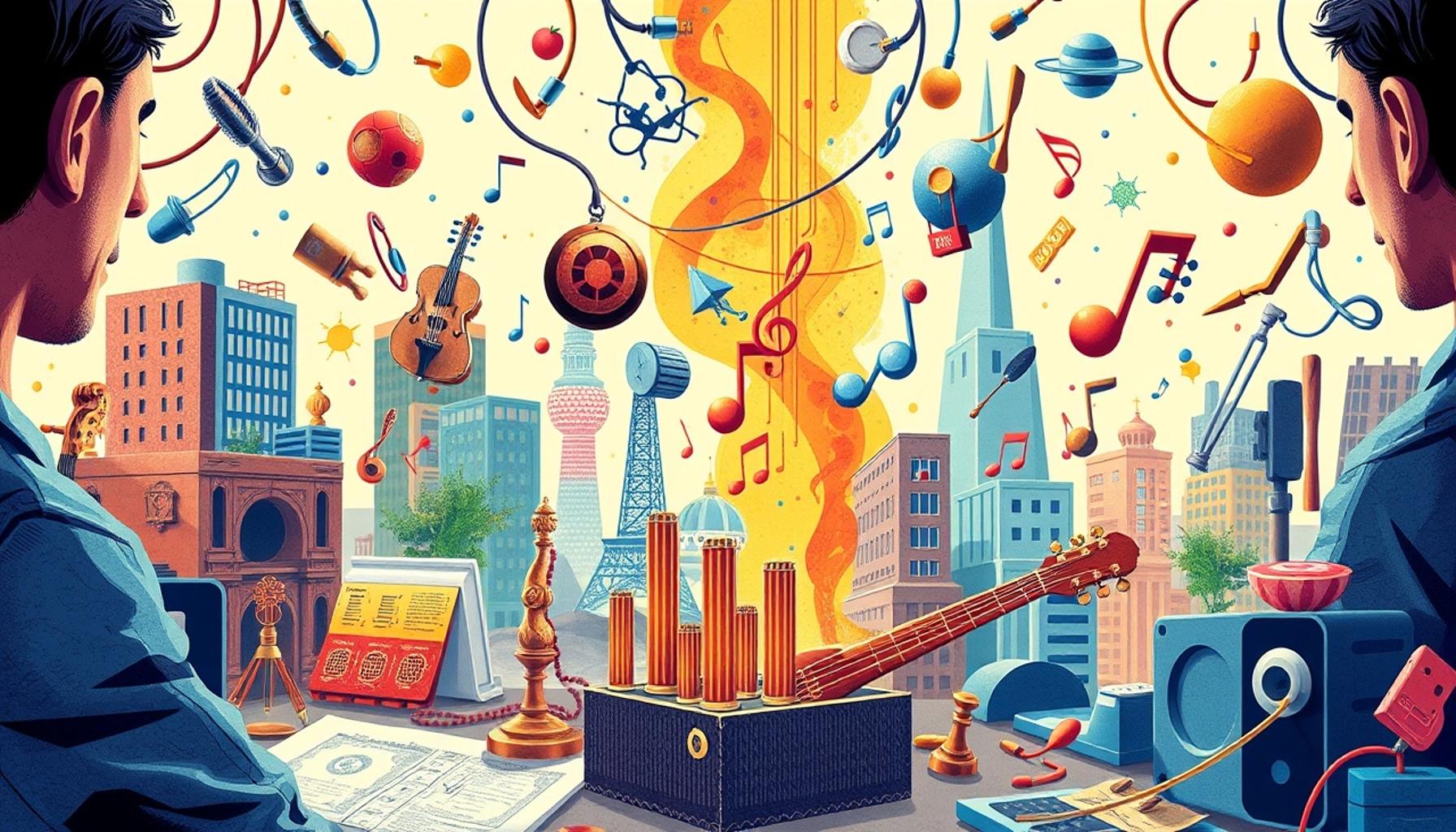
The convergence of art and technology is a captivating frontier that has intrigued artists, technologists, and enthusiasts alike. As we deepen our engagement with digital tools, the rise of generative neural networks offers an unprecedented opportunity for creative expression. These sophisticated AI systems are not merely tools; they are collaborators that can reshape how we perceive artistry and originality.
What Are Generative Neural Networks?
Generative neural networks are a class of artificial intelligence designed to analyze vast amounts of data to discern underlying patterns. By learning from extensive datasets, these networks can generate original content that mimics the attributes of existing works. Key features of these cutting-edge systems include:
- Data Learning: These networks can ingest thousands of images or sound bites, allowing them to understand and replicate various artistic styles, from classic renaissance paintings to modern digital art.
- Creativity Enhancement: They provide new avenues for creative interpretation, enabling artists to explore unique compositions and innovative designs that might not have emerged from traditional methods.
- Accessibility: With these tools, individuals without formal artistic training can experiment with creativity, democratizing art-making in ways previously unimagined.
Examples of AI in Art and Music
The capabilities of generative neural networks have birthed numerous fascinating projects, illustrating their potential in the fields of art and music:
- DeepArt: This platform allows users to upload their photos and have them transformed into artwork in the styles of famous artists such as Van Gogh and Picasso, blending personal images with historic artistic styles.
- AIVA: AIVA, or Artificial Intelligence Virtual Artist, composes emotive musical scores tailored for films and gaming, demonstrating a profound understanding of emotional cues and atmospheric dynamics.
- OpenAI’s DALL-E: This groundbreaking model generates images from textual descriptions, allowing users to visualize their ideas in a new way. Imagine typing “an astronaut riding a horse in a futuristic city” and receiving a stunning visual interpretation within seconds.
As society navigates through this technological revolution, it challenges our perceptions of creation and artistry. What does it mean to be a creator when an algorithm can produce a masterpiece? How do we evaluate the emotional depth in a composition generated by a machine? These questions prompt a deeper conversation about the future of art in a landscape where technology plays such an integral role.
The journey into the realm of generative neural networks not only showcases the innovation in digital creativity but also encourages a reexamination of the very essence of artistry. Artists, musicians, and technologists are on the cusp of a revolution that could redefine the boundaries of creativity—inviting everyone to participate in this exciting chapter of artistic exploration.
DIVE DEEPER: Click here to learn more
Transforming Traditional Artistic Practices
Generative neural networks are redefining the landscape of creativity, providing artists and musicians with tools that extend beyond conventional practices. This transformative technology operates through deep learning algorithms, allowing machines to not just replicate but also innovate artistic expressions of various forms. As we explore this fascinating interplay between technology and artistry, it is essential to understand the mechanics behind these generative models and their implications for contemporary creators.
The Mechanics of Generative Neural Networks
At the heart of generative neural networks lies the concept of training through exposure to extensive datasets. These models utilize layers of algorithms known as neurons to recognize patterns in the inputs they receive. For artists and musicians, this means that a neural network can absorb millions of unique pieces of artwork or musical compositions, developing a keen sense of the stylistic intricacies and structural components of these works. The result is the generation of new content that retains a resemblance to the original while infusing elements of novelty.
One of the prominent types of generative neural networks is the Generative Adversarial Network (GAN). In this framework, two neural networks—the generator and the discriminator—are pitted against each other. The generator creates new images, while the discriminator evaluates their authenticity against real images, pushing the generator to improve. This competition fosters astonishing advancements in the quality of generated art and music, showcasing the remarkable capabilities of AI.
The Role of Data in Artistic Creation
Data plays a pivotal role in the realm of generative neural networks. The more extensive and diverse the dataset, the more sophisticated the output. Artists and developers often curate large repositories of visual art or musical compositions, allowing the neural network to learn intricate details that inform its outputs. Consider the following key aspects of data utilization in generative art and music:
- Curatorial Practices: Artists meticulously select datasets that align with specific themes or styles, influencing the generative output to reflect their artistic vision.
- Style Transfer: By training on varied styles, neural networks can combine elements from multiple genres, enabling a fusion of influences that result in rich, unique pieces.
- Feedback Loop: Artists can provide real-time feedback on generated outputs, refining the model iteratively and enhancing its ability to generate appealing results over time.
The implications of this data-driven creativity are profound. The barrier to entry for aspiring artists has never been lower. With user-friendly interfaces and accessible software, the ability to create art and music with generative neural networks is available to anyone with a computer. However, this newfound accessibility raises critical questions about artistic ownership and the authenticity of AI-generated content. As we contemplate these issues, it becomes clear that the role of the artist is evolving, presenting an exciting convergence of technology and creativity that merits exploration.
| Advantage | Description |
|---|---|
| Creative Enhancement | Generative neural networks empower artists and musicians to explore new forms of creativity, generating unique artworks and compositions that might be beyond human capabilities. |
| Time Efficiency | AI-driven tools streamline the creative process, allowing creators to focus on refining their visions rather than starting from scratch, thus enhancing productivity. |
The phenomenon of Generative Neural Networks has transformed the landscape of artistic expression and musical composition. These advanced systems analyze vast amounts of data to learn patterns and styles, effectively enabling the creation of new content that reflects a blend of existing influences. In the realm of visual arts, artists can now experiment with AI to generate paintings that range from abstract to hyper-realistic, challenging traditional notions of creativity.Moreover, musicians are leveraging generative models to produce innovative sounds and structures, blending genres and creating compositions that resonate with audiences in unexpected ways. The integration of artificial intelligence not only revolutionizes how art and music are produced but also fosters a collaborative relationship between human creativity and machine intelligence. It’s a captivating dialogue, fostering a deeper examination of what it means to create. Furthermore, the rapid advancement in AI technology has led to the emergence of user-friendly interfaces, making these powerful tools accessible to a broader audience, from seasoned professionals to enthusiastic amateurs. Generative Neural Networks stand at the forefront of a new artistic renaissance, inviting individuals to engage in artistic exploration that transcends previous limitations.
DIVE DEEPER: Click here to uncover more insights
Blurring the Lines Between Artist and Algorithm
As generative neural networks gain traction in the artistic community, they are challenging traditional notions of authorship and creativity. The question arises: who is the true creator of a generative piece? Is it the artist who curated the dataset or the algorithm that generated the final work? This perplexing dilemma opens up a rich discussion surrounding the intersection of technology and human creativity, as we witness the emergence of a hybrid form of authorship.
Collaboration Between Human and Machine
Generative neural networks represent a paradigm shift where collaboration becomes key. Artists can now think of themselves not as solitary creators, but as collaborators with intelligent systems. This collaboration can lead to unprecedented breakthroughs in creativity. For instance, by leveraging platforms such as RunwayML or Artbreeder, artists can manipulate the parameters of a neural network while still maintaining creative control. This interactive process can yield art that is genuinely unique—a fusion of human intent and algorithmic surprise.
Moreover, this collaborative method has the potential to democratize creativity. Consider musicians utilizing AI-driven tools such as OpenAI’s MuseNet, which can compose music in various styles and genres. By blending their unique artistry with AI’s expansive capabilities, musicians can explore new sonic territories that might have been previously inaccessible. This partnership enables them to expand their creative repertoire and produce hybrid music that engages diverse audiences.
Case Studies of AI in Creative Industries
Several compelling examples illustrate the impact of generative neural networks on art and music. Notable among them is the work of artists like Mario Klingemann, who uses GANs to create astonishing visual art. His creations challenge viewers’ perceptions of originality, showcasing how AI can coalesce multiple styles into a singular artistic expression. Exhibited in renowned institutions like the Barbican in London, Klingemann’s work highlights the capabilities of neural networks while prompting viewers to question the nature of creativity.
In the realm of music, composer AIVA (Artificial Intelligence Virtual Artist) has made waves by producing original compositions used in films and video games. AIVA’s ability to analyze existing masterpieces enables it to craft compositions that resonate with emotional depth, reflecting the influences of classical and contemporary elements. This evolution in music composition reflects a growing acceptance of AI in artistic fields as AI systems become more proficient in understanding and generating human-like creativity.
The Ethical Dimensions of AI Creativity
As we embrace this new era of art and music creation, it is crucial to consider the ethical dimensions associated with generative neural networks. From concerns about copyright infringement to questions about the value of AI-generated art, the discourse is complex. Artists, like George R. R. Martin, have voiced concerns about the potential impact of AI on the creative industries, emphasizing the need for regulations to ensure that human creators maintain their rights and compensation in a landscape increasingly influenced by technology.
Additionally, the data itself raises ethical questions. The datasets that train these neural networks often comprise works created by human artists, which stirs discussions about the appropriation of artistic styles without due credit or compensation. As such, artists are beginning to explore ways to embed their identities within AI systems, fostering a sense of ownership while navigating the complexities of copyright in a digital age.
The future of generative neural networks in the realms of art and music is brimming with possibilities. As artists and musicians continue to experiment alongside these advanced technologies, we stand on the brink of a new creative frontier, one that is not only about harnessing the capabilities of AI but also about understanding and redefining what it means to create in an age where the lines between human ingenuity and machine efficiency blur.
DIVE DEEPER: Click here to discover how neural networks are reshaping finance
Embracing the Future of Creativity
As we delve into the realm of generative neural networks, it becomes evident that these innovative technologies are not mere tools for creation, but transformative partners in the artistic and musical processes. The collaboration between human creators and artificial intelligence yields a dynamic interplay that blurs the lines of authorship and challenges conventional definitions of creativity. This evolving relationship invites both artists and audiences to embrace new mediums and methods of expression, prompting us to redefine what it means to be an artist in today’s world.
Moreover, the ethical implications linked to AI-generated art and music cannot be overlooked. The conversations surrounding copyright, ownership, and creative integrity will shape the future landscape of the creative industries. As these discussions unfold, it is essential for artists to advocate for their rights and integrate their unique perspectives into AI systems. This way, they can ensure that their contributions remain valued and protected amidst the rapid advancements of technology.
Looking ahead, the integration of generative neural networks in art and music is poised to lead us into uncharted creative territories. This potential for innovation and collaboration provides a significant opportunity for artists to push boundaries and experiment freely. As we stand on the precipice of this new artistic age, the fusion of human creativity and AI capabilities holds the promise of breathtaking artistic endeavors that will captivate and inspire future generations. The journey has just begun, and it’s one worth exploring.