
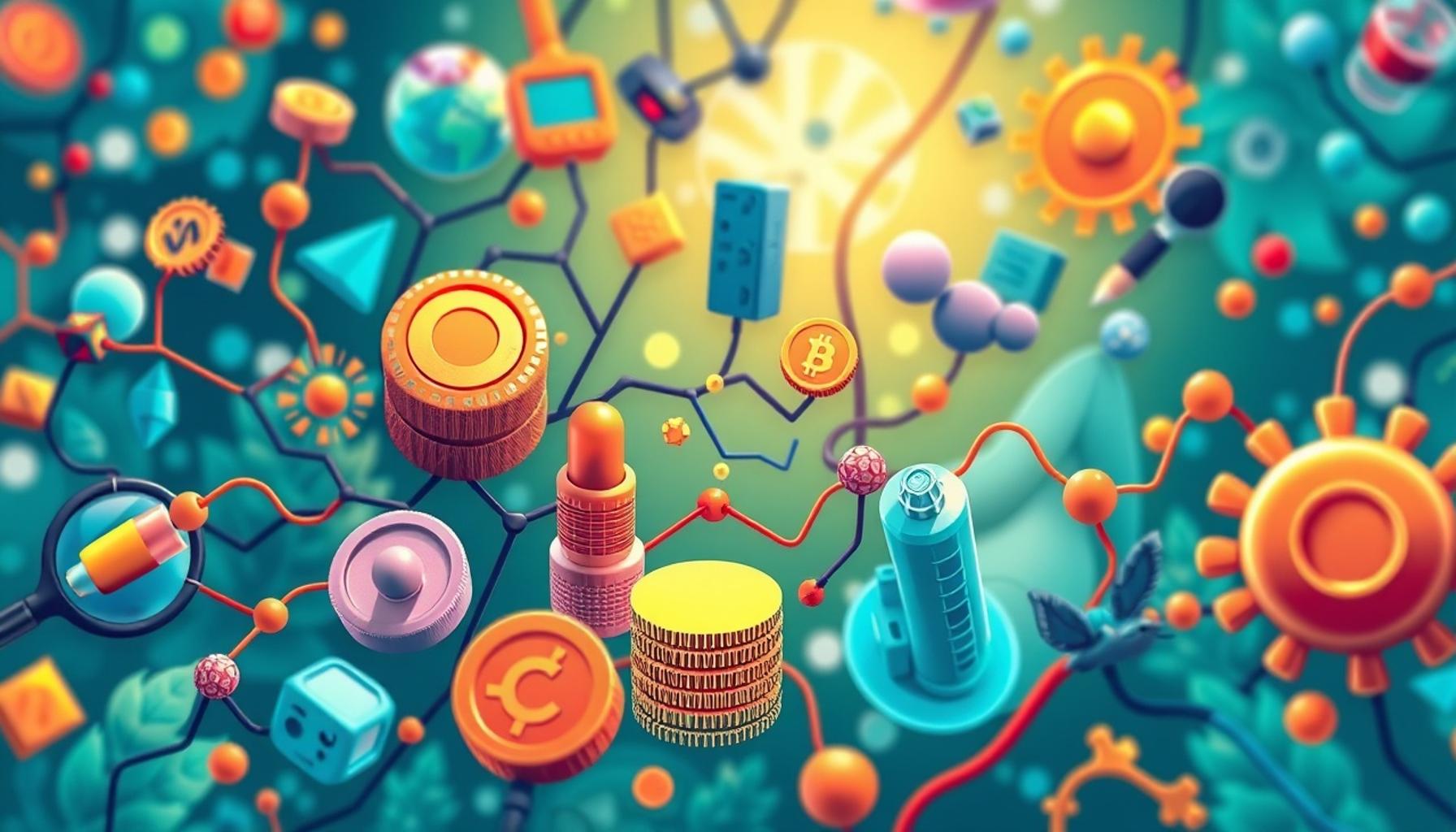
The Impact of Neural Networks on Medical Diagnosis
As the healthcare landscape undergoes a revolutionary transformation driven by technology, neural networks stand out as game-changers in the realm of medical diagnosis. These advanced algorithms operate by emulating the neural connections found in the human brain, facilitating rapid analysis of vast datasets and aiding in decision-making processes. This evolution in diagnostic capabilities is not just theoretical; it is making tangible impacts in various medical fields.
The applications of neural networks are diverse and extensive. For example, in radiology, these algorithms are capable of quickly assessing thousands of imaging scans, significantly improving the accuracy of detecting anomalies. A study published in the journal *Nature* demonstrated that neural networks could detect breast cancer in mammograms with an accuracy that rivals human radiologists, effectively reducing the chances of missed diagnoses.
Another noteworthy application is found in pathology, where digital pathology employs neural network technology to manage and analyze tissue samples. Traditionally, pathologists have had to examine samples under a microscope, a process that can be time-consuming and prone to human error. Neural networks can instantaneously evaluate these samples, identifying cellular abnormalities and expediting the diagnostic process, which is crucial in time-sensitive situations, such as cancer diagnosis.
Additionally, predictive analytics powered by neural networks is redefining how clinicians approach patient care. By analyzing data patterns from previous patient outcomes, these algorithms can predict future health scenarios, allowing healthcare providers to customize treatment plans for individual patients. This not only enhances the precision of medical interventions but can foster early intervention strategies that significantly improve patient outcomes.
Nonetheless, despite the remarkable advances, certain challenges need to be addressed. One of the foremost issues is data privacy. The safeguarding of patient information is critical, especially as healthcare organizations increasingly rely on vast datasets and cloud-based solutions. Ensuring compliance with regulations such as HIPAA (Health Insurance Portability and Accountability Act) is paramount to maintain patient trust.
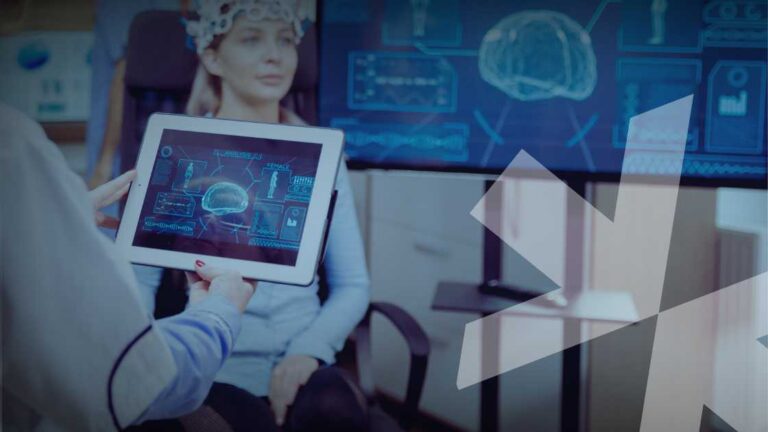
Moreover, bias in algorithms remains a significant concern. If the data used to train these neural networks reflect societal biases, the resulting algorithms may produce skewed outcomes, which could adversely affect health equity. Tackling this requires rigorous auditing and a commitment to diversity in data sourcing.
The final hurdle relates to the integration with existing systems. Introducing new technologies into established healthcare frameworks often necessitates substantial changes in workflow, staff training, and infrastructure. Ensuring a smooth transition is essential for maximizing the utility of neural networks in clinical settings.
As we move forward, the potential of neural networks in enhancing medical diagnosis is profound. By embracing both the opportunities and challenges posed by this technology, the healthcare industry can reimagine diagnostic processes. With ongoing research and development, the integration of neural networks could ultimately lead to improved health outcomes and a more effective healthcare system, beckoning healthcare professionals and patients alike to explore the future of medicine.
DIVE DEEPER: Click here to discover more insights
Revolutionizing Diagnostics Across Medical Specialties
The impact of neural networks in medical diagnosis extends far beyond the realms of radiology and pathology. A multitude of specialties are harnessing the power of these algorithms, driving significant advances in areas such as cardiology, neurology, and genetics. By leveraging deep learning techniques, neural networks are enabling healthcare professionals to make faster and more accurate clinical decisions, thus enhancing patient care.
In cardiology, neural networks are being employed to analyze electrocardiograms (ECGs) with remarkable efficacy. Traditional methods of ECG interpretation can be subjective and time-consuming, but artificial intelligence (AI) derived from neural networks offers a fresh approach. For example, researchers have developed systems that can detect arrhythmias and other heart conditions with a level of precision that not only matches human experts but often exceeds them. The ability to scrutinize heart rhythms in real time can lead to earlier interventions, significantly reducing the risk of life-threatening complications.
Furthermore, the field of neurology is witnessing a profound transformation. Neural networks are being integrated into diagnostic tools that evaluate brain scans for abnormalities linked to conditions like Alzheimer’s disease and multiple sclerosis. A study conducted by the University of California, San Francisco, revealed that convolutional neural networks could identify neurodegenerative diseases from MRI scans with a stunning accuracy rate of over 90%. This capability not only aids in timely diagnoses but also provides insights into the progression of neurological disorders, potentially guiding treatment and management plans.
In the realm of genetics and personalized medicine, neural networks are ushering in a new era of diagnostics. With the exponential growth of genetic data available, these sophisticated models can interweave and analyze complex datasets to identify patterns and mutations associated with various genetic disorders. This is particularly beneficial in tailoring treatments that align with individual patients’ genetic profiles, setting the stage for what many refer to as the future of personalized healthcare.
- Cardiology: AI algorithms improve ECG interpretation, aiding early diagnosis of heart conditions.
- Neurology: Enhanced analysis of MRI scans for early detection of neurodegenerative diseases.
- Genetics: Facilitates personalized treatment by analyzing genetic variations.
Despite the transformative nature of these applications, the integration of neural networks into traditional medical practices continues to encounter hurdles. For one, the cost of implementation can be prohibitive for many healthcare facilities, particularly smaller clinics without the necessary funding or resources. Additionally, regulatory approvals for AI technologies can become a complex process, often delaying their accessibility to practitioners and patients alike.
Moreover, ongoing research is necessary to continuously refine the algorithms used in medical diagnostics. The rigidity of traditional medical education poses another challenge; healthcare professionals must adapt to new technologies and methodologies, which requires comprehensive training and a shift in mindset towards embracing AI as a partner in diagnostics.
In summary, the applications of neural networks in medical diagnosis are profoundly reshaping the future of healthcare. By exploring these advancements, healthcare providers can harness cutting-edge technologies that drive efficiency, accuracy, and individualized patient care. However, the journey to widespread implementation remains intricate, necessitating collaboration between technology developers, healthcare professionals, and regulatory bodies to unlock the full potential of these innovative tools.
Advancements in Neural Networks for Medical Diagnosis
Neural networks have made significant strides in the field of medical diagnosis, offering enhanced accuracy and efficiency in detecting various diseases. One of the key advancements is the ability of deep learning models to analyze complex medical imaging data, such as MRIs and CT scans. These models can identify patterns that may be invisible to the human eye, leading to earlier diagnosis of conditions like cancer or neurological disorders.Additionally, neural networks continuously improve through exposure to vast datasets, enabling them to learn from diverse cases. This capacity for learning results in increasingly accurate predictive models that assist healthcare professionals in making informed decisions. Furthermore, neural networks integrate seamlessly with electronic health records, providing personalized insights that refine patient care strategies.
Challenges in Implementing Neural Networks
Despite their potential, the implementation of neural networks in medical diagnosis is not without challenges. Data privacy concerns are paramount, as healthcare data must adhere to stringent regulations to protect patient information. Moreover, the interpretability of neural networks often leaves questions concerning their decision-making processes, which can affect trust among healthcare providers and patients alike.Another significant barrier to widespread adoption is the requirement for extensive training datasets. While neural networks thrive on data, many medical institutions face difficulties in acquiring the volume of data necessary to develop robust models. Addressing these challenges is crucial for unlocking the full potential of neural networks in transforming medical diagnosis.
| Advantage | Detail |
|---|---|
| Enhanced Diagnostic Accuracy | Neural networks analyze complex data patterns, improving early disease detection. |
| Personalized Patient Insights | Integration with electronic health records provides tailored treatment plans. |
In summary, while neural networks hold transformative potential in medical diagnosis, the combination of technological benefits and mitigating challenges will pave the way for their successful implementation in healthcare systems.
DIVE DEEPER: Click here to learn more about AI ethics
Addressing Ethical Considerations and Data Challenges
While the advantages of neural networks in medical diagnostics are undeniable, the ethical considerations surrounding their use are equally critical. Issues such as bias in AI algorithms and patient privacy are paramount, raising vital questions about the integrity and fairness of machine learning applications in healthcare. Algorithms trained on datasets that do not adequately represent diverse populations may unintentionally lead to disparities in diagnosis accuracy among different demographics. This bias can perpetuate existing inequalities in healthcare access and outcomes, making it essential for developers to prioritize inclusivity in training data.
The importance of transparency in AI decision-making processes cannot be overstated. Healthcare professionals must understand the reasoning behind neural network predictions to determine their reliability and safety in clinical scenarios. This aspect of AI in diagnostics is pivotal, as clinicians rely on more than just numerical outcomes; they seek context and rationale before making treatment decisions. Efforts to develop explainable AI—systems that not only provide conclusions but also articulate the reasoning behind their assessments—are underway. Such initiatives aim to bridge the gap between complex algorithms and healthcare providers, enhancing trust and facilitating adoption.
Another significant hurdle is the issue of data availability and quality. Neural networks necessitate vast amounts of high-quality data for optimal performance. However, in many parts of the United States, access to comprehensive datasets is limited, often due to regulatory constraints, privacy concerns, or lack of adequate digital infrastructure. Additionally, data used for training must be labeled and curated meticulously, which can be resource-intensive and time-consuming. This barrier may hinder smaller institutions from leveraging these technologies, trapping them in a cycle of reliance on traditional methods.
Moreover, as new diagnostic tools employing neural networks become more prevalent, ensuring interoperability between different systems poses a challenge. The ability for various AI tools and electronic health records (EHR) systems to communicate effectively is crucial for seamless integration into clinical practice. Without interoperability, the valuable insights provided by neural networks may remain siloed, limiting their impact on holistic patient care. Collaborative efforts among technology developers, clinicians, and healthcare IT specialists are essential for creating cohesive solutions that can operate across diverse platforms.
- Bias in AI: Ensuring algorithms are trained on diverse populations to avoid disparities in diagnostic accuracy.
- Transparency: Developing explainable AI systems that elucidate decision-making processes for healthcare providers.
- Data challenges: Limited access to high-quality datasets, affecting the performance of neural networks.
- Interoperability: Facilitating communication among AI tools and electronic health records for integrated patient care.
In addition to ethical and data-related challenges, there is the pressing need for regulatory frameworks that specifically address the unique characteristics of AI technologies in healthcare. The rapid pace of innovation in neural networks necessitates a proactive approach from regulatory bodies to establish guidelines for safe and effective use. Clear regulations will not only safeguard patient welfare but also foster an environment where healthcare professionals feel empowered to rely on AI tools for support in diagnostics.
While neural networks are on the brink of revolutionizing medical diagnostics, overcoming these ethical, practical, and regulatory challenges will require a sustained collaborative effort. As the healthcare industry navigates this complex landscape, it is crucial for stakeholders to unite in addressing the issues at hand to ensure that the transformational potential of these technologies is realized equitably and efficiently.
DISCOVER MORE: Click here to learn how machine learning enhances e-commerce experiences
Conclusion
In summary, the exploration of neural networks in medical diagnosis presents a promising frontier, with the potential to significantly enhance diagnostic accuracy, speed, and patient outcomes. However, as we stand on the cusp of broad integration into clinical practices, it is imperative to address the multifaceted challenges that accompany this technological evolution. The importance of addressing ethical considerations, including bias and transparency, cannot be understated, as they are fundamental to fostering trust among healthcare providers and patients alike.
Additionally, the issues surrounding data availability and quality pose significant barriers to the universal application of these advanced algorithms. As the healthcare landscape continues to evolve, ensuring access to high-quality, representative datasets becomes crucial. Without such measures, the advancements in neural networks may inadvertently reinforce existing healthcare disparities.
The creation of robust regulatory frameworks tailored for artificial intelligence is vital for guiding the responsible development of these technologies. Such regulations will not only ensure safeguarding patient welfare but also promote a culture of safety and reliability in AI diagnostics. Collaboration between stakeholders, including technology developers, healthcare professionals, and policymakers, is key to navigating this intricate landscape.
As we continue to delve into the capabilities of neural networks, it is essential to actively engage in addressing these challenges. This collective effort will not only unlock the true potential of AI in the medical field but also pave the way for equitable, inclusive, and effective healthcare solutions for all. In doing so, the journey of harnessing neural networks for medical diagnosis can transform from mere promise to reality, ultimately uplifting patient care across diverse populations.