Creative Outlets for Stress Management: Exploring Art and Music as Therapeutic Tools
The Therapeutic Benefits of Creative Expression
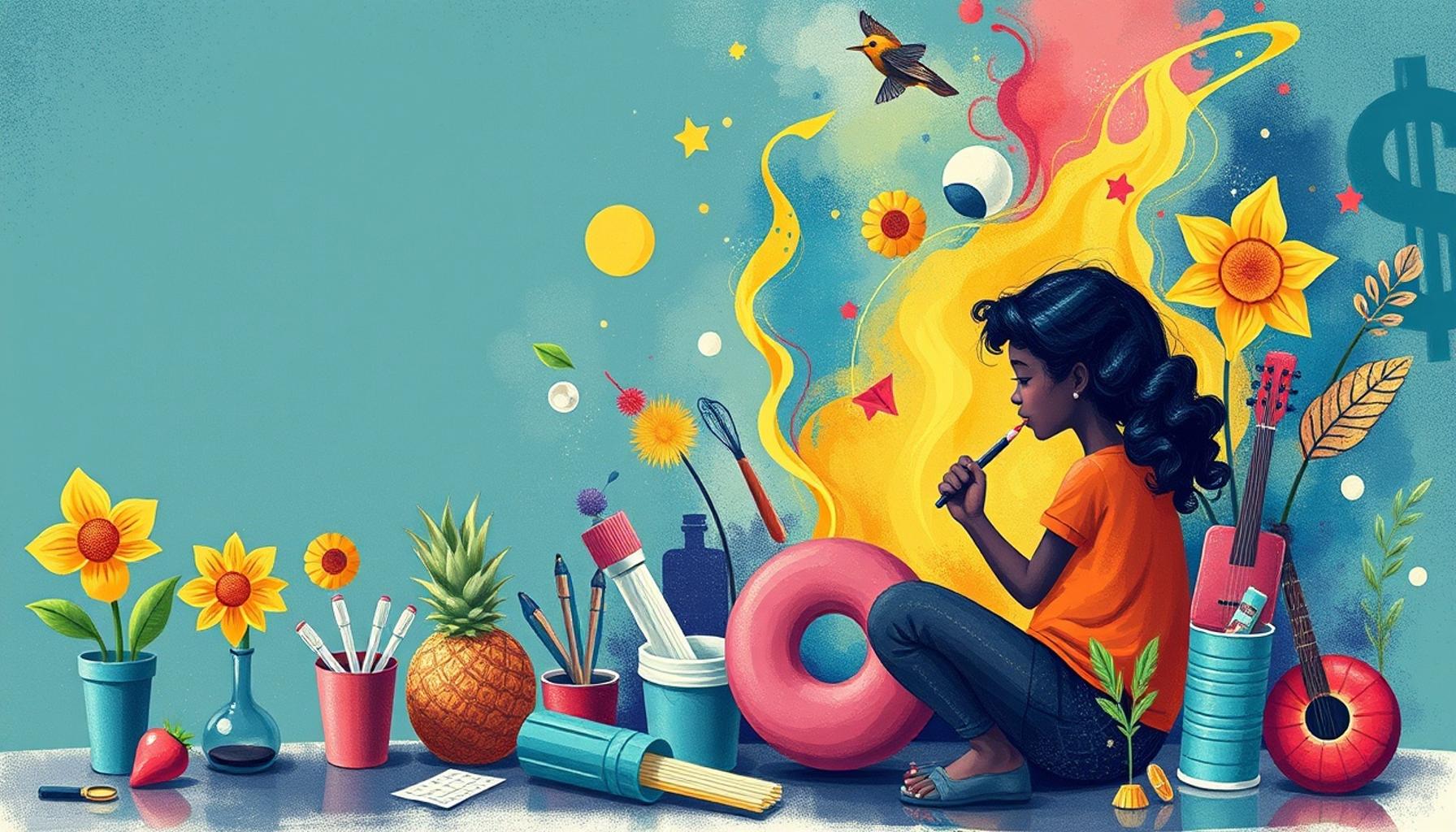
The modern world is characterized by relentless schedules and numerous responsibilities, making stress management essential for maintaining mental health. One effective and enriching approach that many individuals are embracing is the expression of their emotions through art and music. Engaging in creative activities provides not just an escape from daily pressures but also plays a significant role in healing, enabling deeper emotional exploration and personal growth.
Engaging in various artistic practices can unlock profound personal insights and therapeutic benefits. Consider, for example, the impact of:
- Painting and Drawing: Immersing oneself in colors and shapes can promote mindfulness and relaxation. By focusing on brush strokes, one can ease anxiety, creating a safe space to express unsaid feelings. Art therapy techniques often encourage individuals to create without judgment, fostering self-acceptance.
- Playing an Instrument: Music has long been known for its ability to elevate moods and encourage cognitive focus. Whether it’s strumming a guitar or playing the piano, creating melodies allows for personal emotional release and fosters a sense of accomplishment, which can be particularly uplifting.
- Dance and Movement: Dancing serves as a physical expression where individuals can let go of pent-up emotions. Whether in a formal dance class or simply moving to a favorite song in the living room, it promotes physical health while simultaneously enhancing emotional resilience.
Beyond individual benefits, creativity offers ample opportunities for community healing. Across the United States, various programs harness the power of art and music for collective mental health benefits:
- Art Therapy Programs: Many organizations facilitate groups where participants use art as a language to explore their feelings in a supportive environment, often leading to meaningful discussions and connections.
- Community Music Events: Local concerts and music festivals are designed not just for entertainment but to foster social bonds and emotional connections through shared experiences, encouraging participants to unite through rhythm and melody.
- Workshops and Classes: Engaging in structured activities like pottery or singing classes helps individuals develop skills while fostering self-expression, ultimately enhancing their emotional well-being.
The journey into the realms of art and music as therapeutic tools reveals their potential to transform both individuals and communities. By understanding how these creative outlets contribute to effective stress management, we can unlock pathways to healthier, more fulfilling lives. Individuals are encouraged to investigate local programs and explore personal artistic pursuits, discovering the profound emotional and psychological benefits they can provide.
Art as a Sanctuary for the Soul
Throughout history, art has served as a profound medium for expressing human emotion and resilience. In recent years, research has increasingly recognized the significance of artistic endeavors in enhancing psychological well-being, particularly as a viable tool for stress management. Creative outlets such as painting, drawing, and sculpting enable individuals to not only express their feelings but also confront and process their experiences in a nurturing way.
Engaging in art allows individuals to enter a flow state, where time seems to stand still, and worries fade into the background. This state can lead to significant reductions in stress and anxiety levels. According to a study published in the American Journal of Public Health, art therapy has been shown to lower cortisol levels—the hormone associated with stress—especially among those dealing with chronic stress or trauma. Such evidence underscores the therapeutic potential of artistic expression.
Consider the different ways one might engage with visual art:
- Coloring: Adult coloring books, for example, have surged in popularity as a simple yet effective way to unwind. The repetitive motions involved in coloring can induce relaxation and mindfulness.
- Collage Making: This form of art allows individuals to curate a visual narrative of their thoughts and feelings. It often serves as an insightful way to process emotions, leading to personal breakthroughs.
- Photography: Capturing moments through a camera can become a meditative practice. It encourages individuals to shift their focus from negative thoughts to the beauty around them, promoting gratitude and presence.
The healing power of music is equally profound, engaging the brain in complex ways that can uplift mood and relieve stress. Music can evoke a wide range of emotions—whether it’s the soothing tones of classical music, the energizing beats of pop, or the therapeutic rhythms of folk tunes. Engaging with music—be it through listening, singing, or playing an instrument—facilitates a unique bond between the mind and body.
Research indicates that music therapy can significantly improve mental well-being by enhancing cognitive function and emotional expression. A meta-analysis on the impact of music therapy on anxiety, published in the Journal of Music Therapy, revealed notable outcomes, suggesting that consistent engagement with music can effectively reduce anxiety levels across various populations.
To explore music’s therapeutic facets, consider the following activities:
- Listening to Music: Curating playlists that resonate with your emotions can provide an instant mood boost and foster emotional connection.
- Creating Music: Learning an instrument or writing songs not only fosters creative self-expression but also cultivates a sense of accomplishment and purpose.
- Group Singing: Participating in choir or community singing events enhances social connections and releases endorphins, often referred to as the body’s natural painkillers.
In essence, both art and music serve as harmonious vessels for emotional release and mental tranquility. By incorporating these creative outlets into daily routines, individuals can build healthier coping mechanisms and engage in constructive stress management practices. As the exploration of creative outlets continues, both personal and community healing can flourish, paving the way for more resilient lives.
Discovering the Power of Art and Music
Art and music are not merely forms of entertainment; they serve as powerful tools for stress management and emotional healing. Engaging in creative activities provides individuals with a means to express their emotions and thoughts that words often cannot capture. Setting aside time for drawing, painting, or playing an instrument can create a sense of flow, where worries dissipate and concentration is centered on the task at hand.
The Therapeutic Benefits of Artistic Expression
Artistic expression has been widely recognized for its therapeutic benefits. Studies show that engaging in creative activities can lower stress levels, help manage anxiety, and promote emotional well-being. The act of creating—whether it’s through sculpting, portraying a scene on canvas, or composing music—allows individuals to channel their feelings positively. Specific benefits include improved mood, enhanced self-esteem, and the opportunity for personal reflection.
Music as a Form of Therapy
In the domain of music, many individuals find solace and comfort. Listening to or creating music can stimulate brain regions associated with emotional regulation. Music therapy has emerged as a formal practice, often utilized in mental health settings to support individuals coping with trauma or emotional challenges. This therapeutic approach incorporates various musical exercises tailored to individual needs, facilitating personal growth and coping strategies.
| Category | Benefits |
|---|---|
| Artistic Expression | Promotes self-discovery, emotional release, and enhanced mood. |
| Music Therapy | Facilitates emotional healing, stress relief, and personal growth. |
Through these creative outlets, individuals can learn to manage stress and emotional challenges, leading to a more balanced and fulfilling life. Exploring art and music as therapeutic tools opens the door to new coping mechanisms and enhances one’s overall mental health, making this a vital topic in stress management discussions.
Music: The Universal Language of Healing
Music, often regarded as a universal language, holds a powerful position among creative outlets for stress management. Its ability to influence emotions, improve mental clarity, and enhance overall well-being is well-documented. Various studies, including those from the American Psychological Association, have found that music can significantly reduce stress and provide emotional comfort in times of difficulty.
One fascinating aspect of music’s role in stress relief is its ability to stimulate the brain’s reward system. When individuals listen to or participate in creating music, dopamine—the neurotransmitter linked to feelings of pleasure and reward—is released. This physiological response can counteract the body’s stress response, providing not only immediate comfort but also fostering long-term resilience against distress.
Incorporating music into one’s daily life can take many forms, making it a versatile tool for stress management:
- Mindful Listening: Set aside time to sit in a quiet space, closing your eyes and focusing on the nuances of your favorite tracks. This mindful practice allows individuals to immerse themselves in sound, escaping from daily worries.
- Rhythmic Movement: Engaging in dance—whether solo or in a group—can be an exhilarating way to release pent-up energy and relieve stress. The movement paired with music can lead to a euphoric experience that enhances mood and fosters connections with others.
- Sound Healing: Techniques such as singing bowls and tuning forks utilize vibrational frequencies to promote relaxation and well-being. These practices, rooted in ancient traditions, are gaining popularity in modern wellness circles, illustrating music’s timeless healing capabilities.
Moreover, community engagements, like music festivals and local concerts, foster social connections that are vital for emotional health. Studies have shown that collective music experiences can prompt feelings of unity, further heightening the emotional impact of music. Events such as the popular Newport Folk Festival in Rhode Island not only showcase diverse musical talent but also create an environment where individuals can bond over shared experiences, reducing feelings of isolation.
It’s important to highlight accessibility in engaging with these creative outlets. For individuals in the United States, organizations like Music & Memory use music playlists tailored to individuals, promoting memory recall and emotional connections among those with cognitive disorders. This demonstrates how music can serve therapeutic purposes across all life stages.
As more people seek healthy coping mechanisms in today’s fast-paced world, music remains a vital resource. The integration of music into everyday routines fosters not only personal healing but also cultivates community bonds. With each strum of a guitar or stroke of a piano key, individuals can find solace, understanding, and transformative pathways to better mental health.
Finding Solace in Creativity
In a world increasingly laden with stress and uncertainty, the exploration of creative outlets such as art and music emerges as a vital avenue for emotional relief and mental clarity. By engaging in artistic pursuits—whether through creating, listening, or appreciating—individuals tap into intrinsic sources of joy and healing. The therapeutic properties of these activities not only offer immediate comfort but also empower individuals to cultivate resilience in the face of life’s challenges.
As demonstrated, both art and music play significant roles in transforming stress into a constructive expression of emotions. Techniques ranging from mindful listening to participatory creations illustrate how these modalities can enhance emotional well-being, offering profound benefits that resonate through personal and communal interactions. In the case of music, the release of dopamine while engaging with rhythms or melodies serves as a biological anchor in the pursuit of happiness, bringing together communities and forging emotional bonds.
Furthermore, organizations across the United States, like Art for Healing and Music & Memory, underscore the importance of integrating these creative modalities into therapeutic practices. These initiatives highlight the accessibility and adaptability of creative outlets for diverse audiences, ensuring that the benefits of art and music can reach those who may need them most.
Ultimately, embracing art and music not only enriches the individual experience but also serves as a catalyst for communal healing. As we continue to navigate the complexities of modern life, these creative tools remind us of our innate capacity for resilience and connection. Therefore, let us embrace the arts not just as hobbies, but as essential elements in our journey toward holistic well-being.