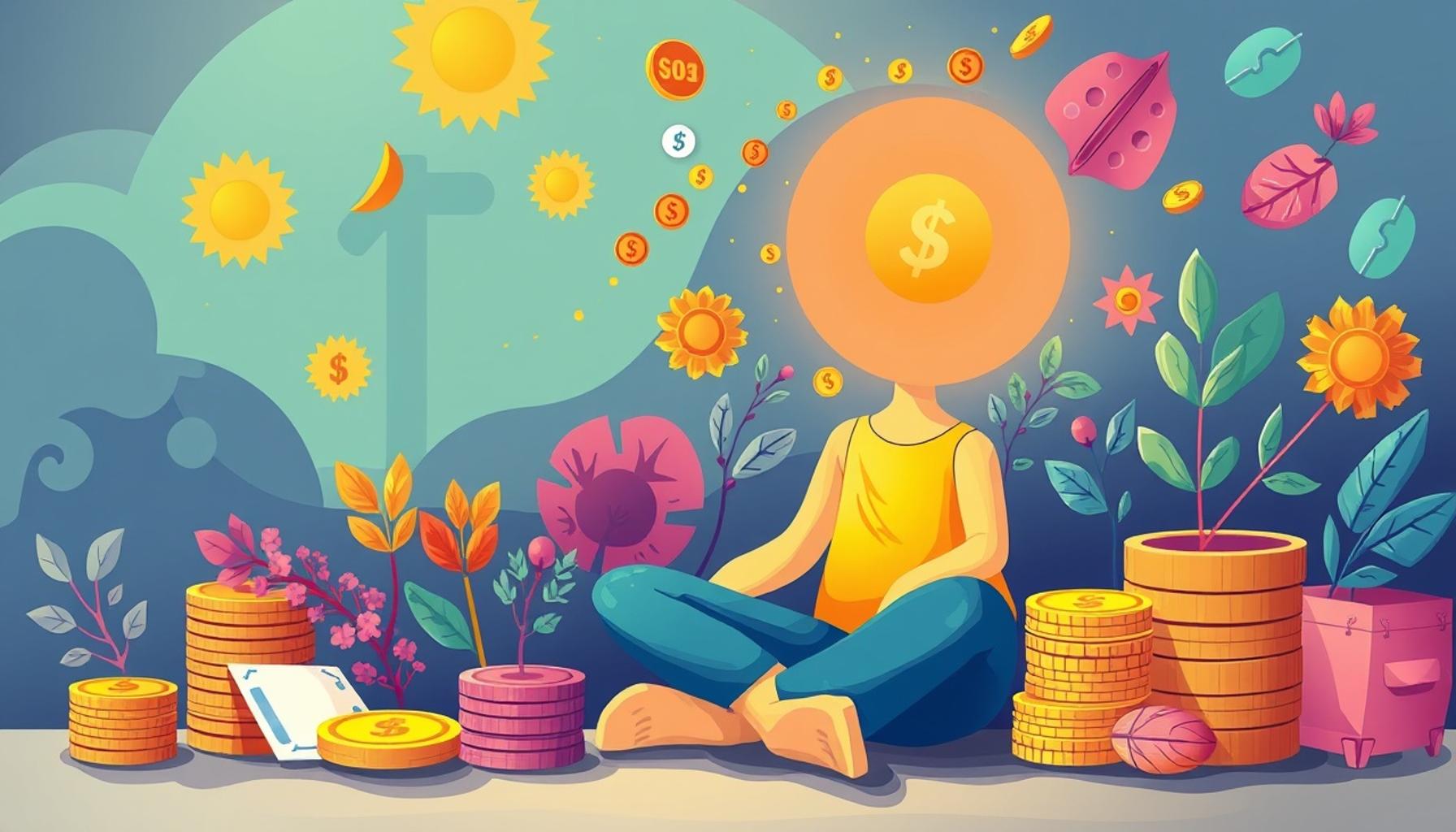
Mindfulness and Self-Compassion: Tools to Cultivate Mental Health in Daily Life

The Benefits of Cultivating Mindfulness and Self-Compassion
In the frenetic pace of modern life, individuals are increasingly feeling the weight of anxiety, stress, and myriad overwhelming emotions. The good news is that amidst this turbulence, mindfulness and self-compassion stand out as transformative practices that can significantly enhance mental health. Not only do they provide tools for emotional regulation, but they also enrich the tapestry of daily existence, allowing individuals to navigate challenges with greater ease.
Exploring the benefits of these practices reveals their profound impact:
- Improved Focus: Engaging in mindfulness leads to sharper attention and a more coherent perspective on life. Studies have shown that mindfulness meditation can enhance cognitive flexibility and working memory. For instance, professionals in high-stakes environments, like those in tech startups in Silicon Valley, often utilize mindfulness techniques to maintain clarity and creativity under pressure.
- Reduced Stress: Mindfulness and self-compassion act as effective buffers against stress. Research indicates that consistently practicing mindfulness can lower cortisol levels, the hormone associated with stress. This has led many workplaces across the United States to implement mindfulness programs, promoting a culture of well-being.
- Stronger Resilience: Self-compassion allows individuals to build emotional resilience when faced with adversity. Instead of responding with self-criticism during tough times, practicing self-compassion fosters a kinder internal dialogue, leading to greater emotional stability. For example, healthcare workers facing burnout may find relief by embracing self-compassion techniques, allowing them to navigate challenges with less stress.
Incorporating mindfulness and self-compassion into one’s routine need not be a chore; rather, it can seamlessly blend into daily life. Here are some simple yet effective techniques:
- Mindful Breathing: Allocating just a few minutes for deep breathing exercises can drastically alter your mental state. This technique can be practiced anywhere—from a hectic office to the tranquil outdoors—transforming stressful moments into opportunities for peace.
- Gratitude Journaling: Reflecting on positive experiences encourages a sense of self-compassion. Keeping a gratitude journal allows individuals to document three things they appreciate each day, nurturing a mindset geared toward positivity and resilience.
- Body Scanning: This method increases awareness of physical and emotional sensations, helping individuals connect more deeply with their feelings. By focusing on different body parts in sequence—from the toes to the head—individuals learn to observe sensations non-judgmentally, which cultivates a deeper understanding of oneself.
The mounting body of research underscores the crucial importance of integrating mindfulness and self-compassion into our daily lives. As people across America actively seek ways to bolster their mental well-being, recognizing the advantages and practical steps of these practices is essential. By committing to consistent practice, the journey toward mental clarity and compassionate living is not just viable—it’s an achievable reality for anyone willing to embark on this transformative path.
Practical Applications of Mindfulness and Self-Compassion
As the benefits of mindfulness and self-compassion become increasingly recognized, their practical applications emerge as effective means for individuals to nurture their mental health. By integrating these practices into everyday routines, they serve not only as coping strategies during difficult moments but also as proactive steps towards a more balanced and fulfilling life. Understanding the mechanisms behind these practices can enhance their implementation and effectiveness in real-life situations.
Mindfulness is fundamentally about being present in the moment, and its applications are vast. One of the main approaches is through mindful observation, where individuals are encouraged to engage their senses fully. This can involve taking a moment to notice environmental details, such as the sounds of nature or the hustle of a busy street, rather than becoming overwhelmed by thoughts or distractions. This technique shifts focus away from stressors to the immediate experience, fostering a sense of calm.
Self-compassion, on the other hand, revolves around treating oneself with kindness and understanding during challenging times or failures. This practice involves three core components: self-kindness, common humanity, and mindfulness. By recognizing that suffering and personal inadequacy are part of the shared human experience, individuals cultivate a sense of connection that can soften the harshness of self-judgment. This is especially pertinent for people in high-pressure environments, such as educators or healthcare professionals, who often experience significant emotional burdens.
To better incorporate mindfulness and self-compassion into daily life, consider the following techniques:
- Mindful Eating: Transforming mealtime into an exercise of mindfulness can drastically improve the relationship with food. By savoring each bite and paying attention to flavors and textures, individuals can not only enhance their enjoyment of meals but also foster a healthier approach to eating.
- Self-Compassion Breaks: During periods of stress, taking a few minutes to engage in a self-compassion break can be invaluable. This involves acknowledging one’s feelings, reminding oneself that it’s okay to struggle, and offering oneself kindness and understanding. This practice can significantly reduce feelings of isolation during difficult times.
- Gratitude Reflection: Each evening, reflecting on moments of gratitude can cultivate a more positive outlook on life. This practice shifts the focus from worries about the future or regrets about the past towards appreciation for the present, enhancing overall mental well-being.
- Mindful Movement: Activities like yoga or tai chi offer opportunities to unify both mindfulness and physical activity. By engaging in these practices, individuals learn to connect their mind and body, promoting relaxation and emotional regulation.
Implementing these techniques allows individuals to consciously embrace mindfulness and self-compassion amidst life’s challenges. By recognizing the importance of these practices, not only can individuals address their mental health needs, but they can also cultivate an environment of continued growth and self-acceptance. Research supports that individuals who regularly practice mindfulness and self-compassion report higher levels of life satisfaction and emotional resilience.
Exploring the Power of Mindfulness and Self-Compassion
In the era of constant distractions and stress, mindfulness has emerged as a groundbreaking practice that enhances mental well-being. It encourages individuals to engage with the present moment, fostering an attitude of awareness and acceptance. By focusing on breathing and bodily sensations, practitioners can reduce anxiety and cultivate a sense of calm within.
Moreover, self-compassion plays a crucial role in mental health. It involves treating oneself with the same kindness and understanding as one would offer a friend. This practice reduces feelings of isolation and increases emotional resilience, making it easier to navigate life’s challenges. Studies show that engaging in self-compassion exercises can lead to lower levels of depression and higher overall satisfaction with life.
The Synergy of Mindfulness and Self-Compassion
When combined, mindfulness and self-compassion provide powerful tools for personal growth and emotional stability. Mindfulness allows individuals to recognize their thoughts and feelings without judgment, while self-compassion encourages a gentle response to those experiences. This synergy promotes a balanced approach to mental health and can be seamlessly integrated into daily routines. For instance, setting aside just a few minutes each day for mindful meditation or writing a letter of self-encouragement can transform one’s outlook.
Additionally, integrating these practices can lead to improved relationships with others. By fostering a sense of empathy for oneself, individuals become more attuned to the feelings of those around them, paving the way for deeper connections and enhanced social support.
| Advantage | Description |
|---|---|
| Enhanced Focus | Mindfulness practices improve concentration and clarity of thought. |
| Emotional Resilience | Self-compassion fosters the ability to bounce back from setbacks. |
The Science Behind Mindfulness and Self-Compassion
Examining the scientific foundation of mindfulness and self-compassion lends considerable weight to their efficacy as mental health tools. Numerous studies have substantiated the positive impact these practices have on reducing symptoms of anxiety, depression, and stress, while also enhancing overall well-being and life satisfaction. A key feature of this research is the focus on neuroplasticity—the brain’s capacity to reorganize itself by forming new neural connections throughout life. Engaging in mindfulness practices can transform brain patterns associated with emotional regulation, enabling a more resilient response to life’s challenges.
One notable study conducted by neuroscientists at Massachusetts General Hospital demonstrated that individuals who participated in an 8-week mindfulness meditation program showed a significant increase in grey matter density in areas of the brain associated with memory, emotional regulation, and empathy. This suggests that regular mindfulness practice not only fosters mental clarity but can also enhance one’s capacity for self-compassion by promoting a greater understanding of emotions—both in oneself and others.
Similarly, research published in the journal Mindfulness highlights that self-compassion training correlates with reduced levels of anxiety and depression. Participants reported a greater understanding of personal struggles and were better equipped to respond treatment-centric ways. The three pillars of self-compassion—self-kindness, common humanity, and mindfulness—combine to foster emotional resilience, creating a buffer against the harshness of self-criticism.
Integrating Mindfulness and Self-Compassion in Various Settings
The foundations of mindfulness and self-compassion can be effectively integrated into diverse settings, such as schools, workplaces, and therapeutic environments. In educational institutions, programs that incorporate mindfulness practices have been shown to improve student performance and emotional regulation. For instance, programs like Mindful Schools offer curricula specifically designed for children, teaching them techniques to enhance concentration and reduce anxiety. These educational interventions not only equip students with practical skills but also promote a culture of kindness and understanding.
In the workplace, the implementation of mindfulness programs has gained traction among employers seeking to enhance employee well-being and productivity. Companies such as Google and Aetna have introduced mindfulness training as part of their wellness initiatives, recognizing the correlation between mindfulness and improved mental health among employees. Participants in these programs report lower stress levels, increased focus, and improved interpersonal relationships, ultimately leading to a more productive work environment.
- Therapeutic Interventions: Mental health professionals are increasingly utilizing mindfulness and self-compassion strategies in therapy. Techniques such as Acceptance and Commitment Therapy (ACT) incorporate mindfulness exercises to help clients accept their feelings without judgment, thereby facilitating a more compassionate and supportive inner dialogue.
- Online Platforms: As digital tools proliferate, numerous apps like Headspace and Calm have emerged, offering guided mindfulness and self-compassion exercises accessible to individuals of all backgrounds. Their increasing popularity reflects growing public interest in mental health resources, fostering greater awareness and access.
The integration of mindfulness and self-compassion into various aspects of life presents a multifaceted approach to nurturing mental health. By shifting the perspective on self-care from a luxury to a necessity, these practices pave the way for a culture that values emotional resilience and connection. As more individuals become aware of the profound benefits of these tools, the possibility for collective healing and transformation becomes increasingly tangible.
Embracing a Mindful and Compassionate Future
In conclusion, mindfulness and self-compassion stand as vital tools for enhancing mental health in our daily lives. As illustrated throughout this article, the integration of these practices into various environments—from schools to workplaces—creates a supportive structure for individuals seeking to improve their emotional well-being. Scientific research confirms not only the benefits of these practices on reducing anxiety and depression but also their profound ability to reshape our brain’s neuroplasticity, fostering resilience in the face of challenges.
Moreover, as individuals adopt mindfulness and self-compassion, they contribute to a broader cultural shift towards a more empathetic society. By recognizing our shared human experiences and approaching ourselves with kindness, we cultivate a community where healing and growth are possible. This ripple effect can lead to improved relationships and enhanced collaboration across different sectors of society.
As we embrace technologies and programs that promote these practices—such as meditation apps and workplace initiatives—we create opportunities for accessibility and engagement. This not only democratizes mental health resources but also reinforces the importance of prioritizing emotional well-being in an increasingly demanding world.
Ultimately, the journey towards mindfulness and self-compassion is a personal yet collective endeavor. By making a commitment to practice these tools daily, we empower ourselves and others, paving the way for lasting positive change in our mental health landscape. The potential for transformation is immense, inviting each of us to explore the depths of our inner lives and emerge with greater resilience and compassion.