
The connection between nature and mental health: how contact with the environment can improve well-being
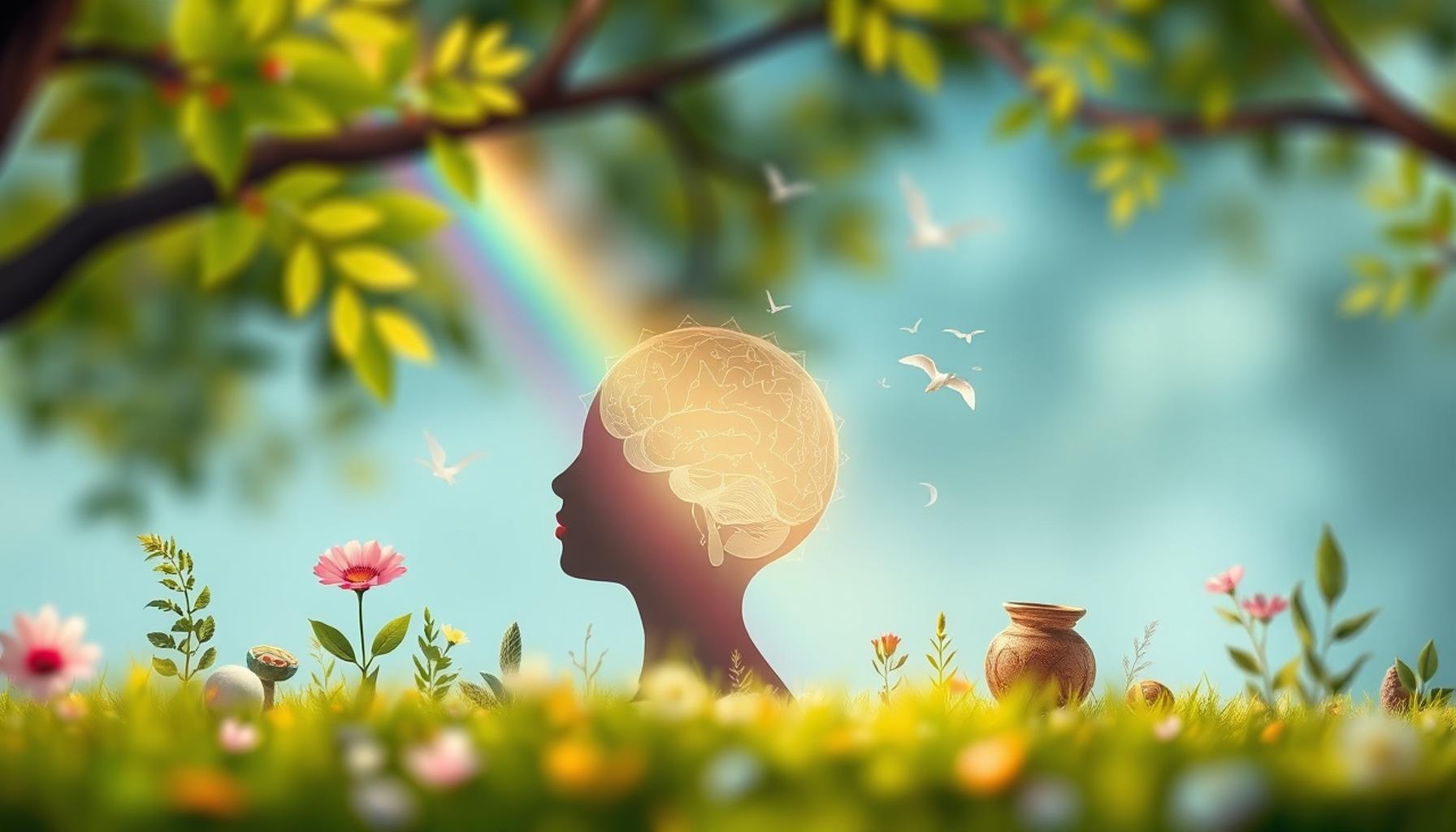
Connecting with Nature for Mental Well-Being
In the hustle and bustle of modern life, characterized by constant notifications and fast-paced routines, the importance of disconnecting from technology and reconnecting with the natural environment has come to the forefront of mental health discussions. Engaging with nature is now recognized not just as a leisurely activity but as an essential component for our psychological well-being. Numerous scientific studies have demonstrated that spending time outdoors can lead to significant improvements in mental health and emotional stability.
Consider the following benefits of spending time outdoors:
- Reduction of Stress: Nature can lower levels of cortisol, the stress hormone, which is known to contribute to various health issues. For instance, Japanese researchers found that even short walks in forested areas can significantly decrease stress levels, leading to a calmer state of mind.
- Enhanced Mood: Exposure to green spaces has been linked to lower rates of anxiety and depression. A landmark study from the University of Exeter in the UK revealed that individuals living near parks or green areas reported higher levels of happiness and well-being compared to those in urban settings with limited access to nature.
- Improved Focus: Natural environments can rejuvenate attention spans and cognitive function. Research indicates that time spent in nature can restore mental fatigue, making activities like hiking or simply sitting in a garden effective for enhancing concentration and creativity.
These points highlight the compelling reasons to integrate time in natural settings into our everyday lives. Imagine taking a stroll in a local park, hiking through a scenic trail in the Rockies, or spending a serene afternoon at the beach. Each of these activities not only provides physical exercise but also contributes positively to mental clarity and emotional stability. Engaging in nature-based activities like gardening or bird-watching can also serve as therapeutic outlets, inviting mindfulness and a chance to disconnect from daily stressors.
In light of recent studies, parks and green spaces are increasingly being recognized as essential components of urban planning. Cities such as New York and San Francisco have made strides in developing larger green spaces, understanding that a healthier populace is a happier and more productive one. Grassroots movements across the United States are advocating for the preservation of natural landscapes, emphasizing their role in community well-being.
As we delve into the multifaceted relationship between nature and mental health, we discover compelling evidence supporting the need for regular outdoor experiences. From exploring the science behind these benefits to practical applications in our daily lives, it becomes clear that fostering a connection with the environment can lead to a healthier, happier existence. With each step taken outside, we not only immerse ourselves in the beauty of our surroundings but also equip ourselves with tools to enhance our mental and emotional well-being.
The Therapeutic Power of Natural Environments
Understanding the connection between nature and mental health requires us to explore the profound effects that green spaces and natural surroundings have on our emotional states. Nature acts not only as a backdrop for our lives but also as a vital component in enhancing our overall well-being. Various studies underscore how interactions with different aspects of the natural world lead to positive mental health outcomes, making it an area ripe for exploration.
One of the most striking findings comes from a meta-analysis published in the Journal of Environmental Psychology, which concluded that natural experiences consistently result in improved emotional health. This research illuminates several key benefits of engaging with nature:
- Decreased Anxiety Levels: Being in nature can significantly lower feelings of anxiety. A study conducted by researchers at Stanford University indicated that individuals who walked in a natural setting reported lower levels of rumination, a primary contributor to anxiety disorders.
- Boosted Immune Function: Exposure to nature may not only calm the mind but also bolster physical health. In a notable study, participants who spent time in forested areas showed increased natural killer cell activity, which plays a critical role in immune response.
- Heightened Creativity: Engaging with nature can foster creative thinking. Research conducted by scientists at the University of Utah demonstrated that individuals who immersed themselves in nature for several days showed a 50% improvement in creative problem-solving abilities.
These findings illustrate a crucial nexus between environmental exposure and psychological benefits. Various forms of interaction with nature, whether through hiking, biking, or simply enjoying a tranquil moment in a garden, can lead to significant improvements in both mental clarity and emotional resilience. In an age where digital distractions dominate our lives, intentionally carving out time to connect with the great outdoors can be transformative.
Moreover, the concept of eco-therapy is gaining traction as mental health professionals recognize the therapeutic benefits derived from direct engagement with nature. This growing trend involves integrating nature into therapeutic practices, encouraging individuals to find solace and healing from psychological distress in natural settings. As cities across the United States invest in creating more accessible parks and recreational areas, a stronger emphasis on eco-therapy presents an opportunity to reduce societal mental health issues. The healing potential of parks, community gardens, and outdoor retreats fosters healthier environments for all.
With the mounting evidence linking nature to mental well-being, the call to action becomes clear: it is essential to incorporate nature into our daily routines. The simple act of stepping outside can evolve into a transformative journey, one that not only nurtures our mental health but also deepens our appreciation for the environment that supports us all. As we delve deeper into the myriad ways nature can enhance our lives, understanding its role becomes not just a personal benefit, but a collective imperative.
The Connection Between Nature and Mental Health
Research increasingly supports the connection between nature and mental health, underscoring its significant impact on well-being. Numerous studies have demonstrated that spending time in natural environments can lead to reduced levels of stress, anxiety, and depression. In urban settings, where green spaces are limited, individuals often experience heightened levels of psychological distress. However, even short visits to parks or nature reserves can provide crucial mental health benefits.
Nature therapy – a therapeutic approach incorporating natural elements – is gaining traction. This concept revolves around activities such as gardening or forest bathing which enhance both emotional well-being and psychological resilience. Additionally, engaging with the natural world can foster mindfulness, allowing individuals to immerse themselves in the present moment, reducing rumination around past events or future worries.
| Benefits of Nature | Aspects of Well-being |
|---|---|
| Stress Reduction | Natural settings lower cortisol levels and induce relaxation. |
| Enhanced Mood | Exposure to nature boosts serotonin levels, contributing to a positive emotional state. |
| Improved Focus | Nature increases attention span and cognitive function, aiding productivity. |
| Social Connection | Interacting in nature fosters community and strengthens social bonds. |
Incorporating a few hours a week outdoors in natural surroundings can be transformative. The benefits extend beyond mental health; improved physical health is also a significant outcome of consistent interaction with nature. Walking, hiking, or simply taking in the scenery improves cardiovascular health and encourages a more active lifestyle.
As urbanization rises, the need for accessible green spaces is becoming increasingly pressing. Policymakers and urban planners must prioritize incorporating nature into city designs to support public health. Investing in parks and green corridors not only enriches community aesthetics but also serves as an integral component of a healthy society. The invitation to reconnect with nature is not merely a recommendation but an essential aspect of fostering holistic well-being for all.
Nature as a Catalyst for Social Connections
Another vital facet of the connection between nature and mental health lies in its intrinsic ability to strengthen social relationships. Engaging in outdoor activities not only promotes individual mental well-being but also fosters opportunities for co-active experiences, essential for building social bonds and connections. The act of sharing nature with others—whether through group hikes, community gardening, or team sports—provides a platform for social interaction, which is critical for emotional health.
Research led by the University of Central Florida suggests that spending time in natural settings while engaging in group activities can enhance feelings of belonging and reduce loneliness. This is particularly relevant in today’s fast-paced, urbanized environments where many individuals experience isolation. For instance, the presence of local parks and recreational spaces encourages residents to gather, creating a sense of community and belonging, which can significantly affect their mental health positively.
Moreover, the phenomenon known as biophilia, the innate human affinity for nature, suggests that our connection with the natural environment can evoke strong emotional responses. Studies indicate that when individuals bond over shared experiences in natural settings, they often report enhanced levels of happiness and satisfaction. This reinforces the idea that nature can serve as a backdrop for not just individual rejuvenation but also for collective healing.
- Nature-Based Community Initiatives: Programs that integrate nature into community health initiatives have seen promising outcomes. For example, urban community gardens invite individuals to collaborate in a shared space, leading to enhanced social interactions and improved mental well-being among participants.
- Outdoor Group Therapy: Some therapists are now conducting sessions in natural environments, emphasizing the importance of the outdoors in therapeutic processes. This brings a fresh perspective to traditional therapy by using the outside world as a space for healing conversations.
- Mindfulness in Nature: Whether through guided meditation sessions under the canopy of trees or peaceful yoga on the beach, practices that combine mindfulness with nature have shown substantial benefits. Participants often find increased focus, reduced stress levels, and a deeper connection with their emotions.
In addition to enhancing social connections, nature serves as a crucial facilitator for personal introspection. The quiet and serene settings often allow for deeper self-reflection, which can lead to enhanced emotional clarity. A study by the University of Sussex revealed that individuals who engage in activities like walking in a natural environment report increased levels of positive emotions and a greater sense of purpose. These personal insights may directly correlate with reduced symptoms of anxiety and depression, showcasing the multifaceted benefits nature can provide.
Lastly, it is essential to consider the implications of access to nature in public health policy. Advocates argue for prioritizing green spaces in urban planning as these areas serve not just as aesthetic additions to a city but as vital components of community health infrastructure. By ensuring equitable access to nature, we can mitigate mental health issues across diverse populations, particularly among vulnerable groups who may suffer disproportionately from psychological distress.
The evidence supporting the beneficial effects of nature on mental health continues to grow, creating a compelling rationale for integrating outdoor experiences into our lives and those of our communities. Thus, fostering a culture that both values and actively seeks out these natural interactions could lead to profound improvements in collective mental well-being.
Embracing Nature for Mental Wellness
In conclusion, the connection between nature and mental health represents a profound and transformative avenue for enhancing well-being. As we have explored, contact with the environment not only fosters individual rejuvenation but also cultivates vital social connections that play a crucial role in emotional health. The research highlights that engaging in outdoor activities—whether through communal gardening, group hikes, or therapy sessions in natural settings—nurtures a sense of belonging while reducing feelings of isolation. This biophilic bond we share with nature encourages deeper introspection, allowing individuals to experience heightened emotional clarity and reduced anxiety.
Furthermore, the implications of prioritizing access to green spaces in our communities cannot be overstated. Urban planning that incorporates natural environments as integral components of public health infrastructure can significantly alleviate mental health disparities among diverse populations. By creating equitable access to these restorative spaces, we lay the groundwork for a healthier society where emotional well-being is supported by the natural world.
The compelling evidence supporting the mental health benefits of nature is a call to action for individuals and communities alike. As we strive to embrace a lifestyle that prioritizes outdoor experiences and reconnects us with the environment, we honor our innate affinity for nature. In doing so, we can pave the way for a culture that recognizes and harnesses the profound impact of nature on mental well-being, ultimately leading to a more balanced and healthier life.