The Influence of Craftsmanship Skills on Cultural Identity and Heritage Preservation in Creative Hobbies
Craftsmanship: A Bridge to Cultural Narratives
In a world increasingly driven by technology, the art of craftsmanship serves as a vibrant link to our past. Creative hobbies, infused with traditional skills, not only showcase individual talent but also embody rich cultural narratives. Understanding this connection reveals how these skills contribute to the preservation of cultural identity.
Craftsmanship represents more than mere functionality; it reflects deep-seated values and histories that shape communities. Through various crafts, artisans explore their heritage, allowing personal expression to intertwine with collective memory. For instance, indigenous tribes in the United States, such as the Navajo, maintain their cultural identity through the intricate craft of weaving. Navajo rugs, celebrated for their geometric designs and vibrant colors, are not just products but also reflections of spiritual beliefs and ancestral stories.
Key aspects of this relationship include:
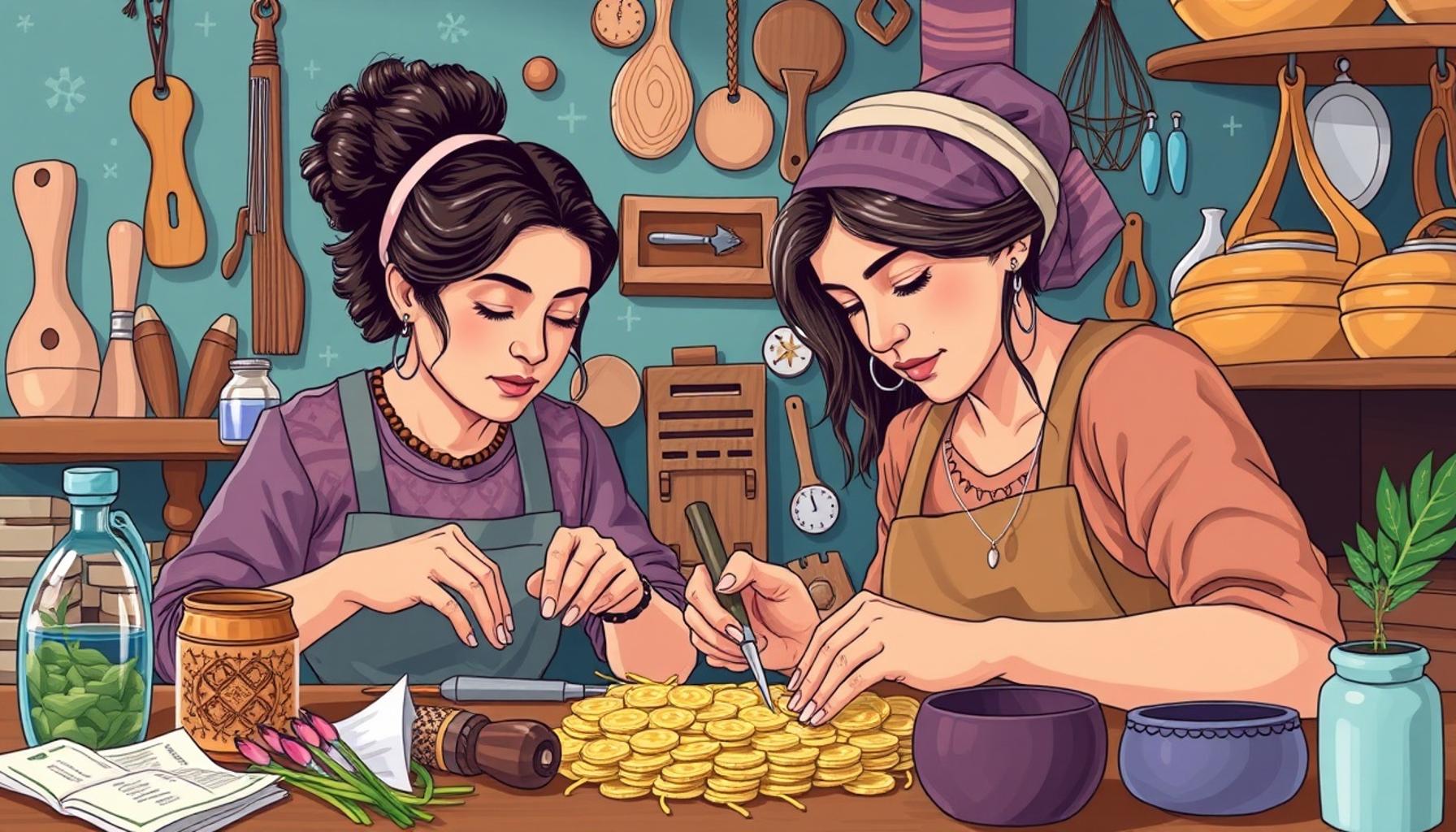
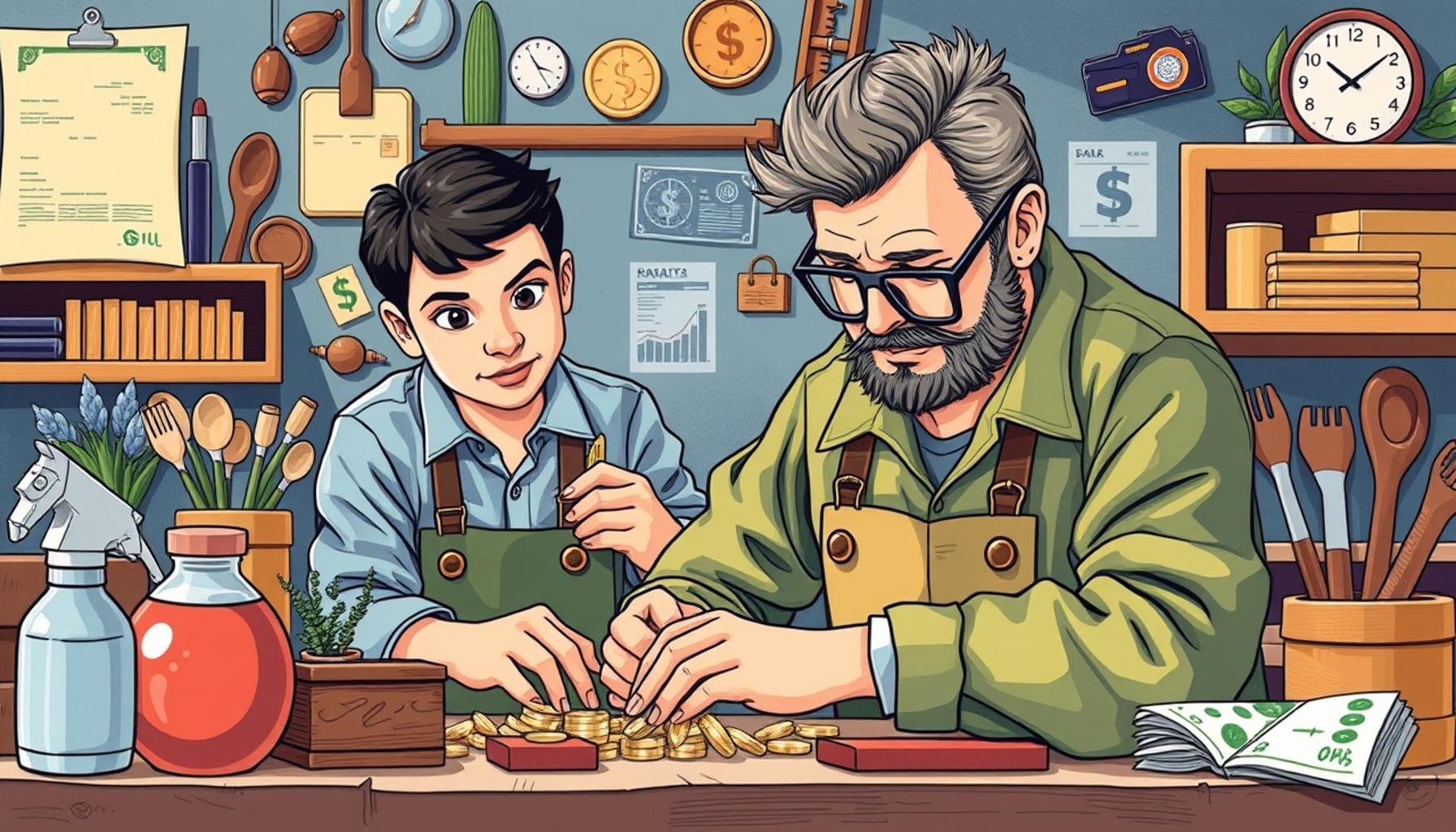
- Skill Development: Practicing crafts like woodworking, pottery, or weaving cultivates not just technical abilities but a sense of belonging. Learning a craft requires dedication, patience, and practice. For example, young artisans who apprentice under skilled woodworkers can gain invaluable knowledge about both tools and techniques while forging community ties, thus weaving themselves into the fabric of shared heritage.
- Community Engagement: Local artisans often gather to share techniques, fostering collaboration and mutual appreciation within communities. Craft fairs and workshops serve as venues for this exchange, where individuals from different backgrounds come together to learn and share. Such environments not only nurture new talents but also reinforce the notion of craftsmanship as a communal legacy.
- Heritage Preservation: The revival of traditional crafts can safeguard cultural legacies that might otherwise be lost in a globalized world. For example, organizations like the Southern Highland Craft Guild work to promote and preserve the traditional crafts of the Appalachian region, ensuring these skills are passed down through generations.
Moreover, the intersection of craftsmanship and identity resonates strongly in the United States. From Native American beadwork to Appalachian quilt-making, diverse traditions flourish, embodying the complex tapestry of American culture. Each craft tells a story of ancestry, resilience, and belonging, offering insight into the lives of the people who create them.
As we delve deeper, it becomes clear that pursuing creative hobbies rooted in skilled craftsmanship is vital to maintaining the pulse of our cultural heritage. By engaging in these activities, we not only connect with our past but also ensure that essential skills endure for future generations. The artistry found in craftsmanship serves as a powerful testament to the identity of communities and an invitation for others to appreciate and explore the multifaceted stories behind each crafted piece.
Unpacking the Skills Behind the Craft
At the heart of craftsmanship lies a set of skills that transcend mere technique; they are the cornerstone of cultural identity and heritage preservation. The rigorous pursuit of craftsmanship fosters not only the tangible output of creative hobbies, but also a deep connection to the past that helps sustain communal values. This process is integral to understanding how these skills allow individuals to explore their roots while passing down precious traditions.
Engaging in creative hobbies that prioritize craftsmanship leads to the development of a unique skill set that holds significant cultural weight. Artisan skills, such as glassblowing, pottery, or textile arts, require both practice and passion. For example, the art of basket weaving has a storied place in many Native American cultures; artisans meticulously weave materials like willow into intricate designs that are passed down over generations. Each basket serves as a testament to cultural narratives, encapsulating not only the craftsmanship involved, but also the story of the skills inherited from ancestors.
The multidimensional impact of craftsmanship can be encapsulated in several key components:
- Cultural Transmission: The teaching of traditional crafts often takes place in informal settings. Family gatherings or community workshops become venues for knowledge sharing, where skills are passed down to younger generations. This transmission is essential for sustaining cultural identities within communities. The richness of collective memory flows through these crafted objects, bridging the gap between past and present.
- Skill Interdisciplinary Exchange: Craftsmanship is seldom a solitary endeavor. The melding of various artistic techniques fosters innovation and collective creativity. For instance, in regions like the American Southwest, the fusion of Native American and contemporary art forms creates something uniquely American. This intertwining not only enriches individual expression but nurtures cultural dialogue, further solidifying one’s identity through crafted work.
- Identity Formation: Participating in craftsmanship allows individuals to introspectively connect with their heritage while forming their unique identities. Through purposeful creation, artisans engage their environment and channel their experiences into tangible works of art. Every crafted item carries personal significance, making it a fragment of the artist’s life story.
As we examine the significance of craftsmanship within the American context, it is clear that these skills encapsulate diverse cultural narratives. From the intricate beadwork of the Sioux tribe to the vibrant quilt patterns of African American communities in the South, each craft echoes the identity and history of its people. These artistic expressions seal eternal bonds to heritage and create a narrative that speaks to the resilience, creativity, and adaptability of cultures in the face of change.
Through the practice of craftsmanship skills, individuals not only contribute to the enrichment of their local culture but also connect to a broader American identity. By continuing to hone these skills, we safeguard the legacies of our cultures, ensuring that future generations inherit not just the tangible artifacts of our past, but also the stories that accompany them.
The Influence of Craftsmanship Skills on Cultural Identity and Heritage Preservation in Creative Hobbies
In today’s fast-paced digital world, the resurgence of craftsmanship skills serves as a vital link to cultural identity and heritage preservation. Engaging in creative hobbies such as traditional pottery, textile weaving, or wood carving not only nurtures an individual’s artistic expressiveness but also connects them to their roots. These activities echo the stories of generations past, allowing practitioners to weave their cultural narratives into tangible forms. Through the act of creating, artisans uphold the values, traditions, and customs that define their communities.
Moreover, workshops and community classes centered around these skills help foster a collective memory. As participants learn and share techniques, they strengthen social bonds and perpetuate their cultural significance. This relationship between craftsmanship and identity proves significant in multicultural societies, where embracing cultural diversity is essential. The act of preserving unique skills naturally leads to an increased appreciation for varied heritages and the artistic diversity they encompass.
Furthermore, initiatives encouraging young people to take up traditional crafts can invigorate interest and provoke a deeper understanding of ancestral backgrounds. Young artisans not only create beautiful functional pieces but also become stewards of their cultural narratives, ensuring that precious heritage is not lost to time. As these creative hobbies flourish, they compel us to reflect on our roots and appreciate the immense value that craftsmanship brings, not just to the individual, but to society as a whole.
| Advantages | Key Features |
|---|---|
| Cultural Connection | Enhances the ties between individuals and their cultural heritage. |
| Skill Development | Promotes personal growth and mastery of traditional techniques. |
| Community Building | Fosters collaboration and social engagement among diverse groups. |
The intersection of craftsmanship and culture signifies a rich tapestry woven by the hands of skilled artisans, beckoning all to explore and appreciate the artistic heritage that shapes our world. By embracing these creative hobbies, we contribute to the dynamic dialogue between the past and present, ensuring that traditional knowledge not only survives but thrives in our modern context.
Cultural Revival Through Craftsmanship
In recent years, there has been a noticeable resurgence of interest in traditional crafts, which not only serves as a means of personal expression but also functions as a powerful tool for cultural revival. This phenomenon can be seen across various communities in the United States, as individuals increasingly recognize the importance of preserving their cultural heritage. The modern movement toward artisan craftsmanship signals a collective yearning to reconnect with one’s roots and live out cultural narratives through creative outlets.
One noteworthy aspect of this resurgence in craftsmanship is its emphasis on sustainability and natural materials. Eco-conscious artisans often source materials locally, which connects them to their immediate environments and reflects the resourcefulness of their ancestors. For example, in the Pacific Northwest, indigenous communities are reviving traditional canoe-making techniques that utilize local cedar and other natural materials. This not only serves to preserve the ancient skills associated with canoe construction, but also fosters a strong sense of place, identity, and community connectivity.
Another significant contributor to the revitalization of craftsmanship is the increasing popularity of workshops, craft fairs, and online communities. Platforms such as Instagram and Etsy offer artisans a space to showcase their work, connect with others, and find their niche. Besides celebrating individual creativity, these spaces nurture cultural dialogue and raise awareness about the significance of different crafts. For example, artisans in the *Gullah* community of the coastal South are utilizing social media to share stories behind their traditional sweetgrass baskets, which encapsulate rich cultural memories and historical experiences. The widespread dissemination of knowledge not only preserves the crafts but cultivates a renewed appreciation among younger audiences.
Furthermore, educational institutions and community centers are prioritizing the revival of craftsmanship skills by incorporating traditional arts into their curricula. Programs that involve hands-on learning have gained traction as essential avenues for cultural education. Schools that host workshops in traditional crafts like quilting, weaving, or woodworking serve as invaluable resources, allowing students to explore their heritage practically. Such experiences foster an understanding of the importance of craftsmanship in cultural identity, as students learn to appreciate the intrinsic value of handcrafted items—the time, care, and dedication that each piece represents.
A key factor in understanding the influence of craftsmanship on cultural identity is its role in social cohesion. Craftsmanship often becomes a collective effort, where community members collaborate and engage in shared experiences. For instance, the tradition of pottery-making in New Mexico’s Pueblo communities often involves entire families in the creative process. The pottery becomes not merely a functional item, but a vessel for storytelling, community bonding, and a celebration of collective identities. These communal activities strengthen ties and create an enduring legacy rooted in shared craftsmanship.
As a result, we see how craftsmanship skills not only serve as a means of individual expression but also as a vital thread linking people to their broader cultural narratives. This mutual reinforcement of personal and communal identities underscores the transformative potential of engaging in creative hobbies. By fostering these skills, individuals play a critical role in ensuring that their cultural heritage is not only preserved but also richly reinterpreted, thriving amidst the modern world.
Conclusion
In exploring the profound influence of craftsmanship skills on cultural identity and heritage preservation, it becomes clear that these creative hobbies transcend mere artistic expression. They function as conduits for connecting individuals to their rich cultural narratives, fostering an appreciation for the traditions that shape communities. As we examined, the recent revivals in traditional crafts underscore a collective desire to engage with the past while adapting to contemporary realities.
The rise of eco-conscious artisans and sustainable practices not only enhances the craftsmanship but also serves to deepen our connection to local environments and ancestral wisdom. As communities embrace these traditions through workshops, social media, and educational programs, the cycle of cultural dissemination and renewal is strengthened. The communal aspect of craftsmanship cultivates social cohesion, creating shared experiences that further intertwine personal and collective identities.
Ultimately, engaging in craftsmanship is more than a pastime; it’s a commitment to preserving a legacy that colors our everyday lives. Through the lens of creative hobbies, individuals not only reclaim their heritage but also contribute to a broader cultural dialogue that resonates across generations. As we face an increasingly globalized world, the preservation of these artisanal skills will remain vital in connecting us to our histories, ensuring that they thrive and evolve within the fabric of modern society. The future of cultural identity relies not only on remembering our past but also on the purposeful crafting of our shared existence.
Related posts:
Sustainable Craftsmanship: Merging Eco-Friendly Practices with Creative Hobbies
Exploring the Therapeutic Benefits of Craftsmanship Skills in Stress Relief
Innovative Techniques in Craftsmanship: Blending Technology with Traditional Skills
Exploring Gender Dynamics in Craftsmanship: Who Crafts and Why?
The Role of Craftsmanship Skills in Building Community Through Creative Hobbies
Craftsmanship Skills as a Pathway to Mindfulness and Focus in Creative Hobbies

Beatriz Johnson is a seasoned creative enthusiast and writer with a passion for simplifying the intricacies of artistic hobbies and DIY projects. With over a decade of experience exploring various creative fields, she specializes in topics like crafting, painting, and innovative DIY techniques. Through her work, Beatriz inspires readers to unleash their creativity, try new artistic endeavors, and stay inspired in the ever-evolving world of creative hobbies.