Exploring Molecular Cuisine: The Art of Transforming Common Ingredients into Innovative Creations
Discovering the Unconventional
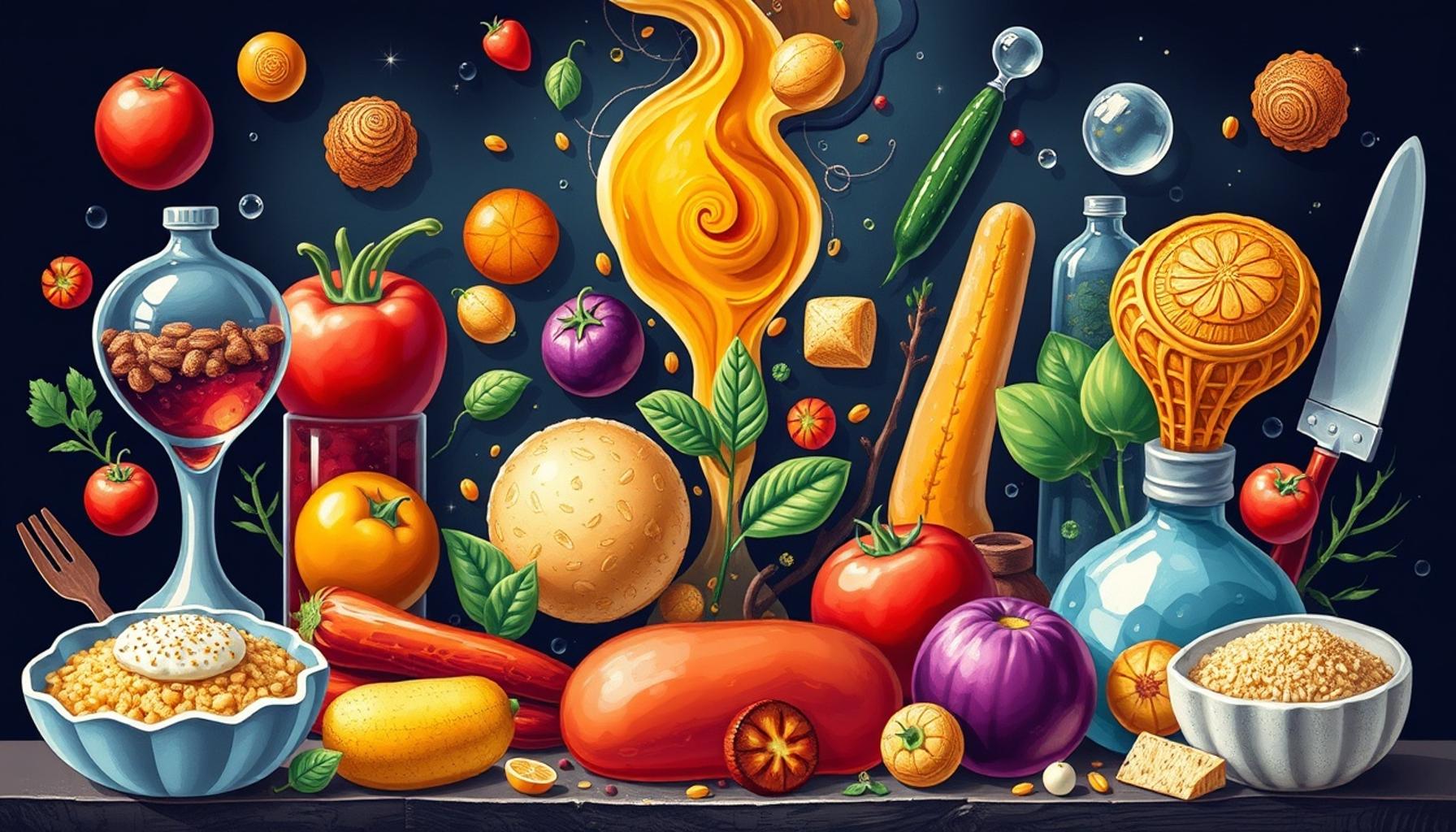
Molecular cuisine merges science and gastronomy, creating a culinary landscape unlike any other. This pioneering approach allows chefs to transform common ingredients into extraordinary dishes. By utilizing techniques previously reserved for laboratories, culinary artists can evoke sensory experiences that tantalize the taste buds. The result is a dynamic and innovative environment where the taste, texture, and presentation challenge our preconceived notions of food.
The Basics of Molecular Cuisine
At its core, molecular cuisine is all about the play of textures, flavors, and presentations. Key elements include:
- Textural Manipulation: This technique involves transforming liquids into pearls or foams, allowing diners to experience familiar flavors in surprising forms. For instance, a traditional balsamic vinegar can be turned into tiny spheres that burst in the mouth, delivering a concentrated burst of flavor that enhances a dish.
- Temperature Variations: Serving dishes at contrasting temperatures can create an engaging dining experience. Imagine a plate of warm chocolate fondant complemented by cold ice cream; the juxtaposition heightens both the flavor and sensory enjoyment.
- Flavor Pairing: Molecular cuisine often embraces unexpected combinations. Pairing sweet with savory or incorporating ingredients like bacon-infused caramel can create a symphony of flavors that excite the palate and expand culinary boundaries.
This innovative cuisine often challenges traditional cooking methods, inviting chefs and food enthusiasts alike to reconsider their understanding of what a meal can be. Techniques such as spherification, sous-vide cooking, and gelatin manipulation allow creative chefs to explore new depths of texture and flavor. For example, using sous-vide cooking, chefs can perfectly cook meats to achieve a level of tenderness that is difficult to replicate with conventional methods. This precision not only elevates the dish but also encourages the use of locally sourced ingredients to highlight their true potential.
Your Invitation to Explore
Embark on a journey into the captivating world of molecular cuisine. Whether you are a seasoned chef or a curious home cook, this exploration promises to ignite your creativity in the kitchen. With resources readily available online and kits designed for amateur cooks, you can experiment with these techniques at home. Imagine inviting friends over for a dinner party featuring dishes like smoke-infused cocktails or deconstructed desserts that provoke conversation and wonder.
Prepare to elevate your culinary skills and delight in the art of transforming ordinary ingredients into extraordinary culinary masterpieces. Dive deeper into the world of molecular cuisine and discover how everyday meals can become an adventure in taste, while fostering a greater appreciation for the science behind what we eat. This exciting journey will not only expand your cooking repertoire but also enhance your understanding of food as a form of artistic expression.
DIVE DEEPER: Click here to uncover the science of flavor
The Science Behind the Transformation
Molecular cuisine is not just a trend; it is a transformation of the culinary arts that invites chefs to creatively delve into the science of food. By applying techniques grounded in chemistry and physics, chefs can manipulate the structure of ingredients at a molecular level, subsequently altering how they are experienced by the diner. This scientific approach can capture the imagination while pushing the boundaries of culinary creativity.
One of the keystone principles of molecular cuisine involves an understanding of gelification, emulsification, and foaming. These techniques are crucial for creating complex textures that tantalize the palate. Here’s a closer look at several fundamental techniques:
- Spherification: This technique, pioneered by chefs like Ferran Adrià, involves creating spheres that burst with flavor when bitten. By using a combination of sodium alginate and calcium chloride, common liquids like fruit juices or sauces can be transformed into gelatinous pearls that add an unexpected element to dishes.
- Foaming: Foams can infuse a dish with flavors while adding an elegant touch to presentations. Using lecithin or other stabilizers, chefs can whip up light and airy foams that elevate textures, making them a perfect complement to rich components like chocolate or savory broths.
- Sous-vide Cooking: This precise cooking technique, which involves sealing food in a vacuum-sealed bag and cooking it slowly in a water bath at controlled temperatures, preserves moisture and enhances flavors. As a result, proteins retain their natural juices and achieve tenderness that conventional cooking methods often overlook.
- Deconstruction: Molecular cuisine encourages chefs to take familiar dishes apart and present them in novel ways. For example, a traditional Caprese salad can be deconstructed into separate elements: mozzarella spheres, basil foam, and heirloom tomato gel, presenting a playful twist on a classic.
As chefs embrace these scientific methods, they challenge diners’ expectations, creating immersive dining experiences that engage multiple senses. The beauty of molecular cuisine lies in its ability to recreate familiar flavors while presenting them in entirely new forms. Consider the example of smoked chocolate mousse, where traditional dessert makes use of savory elements and surprising textures to create a narrative on the plate.
The experimental nature of molecular cuisine also invites an intersection with local and seasonal ingredients, fostering a farm-to-table philosophy that highlights the nuances of what’s available. Crafting dishes that are not only innovative but also sustainable adds another layer of significance to this culinary art form. Chefs can source ingredients from local farmers’ markets, transforming homegrown produce into culinary spectacles that celebrate both creativity and responsibility.
In a world where food choices can be overwhelming, molecular cuisine represents a turn towards innovation, where creativity meets scientific inquiry. The combination of unexpected flavors, striking presentations, and engaging experiences creates a narrative where the meal becomes part of a larger story, inviting diners to explore beyond the plate. As we continue to unravel the layers of molecular cuisine, we discover endless possibilities in transforming common ingredients into extraordinary creations.
| Category | Key Features |
|---|---|
| Texture Modification | Transforming the mouthfeel of dishes through techniques like spherification and gelification. |
| Flavor Enhancement | Innovative use of sous-vide and flavor pairing to amplify taste in unexpected ways. |
Exploring molecular cuisine allows chefs to delve into a culinary world that pushes the boundaries of traditional cooking. By employing scientific techniques, chefs can manipulate ingredients at the molecular level, creating dishes that not only taste extraordinary but also provide a unique dining experience. Texture modification techniques, such as spherification and gelification, enhance dishes by creating surprising contrasts. Imagine a perfectly spherical burst of fruit juice that explodes in your mouth, providing an unexpected twist to a dish you thought you knew!Additionally, flavor enhancement through sous-vide cooking ensures that every component of a dish is infused with robust flavor, while innovative flavor pairing introduces diners to unlikely combinations that tantalize their taste buds. This artistic expression transforms common ingredients into culinary masterpieces that spark curiosity and drive a desire for exploration among food enthusiasts. The art of molecular cuisine is continually evolving, offering limitless possibilities for flavor exploration and ingredient transformation. As chefs embrace this avant-garde style, they challenge traditional perceptions of food and invite diners to experience the magic of culinary innovation.
DISCOVER MORE: Click here to learn about the benefits of musical training
The Impact of Flavor Pairing and Sensory Engagement
Aside from the technical manipulation of ingredients, molecular cuisine also emphasizes the importance of flavor pairing. This culinary concept, grounded in the idea that certain flavors naturally complement each other, allows chefs to craft innovative dishes that challenge traditional taste boundaries. Using analytical tools like gas chromatography, chefs can identify volatile flavor compounds that pair surprisingly well. For instance, the combination of sweet strawberries and the savory depth of basil creates a flavor dynamic that excites the palate, demonstrating just how profoundly molecular cuisine can shift our understanding of familiar flavor profiles.
This science of flavor pairing is also evident in the work of some modernist chefs who experiment with infusions and reductions to further enhance their dishes. By deconstructing classic recipes and reimagining them through molecular lenses, they create palettes of taste that are both novel and recognizable. An excellent illustration of this practice is the combination of black garlic and pork belly, where the caramelized sweetness of the garlic beautifully complements the richness of the pork, resulting in a dish that is hearty yet sophisticated.
Moreover, sensory engagement plays a crucial role in molecular cuisine, crafting dining experiences that appeal to not just taste, but also sight, touch, and even sound. Techniques such as powdering and smoking add layers of sensory stimulation. For instance, chefs often use liquid nitrogen to freeze ingredients instantaneously, creating a visual spectacle as they shatter upon contact with a dish. This not only enhances the dining experience but also continually surprises patrons, offering a sense of theater that transforms a mere meal into a memorable event.
One popular example of sensory engagement occurs in restaurants that serve edible cocktails. By employing gels, foams, or even lollipops infused with popular mixed drinks, enjoyers can taste their favorite cocktails in an entirely new format. This ingenious approach serves to redefine expectations of traditional beverages, pulling diners into an exploration of taste that engages all their senses.
- Potato Chips with Truffle Foam: A simple and familiar snack transformed into an elevated gourmet experience.
- Tomato Water: Capturing the essence of fresh tomatoes, offering a light and flavorful broth that acts as a base for other elements.
- Cucumber Caviar: Utilizing spherification, this playful dish combines the refreshing flavor of cucumber with a stunning visual presentation.
In the realm of molecular cuisine, presentation is just as important as flavor. Chefs often use techniques like gelee or natural pigments to construct visually arresting plates. For example, using beet juice to create vibrant gels or kolor to elicit various hues allows for stunning contrasts against meats, vegetables, and other components. This attention to specificity in visuals not only highlights the molecular processes at play but enhances the diner’s experience, leading to more profound enjoyment of the meal.
These elements highlight how molecular cuisine is not merely about novel techniques; it invites diners into an exploration of culinary artistry that tantalizes the senses. As chefs continue to push boundaries, they create opportunity for guests to engage with creativity, science, and flavor in unprecedented ways, expanding the narrative of gastronomic experiences.
DISCOVER MORE: Click here to learn how craftsmanship strengthens community bonds
Conclusion: The Future of Culinary Innovation
As we delve into the realm of molecular cuisine, it becomes evident that this culinary art form is reshaping the gastronomic landscape. Through the innovative transformation of common ingredients into extraordinary dishes, chefs are not only tantalizing palates but also engaging all senses in a holistic dining experience. By leveraging scientific principles and creative exploration, molecular cuisine pushes the boundaries of traditional cooking and challenges our perception of flavors and textures.
The integration of flavor pairing and sensory engagement exemplifies how this movement invites diners to explore food like never before. Popular techniques such as spherification, foaming, and smoking allow chefs to rethink familiar elements, presenting them in ways that excite curiosity and ignite conversation. Dishes like cucumber caviar and tomato water illustrate the possibilities of combining science with art, creating culinary narratives that invite us to experience food in multi-faceted ways.
As more restaurants across the United States embrace this innovative approach, the future of molecular cuisine looks promising. It encourages chefs to experiment, adapt, and share their creations with an ever-curious audience, paving the way for culinary advancement. For diners, engaging with molecular cuisine offers a chance to bridge the gap between everyday meals and extraordinary culinary experiences. With each dish served, we are not simply consuming food; we are participating in a dynamic exploration of culture, science, and artistry. The journey into molecular cuisine is just beginning—dare to partake and expand your own gastronomic horizons.
Related posts:
The Sensory Experience in the Kitchen: Exploring Textures and Flavors in Creative Recipes
Molecular Gastronomy: Exploring the Science Behind Innovative and Surprising Dishes
Culinary Challenges: Experimenting with Unusual Ingredients in Classic Dishes
Sustainable Cuisine: Recipes that Respect the Environment and Promote Waste Reduction
The Art of Presentation: Transforming Dishes into Works of Art with Plating Techniques
Drone Kitchen: Innovations in Dish Preparation with Technology

Beatriz Johnson is a seasoned creative enthusiast and writer with a passion for simplifying the intricacies of artistic hobbies and DIY projects. With over a decade of experience exploring various creative fields, she specializes in topics like crafting, painting, and innovative DIY techniques. Through her work, Beatriz inspires readers to unleash their creativity, try new artistic endeavors, and stay inspired in the ever-evolving world of creative hobbies.