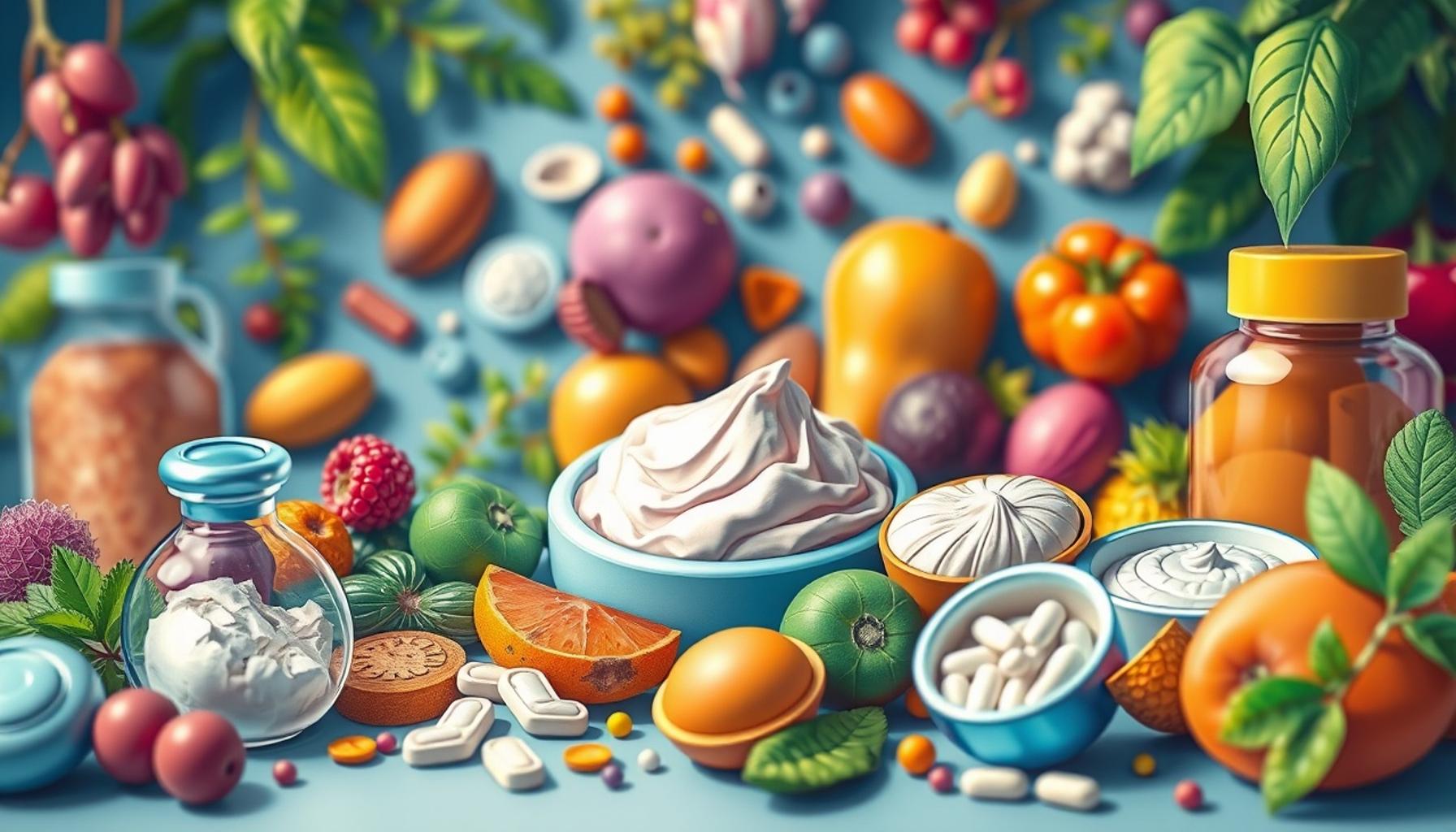
The Impact of Diet on Skin Health: How Nutrition Affects Aging

The Link Between Nutrition and Skin Health: A Deeper Dive
The food we consume impacts various aspects of our health, and skin health is no exception. Beyond being a barrier and a protective layer, the skin reflects the nutrients we provide our bodies. Diet significantly influences skin appearance, texture, and aging. As modern wellness movements gain momentum, understanding the connection between nutrition and skin health is becoming increasingly crucial.
Essential Dietary Components for Radiant Skin
Various components in our diet have been linked to improved skin health, and incorporating them can yield significant benefits. For instance:
- Antioxidants: These crucial compounds combat oxidative stress caused by environmental factors like pollution and UV exposure. Sources rich in antioxidants include vibrant fruits and vegetables, such as blueberries, kale, and sweet potatoes. Studies indicate that diets high in antioxidants might contribute to a reduction in signs of aging, promoting a youthful appearance.
- Healthy fats: Omega-3 fatty acids play a pivotal role in maintaining skin integrity. Found in fatty fish such as salmon and sardines, as well as in walnuts and flaxseeds, these fats help to keep the skin hydrated by forming a protective barrier. This barrier capability not only emphasizes a supple texture but also aids in the reduction of inflammatory skin conditions.
- Vitamins: Key vitamins such as Vitamin C and Vitamin E contribute significantly to skin health. Vitamin C is essential for collagen synthesis, which is critical for skin elasticity and firmness. On the other hand, Vitamin E works as a potent protector against UV damage from sun exposure, vital for those living in sunny regions such as California or Florida, where prolonged sun exposure increases the risk of skin damage.
The Importance of a Nutrient-Rich Diet
As the body ages, its natural repair mechanisms slow down, which makes it all the more important to supply it with the nutrients that foster skin vitality. A diet rich in whole foods and low in processed ingredients can potentially decelerate the visible signs of aging. For instance, incorporating whole grains, lean proteins, and colorful fruits and vegetables can provide a myriad of nutrients that support the skin’s health.
Foods to Avoid for Better Skin Health
While certain foods promote skin health, others can have adverse effects. For example:
- Sugary snacks: High sugar intake can lead to glycation, a process where sugar molecules bind to proteins in the skin, potentially accelerating aging and causing a dull appearance. Opting for natural sweeteners or fruits can be a healthier choice.
- Processed foods: Often laden with unhealthy trans fats, these foods can diminish skin elasticity and contribute to skin problems such as acne. Eating fresh, unprocessed foods can prevent these negative outcomes.
- Dehydration: Drinking insufficient water can lead to dry and lackluster skin. Hydration is essential; thus, it’s suggested to consume an adequate amount of water daily—approximately eight 8-ounce glasses, or more depending on individual activity levels and environment.
By making simple adjustments to one’s diet and prioritizing skin-friendly nutrients, individuals may find a pathway to not only achieving a youthful glow but also significantly enhancing their skin’s overall vitality. Exploring new food options, such as incorporating avocado in salads or enjoying a fruit smoothie brimming with antioxidants, can lead to beneficial changes worth investigating further.
DISCOVER MORE: Click here to delve into the trend
Unlocking the Secrets of Diet: How Food Choices Influence Skin Longevity
As we navigate through life, the quest for youthful, radiant skin often leads us to a myriad of skincare products and routines. However, a significant yet sometimes overlooked factor in achieving healthy skin lies within the food we eat. Our diet not only nourishes our body but also serves as a fundamental element in maintaining skin vitality and delaying the aging process. The skin, being the largest organ, is the first to exhibit the signs of nutritional deficiencies, making it imperative to choose wisely when it comes to meals.
A Closer Look at Key Nutrients for Skin Health
To fully appreciate how nutrition affects aging, it’s essential to understand the specific nutrients that play a pivotal role in skin health. Here’s a breakdown of some of the key dietary components:
- Collagen Boosters: Collagen is a protein that provides structure to the skin. To bolster collagen production, include foods rich in amino acids and vitamins such as glycine and proline. Sources such as chicken, fish, eggs, and leafy greens can enhance your skin’s firmness and elasticity.
- Hydration Heroes: Staying hydrated is critical for maintaining skin suppleness. Foods with high water content, such as cucumbers, watermelon, and oranges, not only contribute to your daily fluid intake but also help combat dryness and enhance a fresh complexion.
- Anti-Inflammatory Foods: Chronic inflammation can lead to premature aging signs. Incorporating foods like turmeric, green tea, and ginger, known for their anti-inflammatory properties, can help mitigate skin conditions and improve overall skin texture.
The Role of Gut Health in Skin Appearance
Interestingly, the gut-skin connection is becoming increasingly identified as a key factor in skin health. A healthy gut microbiome can have profound effects on the skin, leading to reduced acne, rosacea, and eczema flare-ups. Probiotic-rich foods such as yogurt, kefir, and fermented vegetables can support gut health, thereby promoting clearer, more vibrant skin.
Moreover, a recent study published in the Journal of Investigative Dermatology found that individuals with a well-balanced gut microbiome often exhibit smoother skin with fewer signs of aging. The findings suggest that what we consume directly affects not only our digestive system but also our skin’s appearance.
Common Dietary Pitfalls
While understanding what to include in your diet is crucial, recognizing harmful food choices is equally important. Some dietary habits that can negatively impact your skin include:
- Excessive Alcohol Consumption: Alcohol can dehydrate the skin, leading to a dull complexion and exacerbating issues such as rosacea.
- High Sodium Intake: Processed foods rich in sodium can cause bloating and puffiness, detracting from a youthful appearance. Reducing salt intake can make a noticeable difference in skin elasticity.
- Refined Carbohydrates: Foods that are high in refined sugars can trigger insulin spikes, which may exacerbate acne and lead to premature aging.
Shifting focus to healthier alternatives in our diet opens doors to not only a more vibrant complexion but also a holistic sense of well-being. As we become more aware of the impact of our food choices, we are better equipped to make informed decisions that celebrate both taste and health.
| Nutrient | Impact on Skin Health |
|---|---|
| Omega-3 Fatty Acids | Promote skin hydration and reduce inflammation, thus combating signs of aging. |
| Antioxidants | Help to protect skin cells from oxidative damage caused by free radicals, improving overall skin appearance. |
| Vitamins C and E | Essential for collagen production and skin elasticity, thus reducing wrinkles. |
| Hydration | Adequate water intake maintains skin moisture and elasticity, vital for a youthful appearance. |
The nutrients listed above are just the beginning of understanding how diet impacts skin health. Increases in the intake of omega-3 fatty acids, commonly found in fish and nuts, not only support hydration but may also mitigate inflammatory conditions prevalent in aging skin. Similarly, embracing a diet rich in antioxidants—such as berries, leafy greens, and nuts—seems to present a protective shield, defending skin cells from oxidative stress tied to environmental exposures and aging.Moreover, vitamins C and E play crucial roles beyond aesthetics; they foster collagen production and skin repair mechanisms, essential for counteracting age-related decline. Lastly, hydration is often overlooked yet is a fundamental cornerstone that nurtures skin resilience.The interconnection between nutrition and aging is far-reaching, opening avenues for future exploration into holistic health strategies that integrate dietary choices with skincare routines. As ongoing studies reveal more about this dynamic relationship, readers are encouraged to rethink their diets not just for overall health but for long-lasting, youthful skin.
DIVE DEEPER: Click here to discover the evolution of natural makeup
Nourishing the Skin from Within: How Dietary Practices Shape Our Complexion
Understanding the relationship between diet and skin health extends beyond mere nutrient consumption. It’s increasingly evident that what we eat can significantly impact skin aging and its overall appearance. Beyond the staples of fruits, vegetables, and lean proteins, emerging research highlights the importance of holistic dietary practices. A diet rich in diversity, color, and natural foods can lead to noticeable improvements in skin vitality.
The Power of Antioxidants in the Fight Against Aging
Antioxidants play a crucial role in combating oxidative stress—a major contributor to skin aging. Free radicals, unstable molecules produced by environmental factors like UV exposure, pollution, and even stress, can cause cellular damage. Incorporating antioxidant-rich foods into your diet acts as a frontline defense against this damage.
Foods abundant in vitamins A, C, and E, such as berries, citrus, nuts, and sweet potatoes, not only protect the skin but also promote the regeneration of cells. In fact, a diet high in antioxidants has been linked to a decrease in wrinkle formation and improved skin texture. A study published in the American Journal of Clinical Nutrition contended that participants who consumed diets rich in these nutrients experienced a lower prevalence of aging signs and exhibited improved elasticity in their skin.
Essential Fatty Acids: The Building Blocks of Plump Skin
Essential fatty acids (EFAs), particularly omega-3 and omega-6, are pivotal for maintaining skin hydration and barrier function. These fats help to lock in moisture, contributing to a supple and youthful appearance. Fatty fish, such as salmon and mackerel, alongside plant-based sources like flaxseeds and walnuts, are excellent choices for ensuring adequate intake of these vital nutrients.
Moreover, studies have indicated that a diet rich in omega-3 fatty acids can alleviate inflammatory skin conditions, such as acne and psoriasis. A diet that includes a balance of EFAs can thus reduce the appearance of blemishes, redness, and irritation, leading to a clearer complexion.
Meal Patterns that Promote Healthy Skin
It’s not only the types of food consumed that matter but also the overall meal patterns. Research suggests that irregular eating patterns, such as skipping breakfast or eating heavily late at night, can wreak havoc on skin health. The body thrives on balance and consistency, making regular meals critical for optimal skin function.
Adopting Mediterranean dietary patterns, characterized by whole foods, healthy fats, and plenty of fruits and vegetables, has been positively associated with skin health. Not only does this approach provide essential nutrients, but it also avoids processed foods that can lead to inflammation and oxidative stress.
- Mindful Eating: Practicing mindful eating can lead to better digestion and nutrient absorption, crucial for skin health.
- Plant-Based Benefits: Incorporating more plant-based meals into your diet can greatly enhance your intake of phytochemicals, which have skin-protecting properties.
- Balanced Nutrition: Focusing on a balanced plate, including proteins, carbs, and healthy fats at each meal can ensure that your skin receives a constant supply of essential nutrients.
As we delve deeper into the nexus between diet and skin health, it becomes evident that embracing a comprehensive approach centered on nutrition can yield profound benefits for maintaining youthful skin. Exploring fresh ingredients, preparing nourishing meals, and understanding the impact of food on our skin opens up new avenues for a vibrant complexion, ultimately leading to increased confidence and well-being.
DISCOVER MORE: Click here for tips on managing stress for healthier skin
Conclusion: Embracing Nutritional Solutions for Vibrant Skin
In conclusion, the intricate relationship between diet and skin health underscores the significant role nutrition plays in mitigating the effects of aging. From antioxidant-rich foods that combat oxidative stress to essential fatty acids that enhance skin hydration, it becomes clear that our dietary choices can profoundly influence our skin’s vitality.
As modern research continues to illuminate the complex interplay between nutrition and skin health, it offers a compelling call to action: making informed dietary decisions can serve as a natural avenue for maintaining youthful skin. Adopting balanced meal patterns and prioritizing whole, nutrient-dense foods not only nourishes our bodies but also helps combat the visible signs of aging. The Mediterranean diet, with its emphasis on a variety of natural ingredients, presents a practical framework for those seeking radiant skin.
Moreover, embracing mindful eating habits and incorporating diverse, plant-based meals into our diets can enrich our skin’s resilience against environmental stressors. Recognizing that a radiant complexion starts from within encourages us to explore the power of food, benefiting not just our appearance but our overall well-being.
As you embark on this journey of dietary exploration, remember that each meal is an opportunity to champion your skin health. Through understanding and action, you can harness the impact of nutrition on aging, leading to a healthier, more vibrant complexion that reflects your commitment to wellness.